Lebanon Strikes Kill 17 as Ceasefire Push Stalls
Israeli strikes killed at least 17 people in Lebanon, including children near Beirut, as ceasefire talks raised hopes for a 60-day pause.
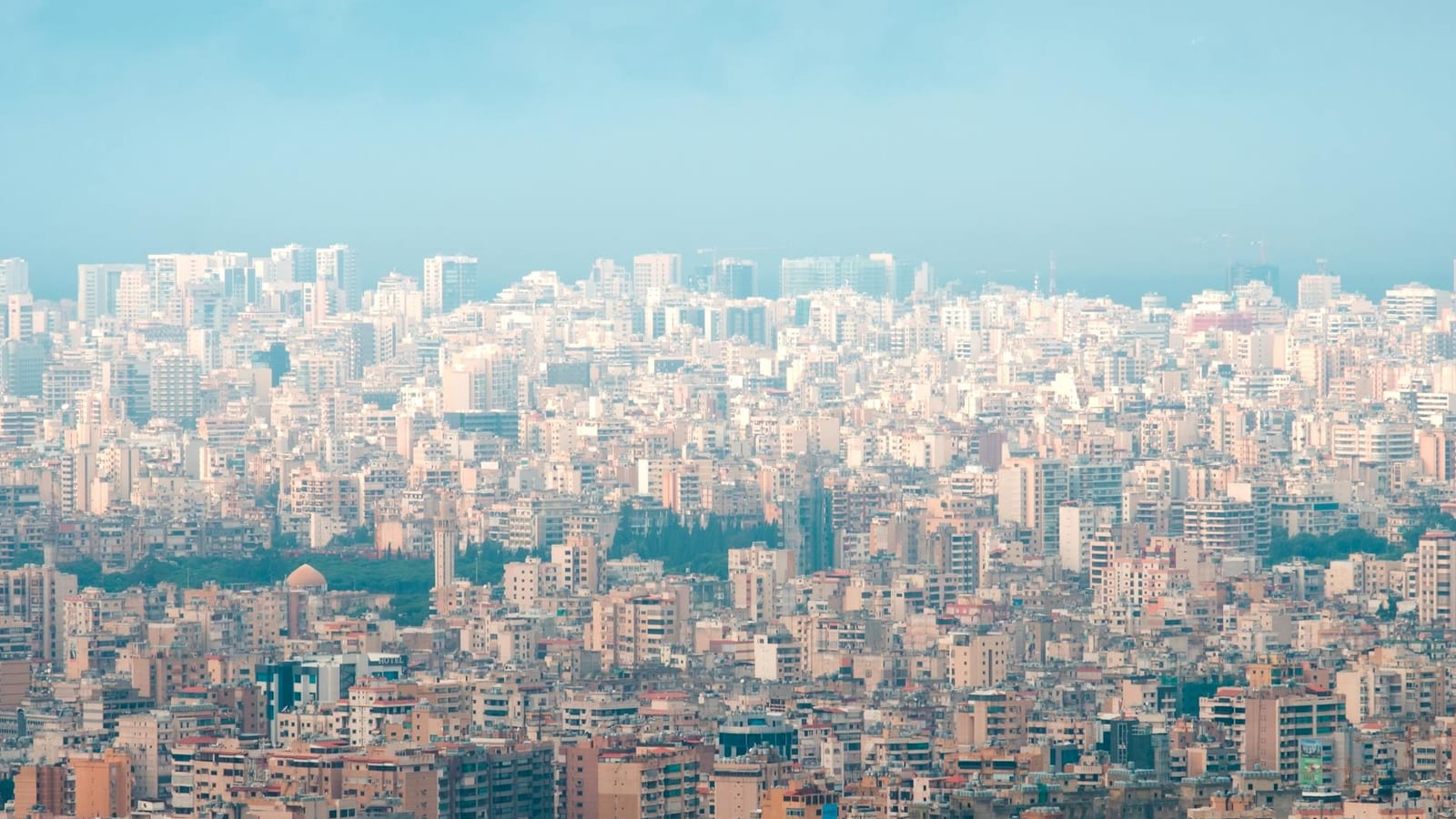
A woman and two children died near Beirut while diplomats talked about ceasefire paperwork.
That is the cruel rhythm of the Middle East right now. One table discusses a 60-day pause. Another screen shows smoke rising over Lebanon.
For India, this is not distant noise. When the Gulf burns, oil traders notice. Shipping firms notice. So do families watching petrol, diesel, flights, and inflation.
Lebanon absorbs another hard day
Israel struck several areas of southern Lebanon on Thursday, Lebanese authorities said. The death toll reached at least 17.
The Lebanese health ministry said one strike hit Choueifat, near Beirut’s southern suburbs. It killed a woman, her young daughter, and a Syrian child. Fifteen others were injured, including children and women.
The Israeli military said it had carried out a targeted strike in the capital area. It did not give fuller details in the immediate account.
Further south, Lebanon’s civil defence reported strikes in and around Tyre. That ancient port city had received evacuation orders before the bombing.
For civilians, these orders are not clean instructions on a map. They mean leaving homes, medicines, schoolbooks, shop shutters, documents, and sometimes elderly relatives behind.
UN peacekeepers warn of escalation
UNIFIL, the United Nations peacekeeping force in Lebanon, warned that tensions had sharply risen in recent days.
Its spokesperson Kandice Ardiel said about 670 projectiles were fired on Wednesday. She called it the highest level since April 17.
That number matters because it shows the fighting has moved beyond brief exchanges. It now looks like a grinding campaign across a wider belt of territory.
Israel has said it wants to push Hezbollah away from the border. It argues that it has a right to defend its citizens from cross-border attacks.
Hezbollah, backed by Iran, remains deeply embedded in southern Lebanon’s politics and security landscape. That makes any military push messy, dangerous, and very hard to contain.
Lebanon and Israel were expected to hold a military meeting in Washington on Friday. More talks were planned for June 2 and 3.
But diplomacy feels fragile when bombs are still falling. In conflicts like this, talks often begin before guns fall silent. That does not mean peace has arrived.
Washington tests an Iran opening
The wider story is not only Lebanon. It is also Iran, the Gulf, and the nuclear question.
US Treasury Secretary Scott Bessent said Washington may have the outline of an agreement with Iran. He sounded careful, not triumphant.
Bessent said teams had exchanged several messages. He said President Donald Trump had red lines. Iran must give up its enriched uranium stockpile, avoid nuclear weapons, and keep the Strait of Hormuz open.
That last point should catch every Indian reader’s eye. The Strait of Hormuz is a narrow sea passage through which a huge share of Gulf energy moves.
If ships slow down there, insurance costs rise. If insurers panic, freight rates climb. If oil jumps, India pays.
This is why a naval standoff in that strip of water can quickly reach an Indian household budget. The link runs from tankers to refineries to pump prices.
US officials have described a possible 60-day understanding. It would extend the current ceasefire and open talks on Iran’s nuclear programme.
Iranian-linked accounts pushed back, saying no final text had been agreed. That denial matters. In West Asia, draft deals often die between announcement and signature.
The reported framework would lift a US naval blockade if commercial shipping resumes. Washington would also discuss sanctions relief and frozen Iranian funds during negotiations.
It may also allow humanitarian goods and aid to reach Iran again. For ordinary Iranians, that could mean easier access to essentials.
For global markets, it would mean something else. Traders would start pricing in less risk, at least for a few weeks.
Oman caught in the middle
The strangest diplomatic turn came around Oman, a quiet Gulf player that often helps rivals talk.
Bessent warned that Oman could face sanctions if it cooperated with Tehran over any payment system in the Strait of Hormuz.
He later said he had spoken to Oman’s ambassador. According to him, the ambassador assured Washington that no toll system was being planned.
Trump had earlier used harsh language against Oman during a cabinet meeting. The State Department later reposted those remarks, which added to the confusion.
Oman has long kept channels open with both Washington and Tehran. That is exactly why it matters. When tempers rise, Muscat often becomes the room where messages pass.
Threatening Oman may satisfy a tough public line. But it also risks damaging one of the few bridges left in the Gulf.
The US Treasury has already sanctioned a new Iranian agency created to collect navigation fees in the strait. It also warned firms and institutions against paying Iran for passage.
For India, this creates a familiar problem. New Delhi wants stable energy, open sea lanes, and freedom to deal with all sides.
That becomes harder when the US turns financial sanctions into a weapon across the shipping chain.
Why India cannot look away
India does not need to take sides in every West Asian quarrel. But it cannot ignore the consequences.
Millions of Indians work across the Gulf. Their salaries support families from Kerala to Uttar Pradesh. Any regional shock makes their lives less predictable.
Indian companies also depend on predictable energy prices. Airlines, truckers, fertiliser makers, chemical firms, and small manufacturers all feel the pinch.
A kirana store owner may never discuss Hormuz. But higher transport costs still reach the shop shelf.
There is also the diplomatic test. India has relations with Israel, Iran, Gulf monarchies, and the United States. That gives New Delhi room, but also pressure.
When one crisis links Lebanon, Iran, Oman, and Washington, neat diplomacy becomes difficult. Every statement carries a cost.
The UN’s decision to add Israeli and Russian security forces to its conflict-related sexual violence blacklist has opened another front. Israel rejected the move and suspended ties with the UN secretary general.
That fight will deepen mistrust between Israel and UN institutions. It may also weaken the space for neutral humanitarian access, which civilians badly need.
France, meanwhile, said it wants to freeze and cancel billions of euros in state spending to offset the cost of the Middle East war. That is a reminder that wars travel through budgets too.
The immediate grief sits in Lebanon, among families counting the dead. But the aftershocks move through ports, fuel markets, migrant corridors, and diplomatic cables.
For Indian readers, the lesson is simple. West Asia is not a faraway theatre. It is connected to the price of fuel, the safety of workers, and the space India has to act. The next few days will show whether diplomacy can slow the fire, or whether the region slips deeper into a war that everyone claims they want to contain.