Myanmar blast kills dozens in rebel-held Shan town
An accidental explosives blast in Namhkam, Shan State, killed at least 46 people and injured around 70, with rescuers still searching rubble.
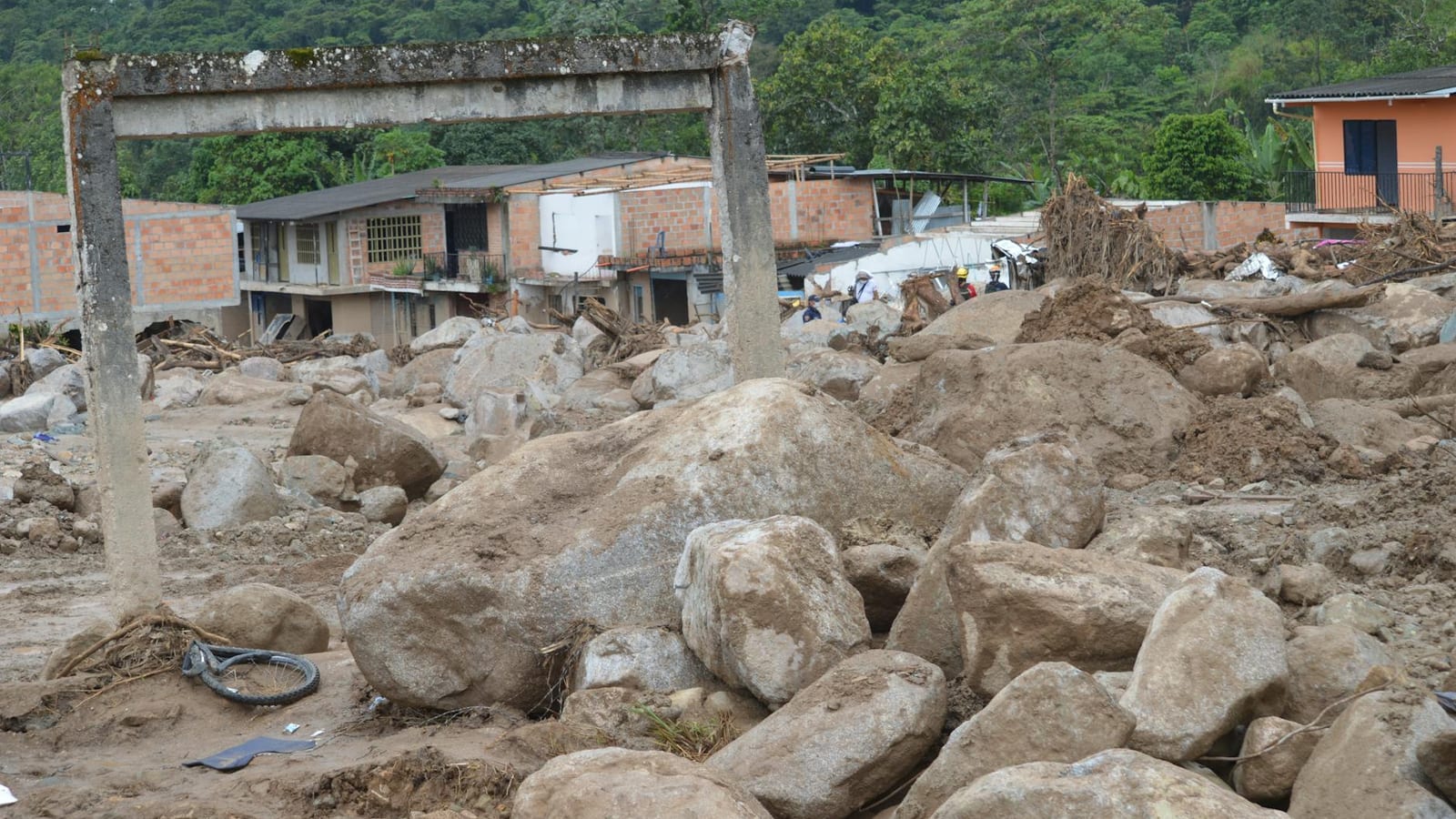
A blast in a remote Myanmar town has left families counting bodies, not belongings.
On Sunday, May 31, an explosion tore through Namhkam in northern Myanmar, flattening homes and killing dozens. Local rescuers said children were among the dead.
The first rescue estimate put the toll at 46, with around 70 injured. Another rescuer gave a higher figure of 59 deaths. Both spoke anonymously, fearing for their safety in a region where even facts can become dangerous.
Namhkam wakes to rubble
The explosion hit Namhkam township in Shan State, an area controlled by the Ta’ang National Liberation Army, or TNLA.
The rebel group called the blast accidental. It said stored explosives, meant for mining and quarrying work, went off around midday.
That detail matters. This was not a crowded city market or a known battlefield. It was a civilian area where homes stood close enough for one blast to damage many lives at once.
A rescuer said more bodies could still lie under collapsed houses. The injured were taken to a local hospital. Emergency teams recovered bodies for cremation.
The TNLA said many villagers had died, suffered injuries, or lost homes. It did not give its own casualty count.
The group also said the explosives belonged to its economic department. It has opened an inquiry into what caused the disaster.
War economy turns deadly
Myanmar has lived under civil war since the military seized power on February 1, 2021.
The junta now fights pro-democracy groups and powerful ethnic armed organisations across the country. The TNLA is one of the stronger ethnic rebel forces.
In plain terms, Myanmar no longer has one war. It has several wars layered over each other. Some are about democracy. Some are about ethnic rights. Many are also about money.
Mining sits at the heart of that money trail.
Across Myanmar, armed groups depend on minerals, timber, border trade, and local taxation. These funds help them buy weapons, pay fighters, and run territory.
But mining areas often operate with weak safety checks. Explosives move through places where civilians also live. Storage standards can be poor. Supervision can be patchy.
That is how a conflict economy can kill people even without a firefight.
For villagers, this means danger does not always arrive wearing a uniform. It can sit in a warehouse. It can travel in a truck. It can be stored near homes because the war has made normal rules disappear.
China’s shadow over Shan
Shan State is not just another conflict zone. It sits near routes that matter deeply to China.
Beijing has tried to manage Myanmar’s civil war through ceasefire talks. In early 2024, the TNLA and two other armed groups accepted ceasefire deals with the junta after Chinese mediation.
That peace did not hold for long.
By the summer of 2024, the TNLA resumed attacks on junta troops in northern Mandalay and neighbouring Shan State. The group later captured Mogok, a town famous for Myanmar’s ruby trade.
Mogok is not symbolic only because of gemstones. It shows why territory matters. Control over mineral towns means money, bargaining power, and political weight.
The TNLA later agreed to withdraw from Mogok in October 2025 after fresh Chinese mediation.
China’s role remains complicated. Analysts say Beijing has kept channels open with both the junta and opposition groups. It shifts its pressure depending on border security, trade interests, and strategic needs.
India should watch this carefully.
Myanmar is not a faraway crisis for New Delhi. It shares a long border with India’s Northeast. Instability there can affect refugees, insurgent networks, border trade, drugs, and security planning.
When Shan State burns, the smoke does not stop at one border.
Why India cannot ignore this
India has often treated Myanmar as a difficult neighbour that requires quiet handling.
That logic has some weight. New Delhi needs access to the Northeast. It wants to limit Chinese influence. It also has projects tied to connectivity and trade.
But the ground reality has changed since the 2021 coup.
Myanmar’s military no longer controls the country in the old way. Ethnic armed groups now hold large areas. Civilian resistance forces have grown. Local administrations run parallel systems in many places.
For Indian policymakers, this creates a hard question. Who actually controls the roads, towns, and border routes that matter to India?
The answer changes from district to district.
The Namhkam blast also shows another risk. Armed groups that run territory must also run economies. When those economies depend on unsafe mining and explosives, civilians pay the price first.
For a kirana trader in Moreh, a security officer in Mizoram, or a young Manipuri student watching the border tense up, Myanmar’s war is not abstract geopolitics. It shapes daily uncertainty.
India cannot afford to see Myanmar only through Delhi’s security lens. It also needs a people-first view of border stability.
That means tracking refugee flows with care. It means understanding ethnic links across borders. It means accepting that China already plays a deep, active game inside Myanmar.
A village pays the price
The TNLA’s statement frames the Namhkam explosion as an accident. The rescuers’ accounts show what that word hides.
An accident can still destroy a neighbourhood. It can still bury children. It can still leave families with no house, no answers, and no safe authority to question.
The death toll may change as rescuers clear debris. In conflict zones, numbers often arrive late and incomplete. Fear also keeps witnesses silent.
But the broader lesson is already clear.
Myanmar’s civil war has made civilian life dangerously thin. A village can be far from the front line and still live beside the machinery of war. A stored explosive can become as deadly as a shell.
For India, this is a reminder that regional power shifts do not happen only in summits and joint statements. They happen in border towns, mining belts, and villages like Namhkam.
Ordinary people will judge the future by simpler things. Can they sleep without fear? Can they send children to school? Can they trust that the building next door will not explode by noon?
Until Myanmar’s war economy stops swallowing civilian life, those questions will remain painfully open.