Russia's Oreshnik strike on Kyiv raises UN alarm
Russia's Oreshnik missile strike near Kyiv escalates the Ukraine war, prompting a UN Security Council push and fresh concerns for India.
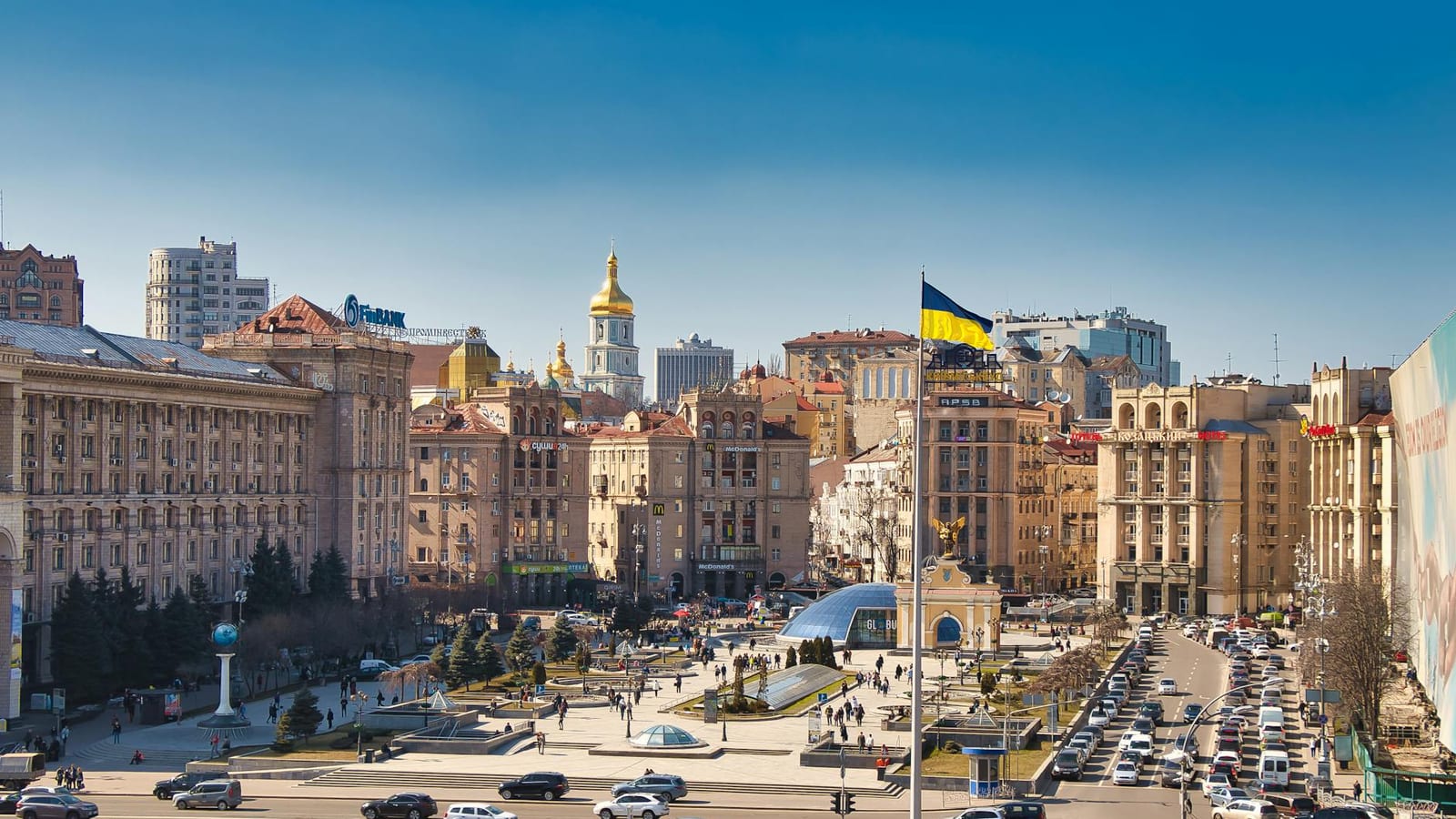
A Sunday night in Kyiv can now turn into a geography lesson in fear.
Sirens, drones, missiles, shattered windows, hospital corridors, and children pulled from sleep. This is what Russia’s latest strike on Ukraine looked like on May 24, 2026.
For India, this is not some distant European tragedy. Every fresh escalation in Ukraine touches oil prices, fertiliser costs, defence planning, and the awkward diplomacy New Delhi must practise between Moscow, Washington, and Europe.
Russia raises the missile stakes
Volodymyr Zelensky said Russia used its Oreshnik intermediate-range missile during the overnight attack near Kyiv. He said the missile targeted Bila Tserkva, a city in the Kyiv region.
Russia’s Defence Ministry confirmed it had used the missile. Moscow said the strike came after Ukrainian attacks on civilian targets inside Russia. Ukraine, meanwhile, says it has targeted Russian military units involved in drone operations.
The Oreshnik is not just another missile name. It can carry conventional warheads and, in theory, nuclear ones too. Its reported range of up to 5,000 km puts much of Europe within reach.
Its speed makes the bigger point. At up to 12,000 km an hour, many air defence systems struggle to stop it. That is why European capitals heard this attack differently.
For Ukrainians, the fear is immediate. For Europe, it is strategic. For India, it is a reminder that missile technology is rewriting old comfort zones.
Kyiv counts the human cost
Mayor Vitali Klitschko said at least two people died in Kyiv. By Sunday evening, he put the injured count at 81. Zelensky said around 100 people were hurt across Ukraine, with at least four killed.
Ukraine’s air force said Russia launched 90 missiles and cruise missiles, along with 600 drones of different types. It said Ukrainian defences intercepted 604 targets, including 55 missiles and 549 drones.
Those numbers sound clinical. On the ground, they mean burning homes, broken schools, damaged high-rises, and families waiting for calls from hospitals.
Ukrainian authorities said government buildings also suffered damage. These included the Foreign Ministry and the cabinet building. Since it was a Sunday, officials said there were no injuries there.
The attack also damaged the national art museum building, where German broadcast offices are located. WDR said the ARD studio saw shattered glass, wrecked rooms, and collapsed walls. No one was inside at the time.
Deutsche Welle also reported damage to its Kyiv office. Its local staff still returned to news duty that morning, according to the broadcaster’s leadership.
That detail matters. Wars are fought with tanks and missiles, but also with information. When studios get hit, the message travels beyond Ukraine.
Ukraine takes fight to UN
Ukraine’s Foreign Minister Andrii Sybiha asked for an urgent meeting of the UN Security Council. He also sought a meeting of the OSCE, Europe’s main security body.
Sybiha accused Russia of using terror strikes because it cannot achieve enough on the battlefield. He said Moscow was attacking civilians, homes, schools, museums, and critical infrastructure.
He also called for a strong multilateral response. In plain English, Ukraine wants its partners to act together, not merely issue angry posts.
The problem is familiar. The UN Security Council can debate the war, but Russia sits there with veto power. That means any serious punitive resolution faces a wall.
Still, Ukraine wants the meeting for another reason. It wants the world to see Russia’s Oreshnik use as escalation, not routine warfare.
That is where the diplomatic battle begins. Russia wants to signal strength. Ukraine wants to frame that signal as reckless intimidation.
For countries like India, these debates matter. New Delhi has often called for dialogue and respect for sovereignty. But it has avoided joining Western punishment campaigns against Moscow.
This balancing act gets harder after every strike on civilians. It also gets harder when weapons linked to nuclear delivery enter the conversation.
Europe warns of escalation
German Chancellor Friedrich Merz called the attack a reckless escalation. He said Germany would continue to stand with Ukraine.
German Foreign Minister Johann Wadephul said missile terror was shocking. He said the Oreshnik use strengthened his support for measures discussed at a NATO foreign ministers’ meeting.
French President Emmanuel Macron also condemned the attack on Kyiv. He said the missile use showed Russia’s war had reached a dead end.
EU foreign policy chief Kaja Kallas accused Russia of nuclear sabre-rattling. Her point was simple. Even if Russia does not use a nuclear warhead, displaying such capacity changes the mood.
This is the dangerous grey zone of modern war. A missile may carry a conventional payload, but its nuclear capability sends another message.
That message is meant for Kyiv, Brussels, Berlin, Paris, and Washington. It says Russia can widen the psychological battlefield whenever it chooses.
India understands this language better than many Western commentators assume. South Asia has lived for decades with nuclear signalling, missile tests, and public warnings.
The difference is scale. In Europe, the Ukraine war has revived fears many thought belonged to the Cold War.
Why India cannot look away
The India angle starts with energy. When the Ukraine war flares, markets watch Russian oil, European gas, shipping routes, insurance costs, and sanctions risk.
India has bought discounted Russian crude since the war began. That helped soften the blow for Indian consumers and refiners. But every escalation invites fresh Western pressure.
Then comes fertiliser. Russia and Belarus matter in global fertiliser supply chains. Any disruption can raise costs for Indian farmers, and that can travel quickly into food prices.
There is also defence. India still uses a large inventory of Russian-origin military equipment. The longer Russia fights in Ukraine, the more stretched its defence industry can become.
Spare parts, timelines, upgrades, and new contracts all enter the equation. Indian planners have already pushed diversification, but defence transitions take years.
The larger lesson is geopolitical. Ukraine shows how wars no longer stay boxed in. A missile fired near Kyiv can affect grain prices, currency markets, oil freight, and arms procurement.
It also shows the limits of global institutions. If the Security Council cannot stop a major war in Europe, smaller nations will draw their own conclusions.
That is why India’s language matters. New Delhi will likely keep pushing talks, restraint, and respect for territorial integrity. It will avoid burning bridges with Moscow.
But the room for polite ambiguity keeps shrinking. Each attack on cities makes the moral and strategic cost more visible.
For ordinary Indians, the Ukraine war may still feel far away. Yet its shadow can appear in petrol bills, wheat prices, fertiliser subsidies, and the defence budget.
The next few days will show whether the UN meeting produces pressure or only speeches. Either way, the Oreshnik strike has already made one thing clear. This war is not tiring itself out quietly. It is still finding new ways to unsettle the world, including India.