Russian attack kills civilians as Kyiv seeks UN action
Russian missiles and drones hit Kyiv overnight, killing civilians, injuring dozens and prompting Ukraine to seek a UN Security Council meeting.
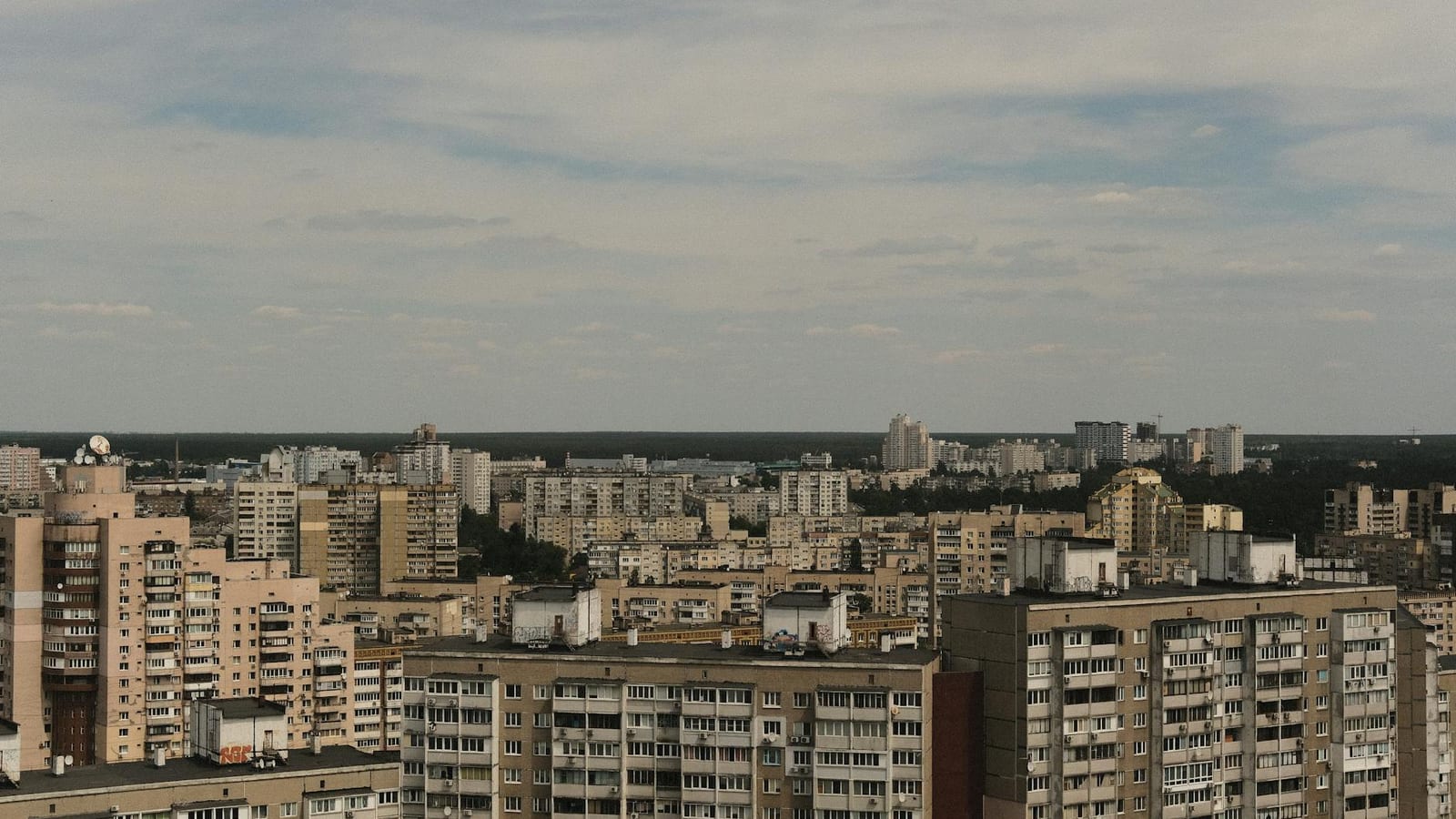
A Sunday night in Kyiv now means counting explosions before counting sleep.
Russian missiles and drones hit the Ukrainian capital and its surrounding region through the night of May 24. By morning, officials were speaking of dead civilians, injured children, burning buildings, damaged schools, and another grim message from Moscow.
Kyiv wakes to another attack
Kyiv mayor Vitali Klitschko said at least two people died in the capital. By evening, he put the number of injured at 81. More than 30 needed hospital care, including two children.
President Volodymyr Zelenskyy said attacks across Ukraine killed at least four people. He said around 100 people were injured across the country.
Ukraine’s air force said Russia fired 90 missiles and cruise missiles, along with 600 drones. It said Ukrainian defences stopped 604 incoming targets, including 55 missiles and 549 drones.
These numbers matter, but they can also numb us. For ordinary Kyiv residents, the real story was simpler. Sirens screamed. Families moved to shelters. Windows blew out. Firefighters worked through smoke and debris.
Ukrainian officials said several civilian buildings suffered damage. These included apartment blocks, at least one school, and parts of critical city infrastructure.
Government buildings also took hits, including the foreign ministry and the cabinet building. Since the strikes came on a non-working Sunday, officials reported no injuries there.
Oreshnik raises the stakes
The most worrying claim came from Zelenskyy. He said Russia used an Oreshnik missile against Bila Tserkva, a city in the Kyiv region.
Russia’s defence ministry later confirmed it had used the missile. Moscow said it acted after Ukrainian attacks on civilian targets inside Russia.
That explanation will not settle the argument. In this war, both sides routinely dispute battlefield claims. But the weapon itself changes the mood.
The Oreshnik is a medium-range missile. It can carry regular explosives, but it can also carry nuclear warheads. Its reported range of up to 5,000 km puts much of Europe within reach.
Its speed is the bigger problem for defenders. Ukrainian officials say it can travel at up to 12,000 km per hour. At that speed, many air defence systems struggle to respond in time.
For India, this is not some distant European weapons story. It shows where modern war is heading. Drones, missiles, cyber tools, and long-range strikes now mix in one night.
Indian defence planners will watch this closely. So will countries that depend on imported air defence systems. The lesson is blunt. Future wars may not allow much warning time.
Ukraine seeks global pressure
Ukraine’s foreign minister Andrii Sybiha asked for an urgent meeting of the UN Security Council. He also sought a meeting of the OSCE, Europe’s security grouping.
Sybiha accused Russia of hitting cities because it lacked progress on the battlefield. He said Moscow wanted to scare Ukrainians by targeting civilian life.
His message was aimed at Western capitals as much as Moscow. Ukraine wants more than sympathy after each attack. It wants weapons, sanctions, and political pressure.
Zelenskyy also urged the world to act before Russia expands the war further. He said pressure must come before the next strike, not only after damage is done.
That is where the global politics gets complicated. Europe remains committed to Ukraine, but voters there now ask harder questions. Money, energy prices, and defence spending sit on every cabinet table.
Germany’s Chancellor Friedrich Merz called the attack reckless. French President Emmanuel Macron also condemned the strike and repeated France’s support for Ukraine.
EU foreign policy chief Kaja Kallas accused Russia of nuclear intimidation. She pointed to the Oreshnik’s ability to carry nuclear warheads.
For Indian readers, the important part is not just who condemned whom. The bigger point is that Europe is rearming in real time. That will shape defence markets, energy deals, and diplomacy for years.
Media offices also take damage
The attack also damaged offices used by German broadcasters ARD and Deutsche Welle in Kyiv. Their teams said nobody was inside at the time.
ARD said a blast wave likely shattered windows, damaged rooms, and brought down parts of walls. Deutsche Welle said its Kyiv newsroom also suffered damage.
Journalists in Kyiv continued work after the strike. That small detail matters. Wars are fought with missiles, but also with information.
Russia and Ukraine both understand the power of images. A broken apartment block can move public opinion faster than a diplomatic statement.
This is why attacks near media offices create concern beyond property damage. They raise questions about whether independent reporting can continue under fire.
For India, which has its own loud debates about media freedom, there is a useful reminder here. In war, reliable information becomes as valuable as fuel or ammunition.
India watches a harder world
India has walked a careful line on the Ukraine war. New Delhi has called for dialogue, avoided direct public attacks on Moscow, and kept buying Russian oil.
That position has helped India protect energy security. It has also kept long-standing defence ties with Russia intact.
But every new escalation makes that balancing act harder. When Russia uses weapons that can carry nuclear warheads, the argument moves beyond Ukraine.
India has always opposed nuclear blackmail in global politics. It also knows how dangerous missile signalling can become in a tense region.
There is another practical angle. War in Europe keeps pressure on food, fuel, fertiliser, and shipping. These are not abstract items for Indian households.
A rise in global oil prices can hit petrol pumps in Jaipur. A fertiliser shock can reach farmers in Bihar. Shipping delays can affect small exporters in Surat.
That is why Ukraine still matters to India, even when the war feels far away. A missile over Kyiv can travel through markets, budgets, and kitchens across continents.
The latest strike also tells us something about peace talks. If both sides believe escalation can improve their bargaining position, diplomacy becomes slow and fragile.
Ukraine wants stronger guarantees before any deal. Russia wants to show it can still raise costs. Europe wants Ukraine to survive, but not a wider war.
India’s interest lies in a stable outcome, not endless escalation. The longer this war continues, the more the global order becomes harsher, costlier, and less predictable.
For ordinary people, that is the real warning from Kyiv’s broken windows. Wars abroad do not stay abroad for long. They arrive quietly, through prices, politics, and the uneasy feeling that the world has become less safe.