Russian Drone Strike in Romania Raises NATO Alarm
A Russian drone hit an apartment block in Romania, injuring two people, as Zelensky warned of a possible new large strike on Ukraine.
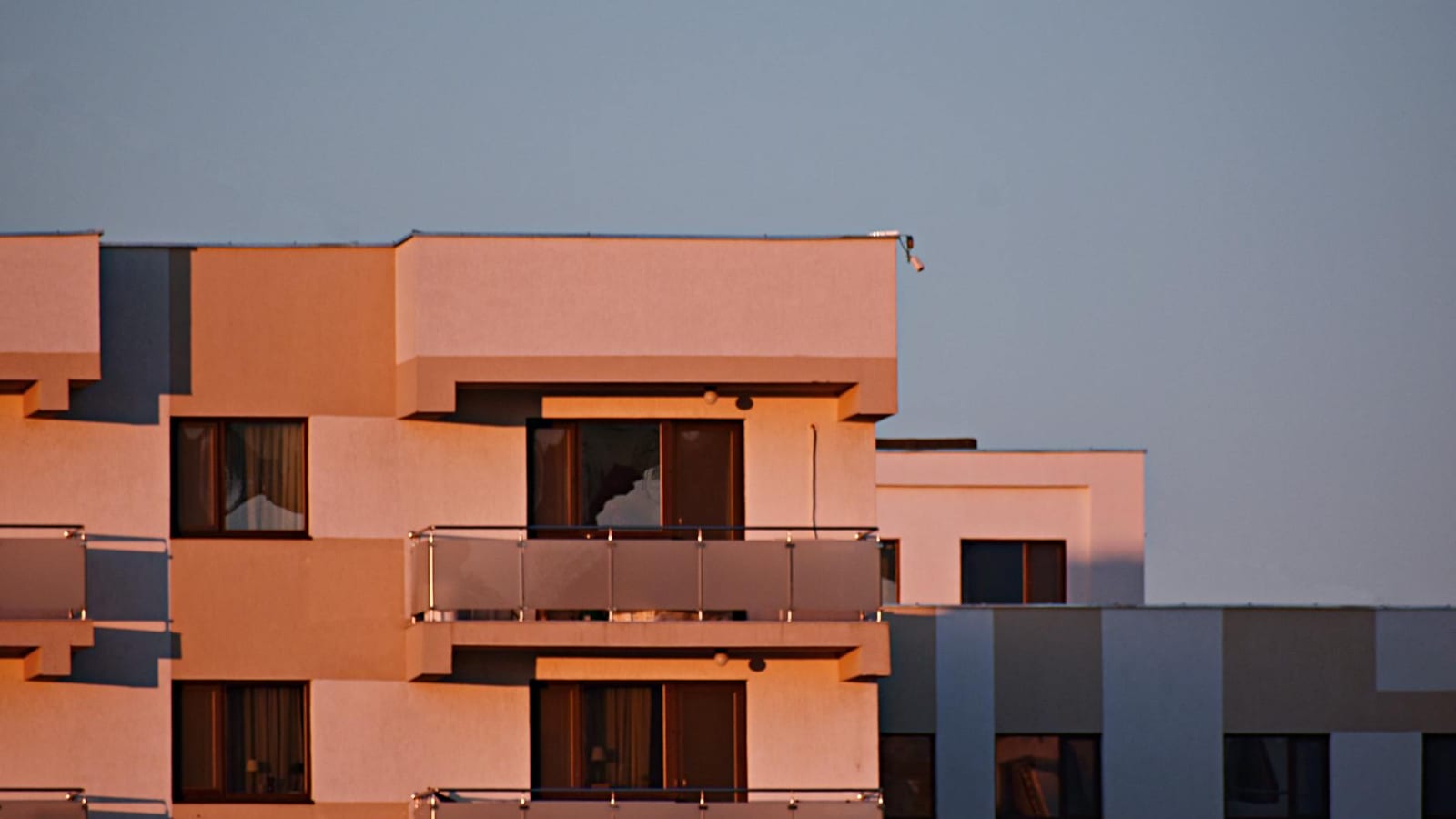
A Russian drone hitting a Romanian apartment block is not just Europe’s problem anymore. It is a reminder that modern wars rarely stay inside neat borders.
Two people were lightly injured in Galati, a Romanian city near Ukraine. One was a 14-year-old teenager. The other was a 53-year-old woman. For Indians watching from far away, the lesson is simple. A war fought with drones, missiles, sanctions, cables, and grain routes can disturb lives far beyond the battlefield.
Ukraine’s President Volodymyr Zelensky has warned that Russia may be preparing another large strike. He has again asked allies to help Kyiv get Patriot air defence missiles. These are among the few systems that can stop Russian ballistic missiles.
Russian drones cross a dangerous line
NATO has confirmed that the drone which hit the residential building in Romania was Russian. Colonel Martin O’Donnell, a spokesperson for NATO’s military command in Europe, said the aircraft was Russian.
Romanian President Nicusor Dan visited Galati after the incident. He said the drone may have changed course after being hit near Reni, an Ukrainian city around 25 kilometres away.
That detail matters. Reni sits near the Danube and has often faced Russian strikes. Its grain warehouses are important to Ukraine’s exports. When drones attack such border areas, the margin for error becomes tiny.
Russia has pushed back against quick conclusions. President Vladimir Putin said the origin of the drone could not be confirmed without technical examination. He also said Russia would investigate if it received the remains and data.
This is now a familiar pattern. A strike happens near a border. Moscow asks for proof. European capitals call it escalation. Ordinary people nearby wonder whether their homes are still safe.
Romania’s defence minister, Radu Miruta, said the country will sign eight contracts for anti-drone systems. He also admitted such equipment could have prevented the Galati incident. That is a blunt admission from a NATO member.
Zelensky pushes for Patriot missiles
Zelensky’s message to allies is direct. Ukraine needs stronger air defence, and it needs it quickly. He said adequate supply depends on the United States. Kyiv hopes its voice will be heard.
The Patriot system matters because Russia uses ballistic missiles. These missiles travel fast and are hard to intercept. Ordinary air defence systems often cannot stop them.
For Ukrainian families, this is not an abstract military debate. A missile that gets through can mean a destroyed apartment, a broken power plant, or a hospital without electricity.
Zelensky has also asked for more sanctions against Moscow. His argument is that Russia will not stop unless the cost rises. That cost can come through weapons, money, trade curbs, and diplomatic pressure.
Japan has announced $14.65 million for NATO’s Ukraine support mechanism. The money will go only towards non-lethal equipment. Tokyo said it wants to support a just and lasting peace.
That may sound small next to America’s defence budget. Yet politically, it is not small. Japan is showing that Ukraine is no longer just a European security issue.
India should watch this carefully. Asian powers now read the Ukraine war through their own security lens. Japan sees Russia, China, and North Korea as part of one wider pressure map.
Putin talks peace, warns Europe
Putin, speaking in Astana during a visit to Kazakhstan, said the Ukraine conflict is moving towards its end. He claimed Russia’s battlefield position gives Moscow reason to say so.
At the same time, he said Russia remains ready for talks. He also admitted contacts exist, but not proper negotiations. That is diplomacy with one hand and pressure with the other.
Putin rejected European warnings about possible Russian aggression. He called such claims false and said Moscow does not threaten European countries.
Yet he also warned that places posing a direct military threat to Russia could become targets. That is the line Europe hears most clearly.
France has summoned the Russian ambassador. Paris condemned threats against Kyiv, recent mass strikes, and drone movement into Romanian airspace.
Britain is also hardening its laws around undersea cables. London says old rules are not enough for today’s sabotage risks. It wants tougher fines and prison terms for ship owners and operators who damage cables deliberately or through negligence.
This is where the war starts looking different. It is not only about tanks and trenches. It is also about ports, internet cables, satellites, insurance, and energy grids.
For India, this is very familiar territory. Our economy runs on shipping lanes, data cables, energy imports, and financial links. If hostile states start treating infrastructure as battlefield material, distance offers little comfort.
Why India should care
The India angle begins with food and fuel. Ukraine’s Danube ports help move grain into global markets. When Russia targets storage sites and routes, prices can shift far away.
A kirana store owner in a tier-2 Indian city may never discuss Reni or Galati. But higher transport costs and tighter grain flows can still enter the shop ledger.
Energy is the second link. The longer the war runs, the more volatile oil and gas markets remain. India has managed this carefully by buying discounted Russian crude while keeping ties with the West alive.
That balancing act gets harder when the war spills into NATO territory. Even an accidental drone hit can sharpen pressure on countries doing business with Russia.
Defence planners in Delhi will also study the drone story closely. Cheap drones now test expensive air defence systems. They expose gaps in borders, radars, and response times.
India faces its own drone challenge along sensitive frontiers. The Romanian episode shows that one stray or jammed drone can become a diplomatic crisis within minutes.
The bigger lesson is geopolitical. The West still speaks the language of rules. Russia speaks the language of force and denial. Middle powers like India must deal with both worlds at once.
New Delhi will not abandon strategic autonomy. It should not. But autonomy works best when backed by clear eyes, strong supply chains, and serious defence preparedness.
Ukraine’s war has entered a phase where every drone fragment carries a message. For Europe, it says borders are no longer insulated. For India, it says distant wars can quietly enter our fuel bills, food prices, defence planning, and diplomacy. The smart response is not panic. It is preparation, because this conflict is teaching the rest of the world how the next one may look.