Sonko Takes Senegal Assembly After Prime Minister Ouster
Ousmane Sonko moved from Senegal's prime minister post to parliament speaker, sharpening a split with President Bassirou Diomaye Faye in Dakar.
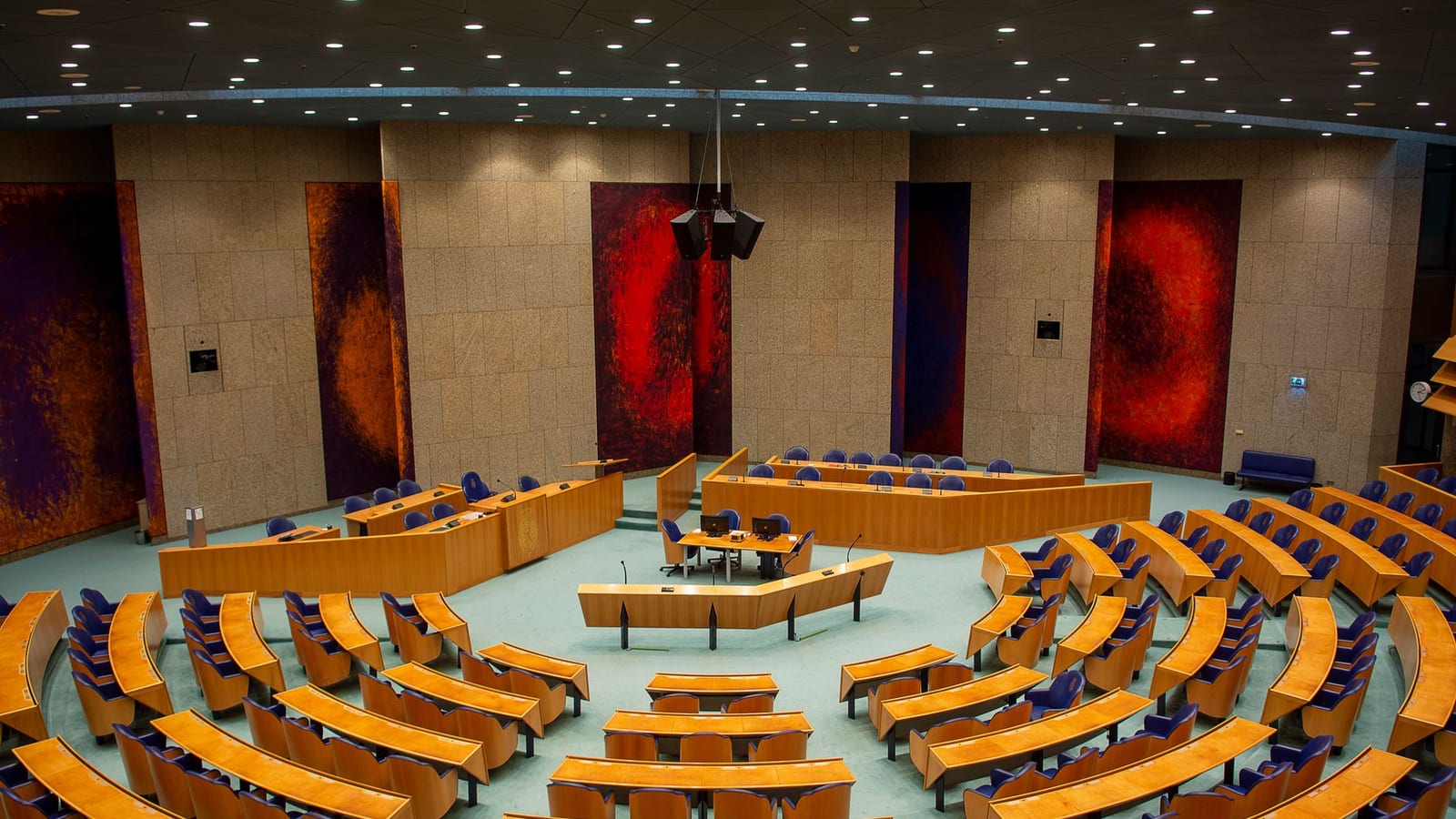
A political partnership that once looked unbreakable in Senegal has snapped in public view. In less than a week, Ousmane Sonko lost the prime minister’s office and then walked into parliament as its new boss.
That is not just palace drama in Dakar. For India, it is another reminder that young democracies across the Global South are wrestling with the same hard question: how do you promise a clean break from old systems, then govern with empty pockets and angry voters?
Ousmane Sonko wants to answer that question with a harder, more revolutionary line. President Bassirou Diomaye Faye, his old ally, appears to prefer a more cautious route.
Sonko returns through parliament
Sonko’s political rebound was almost cinematic. Four days after Faye removed him as prime minister on May 22, Senegalese lawmakers elected him president of the National Assembly.
He won 132 votes in a 165-member house. That margin matters. It showed that Sonko may have lost one office, but he has not lost political weight.
From the speaker’s chair, Sonko sounded careful. He said he would not use the post to create institutional disorder. He also said lawmakers with him would not turn parliament into a place for personal revenge.
Those words were clearly aimed at calming nerves. A fight between president and parliament can paralyse any democracy. In Senegal, where both men came from the same political movement, the risk feels sharper.
A broken ruling partnership
The split marks the end of a twelve-year political partnership. Sonko and Faye built their appeal together from the opposition benches, through legal battles, street pressure, and public anger against the old order.
Their party, Pastef, carried a powerful promise in the 2024 presidential election. It spoke of sovereignty, democratic renewal, cleaner politics, and a state less tied to old foreign power networks.
That message travelled well because many Senegalese voters were tired. Young people wanted jobs. Families wanted relief from high prices. Citizens wanted leaders who spoke their language, not just the language of elite policy rooms.
But winning power often changes the test. Opposition rewards purity. Government punishes loose arithmetic.
Senegal’s new leadership inherited heavy public debt from the previous regime. It also faced social frustration and a rough global economy. Food, fuel, currency pressure, debt payments, and investor confidence do not wait for slogans to settle.
That is where the Sonko-Faye partnership seems to have cracked. The dispute is not only personal. It is about how much compromise a movement can accept once it enters office.
Fanon, sovereignty and hard choices
Just before his removal, Sonko released a short book based on a 2025 speech. In it, he invoked Frantz Fanon, the anti-colonial thinker from Martinique whose writings still inspire radical politics across Africa.
The timing was striking. Sonko used Fanon to argue for a deep political rupture. In plain English, he wants Senegal to break more sharply from old colonial-era habits, outside influence, and economic dependence.
This is not an abstract debate in West Africa. France’s role in its former colonies has come under heavy pressure. Military juntas in parts of the Sahel have pushed French forces out. Civilian leaders also face pressure to prove that sovereignty is not just campaign poetry.
For Indian readers, the language will sound familiar. We too know the politics of strategic autonomy. We too like leaders who say the country will decide for itself. But we also know that sovereignty has bills attached.
A government can say it wants independence from outside pressure. Yet it must still borrow money, import energy, build roads, pay salaries, and keep prices under control.
That is the tightrope Sonko and Faye now face. Sonko’s supporters want a faster break with the past. Faye’s camp appears more cautious, perhaps because the presidency must deal daily with creditors, investors, diplomats, and restless citizens.
Why India should watch Senegal
At first glance, Senegal may look far from India’s daily concerns. It is not. Africa is now central to India’s foreign policy, trade thinking, and Global South diplomacy.
India has been expanding ties with African countries through development projects, health cooperation, digital public infrastructure, education, and private investment. West Africa, with its young population and resource base, matters in that larger map.
Senegal also matters as a democratic signal. In a region shaken by coups and military rule, Senegal has long carried a reputation for electoral politics and civilian institutions. A top-level rupture therefore gets attention.
If the president and parliament enter a cycle of open hostility, governance may slow. That can hurt policy decisions, debt management, public spending, and foreign partnerships.
Indian businesses looking at Africa watch these signals closely. A stable political system gives comfort to exporters, infrastructure firms, drug companies, and technology providers. A messy power struggle raises risk, even when democratic institutions remain intact.
There is a wider geopolitical point too. Western capitals often read African politics through the narrow lens of influence. Who is moving closer to France, China, Russia, or the Gulf? That question matters, but it misses something deeper.
Many African voters are asking a more basic question. Will our leaders give us dignity and jobs without selling our future?
That is not very different from what voters ask in India’s smaller towns. A young graduate does not debate ideology all day. He wants work. A small shopkeeper wants stable prices. A family wants school fees, electricity, and medical bills to stay manageable.
The 2029 shadow is already here
The next Senegalese presidential election is due in 2029. That may sound distant, but the positioning has clearly begun.
Sonko remains the country’s most popular political figure, even after losing the prime minister’s job. Faye holds the presidency, the most powerful office in the system. Their rivalry will shape the rest of this term.
The danger for Pastef is obvious. Movements that rise as vehicles of change often struggle when two centres of power emerge inside them. Supporters then choose camps. Policy becomes a loyalty test. Institutions become battlegrounds.
Sonko’s promise not to use parliament for revenge was sensible. But politics rarely runs on first-day speeches alone. The real test will come when the government brings laws, budgets, and debt decisions before the Assembly.
For Faye, the challenge is equally difficult. If he moves too slowly, Sonko can accuse him of diluting the movement’s mandate. If he moves too sharply, markets and creditors may punish Senegal. Ordinary families will feel that pain first.
That is the hard truth of post-election politics. The public votes for hope. The winner inherits the ledger.
Senegal’s crisis is still young, and it may yet settle into a working arrangement. But the message for ordinary readers is clear. Across the Global South, including India, voters want leaders who speak of dignity, sovereignty, and fairness. They also want rice, rent, fuel, and jobs to make sense at month-end. The politician who can join those two demands, without turning institutions into personal weapons, will define the next chapter.