Trump says Iran deal nearer as war risk persists
Trump says talks with Iran are nearing a deal, but warns conflict could resume if diplomacy fails, keeping Gulf energy risks in focus for India.
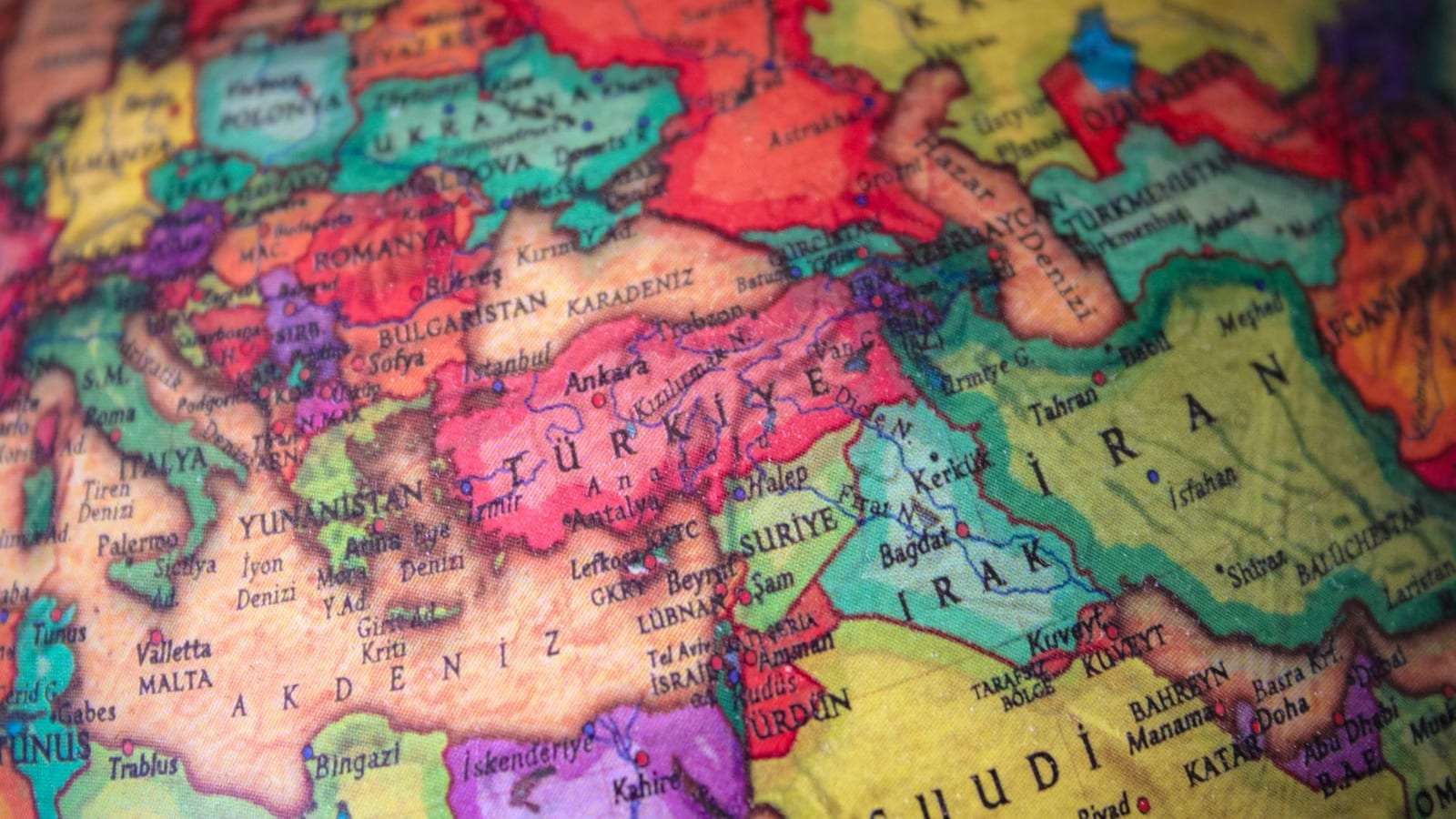
A war that can move petrol prices in Pune and flight tickets from Kochi may now hang on 14 clauses.
Donald Trump says a deal with Iran is getting much closer. That sounds hopeful, until you hear the other half. The US president has also put the odds at 50-50 between a “good” agreement and a return to war.
For India, this is not distant theatre. The Gulf is where millions of Indians work, where much of our energy security still passes, and where every missile alert can quietly enter household budgets.
Trump talks peace and threats
Trump told American media that talks with Tehran were improving every day. He also said he could decide by Sunday whether to restart hostilities if diplomacy fails.
That is classic Trump. One hand offers a deal. The other keeps the stick visible on the table. His language has stayed harsh, including threats of severe military action if Iran rejects the path on offer.
US Secretary of State Marco Rubio, who was in India, struck a softer tone. He said there was a chance Iran could accept an agreement soon. He also said Washington may have something to announce within days.
The Iranian foreign ministry sounded cautious, not triumphant. Spokesman Esmaeil Baghaei said the two sides had moved closer after weeks of talks. But he warned that this did not mean agreement on the hardest issues.
That difference matters. Washington wants to show control. Tehran wants to show it has not bent under pressure. Both sides need a deal, but neither wants to look desperate.
Hormuz sits at the centre
Iran says a draft memorandum has 14 points and is close to being finalised. The nuclear question, Baghaei said, is not part of it at this stage.
That is striking. For years, Iran talks have almost always returned to the nuclear file. This time, the immediate bargain seems more basic: stop the fighting, reopen routes, and reduce pressure at sea.
The Strait of Hormuz sits at the heart of this crisis. Before the conflict, about one-fifth of the world’s oil and gas moved through this narrow waterway.
For Indians, that is not an abstract shipping lane. It is linked to diesel costs, airline fuel, fertiliser prices, and inflation. When Hormuz shakes, the shock can reach a vegetable vendor’s transport bill.
Iran has accused the United States of choking its ports through a naval blockade. Washington has framed its actions as pressure against Tehran’s military conduct. Behind the slogans, the issue is simple. Ships must move, or prices rise.
Reports around the talks suggest possible steps could include reopening Hormuz, releasing some Iranian funds held abroad, and continuing negotiations for another 30 days. Neither side has publicly pinned down the full offer.
That is why the optimism needs caution. A temporary pause can calm markets. A vague pause can also hide the next confrontation.
Lebanon keeps the fuse burning
The war has not stayed between Iran and the United States. Hezbollah, the Iran-backed force in Lebanon, says Tehran has reassured it of continued support.
Hezbollah said its leader Naim Qassem received a message from Iranian Foreign Minister Abbas Araghchi. The message said Iran would not abandon groups it describes as fighting for justice and freedom.
That signal will worry Israel. It also shows why any deal is so hard. Iran is not only negotiating for itself. Its regional network is part of the battlefield.
The Israeli army said one of its soldiers, 23-year-old Staff Sergeant Noam Hamburger, was killed near the Lebanon border. It said Israeli military deaths in the latest fighting with Hezbollah have reached 22, besides one civilian contractor.
Lebanon’s army also said an Israeli strike hit a barracks in Nabatiyeh and wounded one soldier. Israel has continued strikes and evacuation warnings in several southern villages, despite ceasefire efforts.
For ordinary Lebanese families in the south, diplomacy must feel painfully slow. Funerals continue while officials discuss clauses. That is the cruel gap between negotiation rooms and border towns.
India has seen this pattern before in West Asia. A ceasefire headline can appear in the morning. By evening, one strike, one militia response, or one misread signal can drag everyone back.
India watches the oil clock
India’s interest is clear. Stability in the Gulf is a bread-and-butter issue, not just a foreign policy debate.
Millions of Indian workers live across the Gulf. Their remittances support families in Kerala, Uttar Pradesh, Bihar, Telangana, Punjab, and beyond. A wider war can threaten jobs, savings, and safe travel.
Energy is the second concern. India has diversified suppliers over the years, but global oil prices still affect us. Even when India buys from elsewhere, the benchmark price reflects global fear.
A prolonged Hormuz disruption could push up import costs. That can feed inflation, widen the trade deficit, and squeeze the rupee. Young professionals paying EMIs may not follow Hormuz maps, but they feel price rises quickly.
Rubio’s visit to India adds another layer. Washington knows New Delhi has stakes in the Gulf, ties with Israel, a working relationship with Iran, and deep energy exposure. India cannot treat this as someone else’s fire.
New Delhi will likely prefer a narrow peace first. Stop the shooting. Keep ships moving. Protect workers. Leave the harder ideological battles for later.
That sounds modest, but modest goals often save lives in West Asia. Grand bargains collapse under their own weight. Practical pauses sometimes create space for real diplomacy.
France enters the Israel row
The crisis has also spilled into European politics. France has barred Israeli National Security Minister Itamar Ben Gvir from entering its territory.
French Foreign Minister Jean-Noel Barrot announced the move after a video showed Gaza flotilla activists kneeling with their hands tied. Several activists alleged violence, humiliation, and misconduct during detention by Israeli forces.
Israel’s far-right politics have already strained ties with several Western governments. This latest French step shows how Gaza, Lebanon, and Iran now overlap in one larger argument.
For India, the lesson is familiar. Regional wars rarely stay regional. They move through oil markets, shipping lanes, diaspora networks, social media, and diplomatic alignments.
Trump may still pull a deal out of this tense moment. Iran may accept a limited arrangement if it gets relief at sea and access to money. Israel may still fear that any pause gives Hezbollah time to regroup.
So the next few days matter. Not because they will solve the Middle East. They will not. But they may decide whether the region gets breathing room, or another round of fire.
For Indian readers, the big question is simple. Will this remain a foreign news story, or will it show up in fuel bills, flight routes, and family WhatsApp groups from the Gulf? That answer may come sooner than anyone likes.