Ukraine Strikes Push War Deeper Into Russian Territory
Kyiv says it hit Russian refineries and military sites up to 1,200 km away, underscoring how drones are reshaping modern warfare.
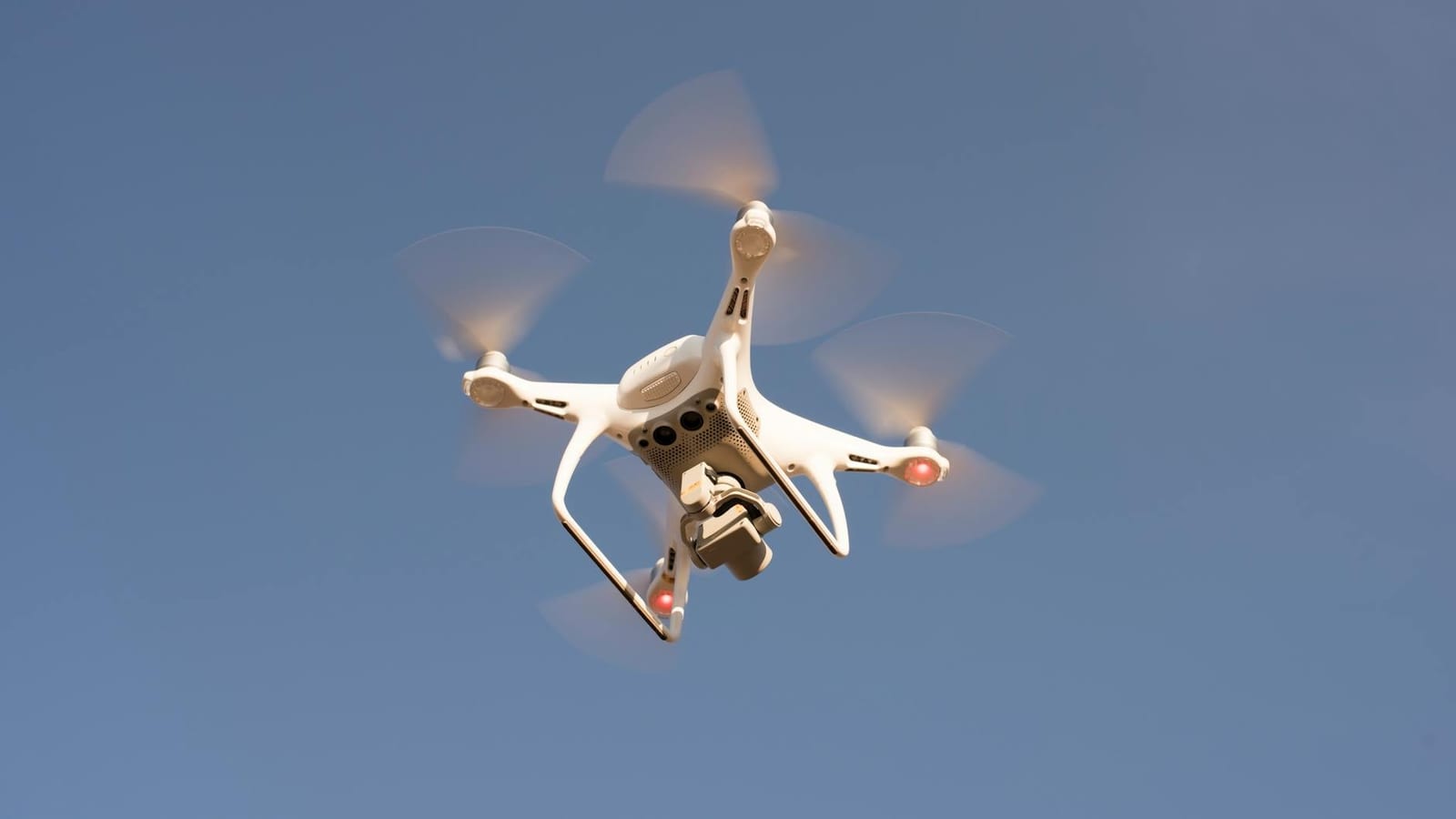
A refinery 700 kilometres from the front line is no longer too far away.
That is the message Ukraine sent on Sunday, May 31, after Volodymyr Zelensky said Ukrainian forces had struck targets deep inside Russia. Some were as far as 1,200 kilometres from Ukraine’s border.
For Indians watching from a distance, this is not just another update from Europe. It shows how cheap drones, long-range strikes, and fragile air defence now shape modern war. That matters to every country, including India.
Ukraine takes the war deeper
Zelensky said Ukrainian forces hit an oil refinery in Russia’s Saratov region overnight. Saratov sits roughly 700 kilometres from the fighting line.
He also said Ukrainian strikes targeted places in Rostov and Kirov, and a military base on the Caspian Sea coast. This is not random messaging. Kyiv wants Moscow to feel pressure far beyond the trenches.
Zelensky described these attacks as part of Ukraine’s “long-range sanctions” plan. In plain English, Ukraine is trying to hurt Russia’s war machine by hitting fuel, logistics, and military infrastructure.
He said Ukrainian forces had also struck targets this week in Yaroslavl, Ryazan, Voronezh, Rostov, Novgorod, Nizhny Novgorod, and Krasnodar. The distances ranged from 300 to 1,200 kilometres.
That changes the psychology of the war. Russia has spent years firing missiles into Ukrainian cities. Now Kyiv is showing that distance alone cannot guarantee safety.
Russia threatens heavier attacks
Even as Ukraine pushed deeper into Russian territory, Zelensky warned of another danger at home.
He said Russia may launch “massive” strikes using drones and missiles within 24 to 48 hours. He said American and European intelligence had confirmed the threat.
For ordinary Ukrainians, that means another night near shelters, phone alerts, and broken sleep. War becomes a timetable of fear. You work, cook, charge your devices, and wait for sirens.
Zelensky asked again for more Patriot air defence systems. These systems can intercept some of the most dangerous missiles. They are expensive, limited, and politically difficult to move.
His argument is simple. Ukraine can attack far away, but it still cannot fully protect its own skies. That gap has become one of the war’s central problems.
Russia, he said, now launches large attacks every three to ten days. If that rhythm continues, Ukraine’s cities will remain under constant pressure, even when its drones score symbolic wins.
Drones blur every border
The drone war is now spreading anxiety beyond Ukraine.
Romania has warned Moscow of possible diplomatic action after a drone crashed in Galati. Romanian President Nicusor Dan said authorities had no doubt it was a Russian-designed Geran-2 drone.
That matters because Romania is a NATO member. A drone landing in Romania is not the same as one falling in an empty field in occupied territory. It raises questions about alliance credibility.
Dan said Romania could take further diplomatic steps if Russian drones keep entering its airspace. He mentioned a range of measures, after earlier action against Russian diplomatic presence.
Zelensky thanked Dan for sticking to facts. He said facts were the best answer to Russian manipulation. That line was aimed at Moscow, but also at anxious European capitals.
This is the part India should watch closely. Borders are no longer crossed only by soldiers and tanks. They are crossed by drones, fragments, cyberattacks, and deniable machines.
For India, with long borders and tense neighbours, this is not theory. The Ukraine war has become a live classroom in cheap aerial warfare.
Civilians remain the real target
The military headlines are loud. The civilian toll remains heavier.
Oleksandr Hanja, governor of Dnipropetrovsk, said Russian strikes killed a 50-year-old woman in the Nikopol district. Four others were injured there, including two seriously.
He said five more people were hurt in separate strikes on Synelnykove, also in Dnipropetrovsk. These are not distant map points for people living there. They are homes, markets, roads, and power lines.
Pro-Russian authorities in occupied Kherson also claimed a Ukrainian drone hit a residential building in Henichesk. Vladimir Saldo, a Moscow-backed official, said a child born in 2020 was killed.
Kyiv and Moscow blame each other daily. But civilians on both sides of occupied lines face the same cruel truth. Drones do not always stop where planners expect them to.
This is why the drone age is so dangerous. A small machine can travel far, avoid old defences, and hit with little warning. It also makes accountability harder.
What India should notice
For India, the first lesson is about defence planning.
Ukraine’s strikes show that long-range drones can create pressure at low cost. Russia’s attacks show that even a large country can struggle to defend every city, refinery, and air base.
India has invested in missiles, air defence, and drones. But the Ukraine war says quantity matters too. A country needs enough systems, spare parts, trained crews, and local production.
The second lesson is energy. Ukraine targeted a Russian refinery, and such strikes can ripple through fuel markets. India buys discounted Russian crude and watches global prices closely.
If attacks on Russian energy infrastructure grow, insurers, shippers, and traders will price in more risk. Even a small change can affect import bills. That can reach Indian consumers through petrol, diesel, and inflation.
The third lesson is diplomacy. Zelensky said he hoped US envoys Steve Witkoff and Jared Kushner would visit Kyiv soon. He also noted that Middle East diplomacy could delay attention.
That sentence tells the bigger story. The world does not pause one crisis to solve another. Ukraine, Gaza, energy security, China, and elections all compete for the same diplomatic oxygen.
India has tried to keep relations with Russia while engaging the West. That balancing act gets harder when the war expands in range and risk.
The uncomfortable truth is this. Modern wars no longer stay neatly inside borders, budgets, or TV screens. A refinery strike in Saratov can shape oil prices. A drone in Romania can test NATO. A Patriot shortage in Kyiv can influence defence debates in Delhi.
For ordinary Indians, the Ukraine war may feel far away. But its lessons are coming closer, through fuel bills, defence choices, and a world where small machines can carry big consequences.