US Backs Ukraine Air Defence But Seeks Kyiv Self-Reliance
Washington says it will keep helping Ukraine strengthen air defences, while pressing Kyiv and Europe to shoulder more of the wartime burden.
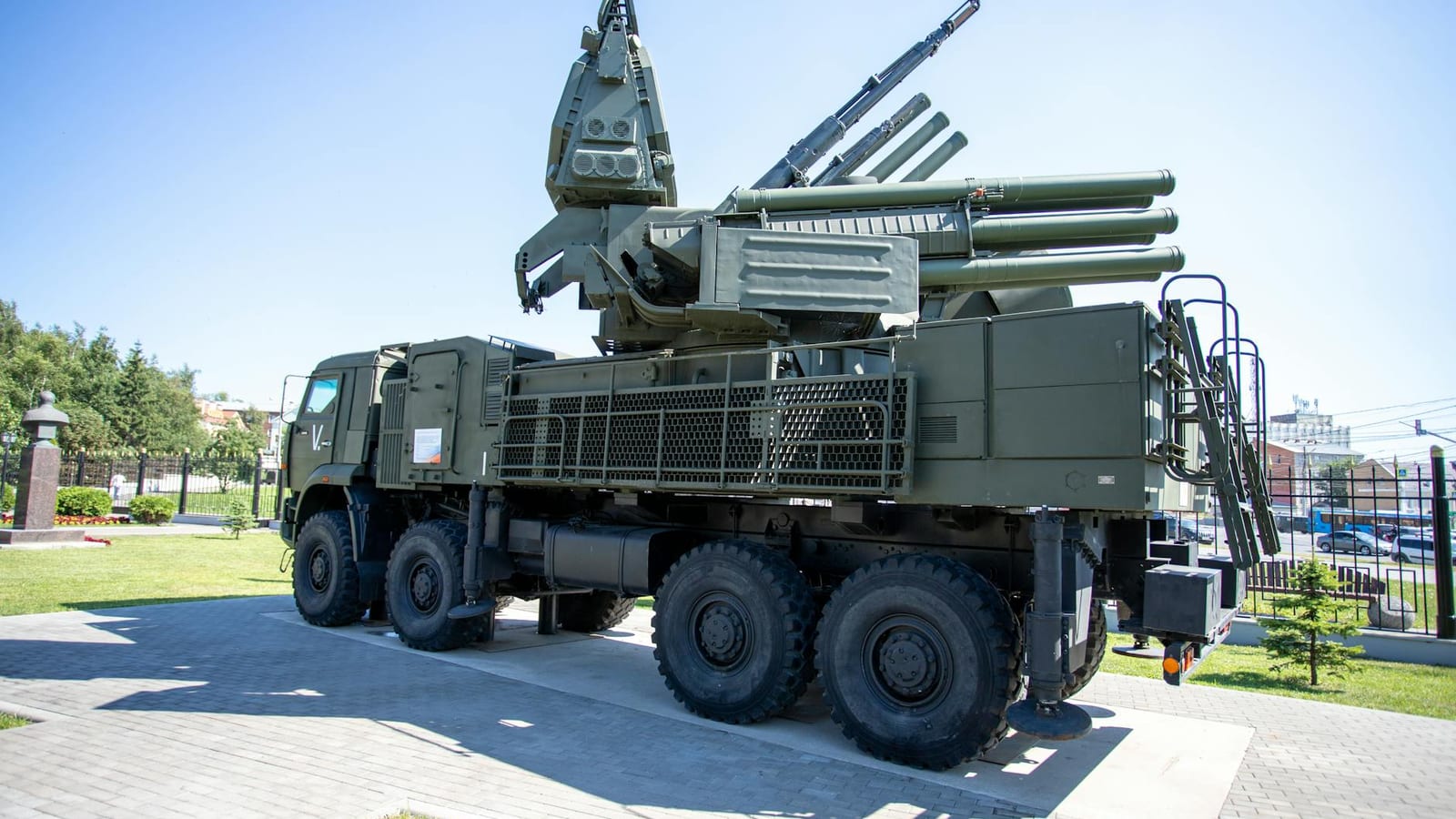
A war that began with tanks now turns on missiles, drones, and power lines. For Ukraine, the urgent question is brutally simple: can it stop enough Russian attacks to keep cities alive?
Volodymyr Zelensky has asked Donald Trump for more Patriot air defence missiles. Kyiv says Russian strikes have intensified, and Ukraine’s air shield is under serious strain.
For India, this is not a distant European story. It is a preview of modern war, where drones, factories, energy grids, and supply chains matter as much as soldiers.
Washington keeps aid, with a catch
US defence secretary Pete Hegseth said Washington would keep helping Ukraine defend itself. He spoke on the sidelines of the Shangri-La Dialogue in Singapore, a major security forum watched closely across Asia.
But his message carried a second line. The US wants Ukrainians to become more capable of defending themselves. In plain English, America is still helping, but it wants Europe and Ukraine to carry more weight.
That matters because Patriot systems do not work like ordinary weapons. They need launchers, radar, trained crews, spare parts, and a steady flow of missiles. One missing part can weaken the whole shield.
Hegseth also said the US is reorganising ammunition production. That is another sign of the times. Western countries now realise that modern wars burn through weapons far faster than peacetime factories can replace them.
Kyiv pushes for air cover
Zelensky said Kyiv remains in near-daily contact with US and European officials. The talks cover air defence deliveries, drone production, and earlier agreements with allies.
His immediate worry is ballistic missile defence. These missiles travel very fast and give cities little warning. For ordinary Ukrainians, that means the difference between sleeping through the night and rushing to shelter.
Kyiv also wants more drone deals with Europe. Drones have become the cheap, flexible weapon of this war. They spot targets, carry explosives, guide artillery, and hit infrastructure far from the front.
This is where Indian planners should pay attention. India has long focused on big-ticket platforms, such as fighter jets and submarines. Ukraine shows that smaller systems, made in large numbers, can change the battlefield quickly.
Zaporizhzhia raises nuclear fears
The most worrying flashpoint remains the Zaporizhzhia nuclear power plant. Russia accused Ukraine of using a drone to strike a building linked to reactor number six.
Ukraine denied the charge. Its southern defence forces called the Russian claim an information operation and said Kyiv does not target nuclear facilities.
The IAEA said the plant temporarily lost all external power for the sixteenth time since Russia’s 2022 invasion. The agency did not immediately identify the cause.
That sentence should make anyone sit up. Nuclear plants need steady power even when reactors are not producing electricity. Backup systems exist, but repeated disruptions increase risk.
For India, which runs its own civil nuclear programme, this carries a clear lesson. Nuclear safety cannot depend only on engineers. It also depends on politics, military restraint, and secure grids.
Drones move beyond borders
The war is no longer confined to trenches in eastern Ukraine. Russia’s Nizhny Novgorod region, more than 600 kilometres from Ukraine’s border, plans to create a ministry to protect infrastructure from Ukrainian drones.
That tells us how far the conflict has travelled. Military, industrial, and energy sites deep inside Russia now face regular risk. A cheap drone can force a rich state to rethink security across huge territory.
Estonia has also deployed fixed anti-drone systems along parts of its Russian border. Its interior minister Igor Taro said the first systems are already working in the country’s south-east.
For Europe, drones have become a border security issue. For India, the parallel is obvious. Long borders, sensitive energy sites, airports, refineries, ports, and military bases all need new layers of defence.
This is not just about buying anti-drone guns. It means sensors, command centres, local police training, and clear rules on who can shoot down what, and when.
Robots enter the battlefield
Ukraine has also become a testing ground for military robots. The American company Foundation is testing a humanoid robot called Phantom for battlefield support work.
The robot is meant for reconnaissance, surveillance, logistics, and carrying supplies in dangerous areas. The company says humans will remain in control of decisions involving force.
That assurance sounds familiar. Every new military technology arrives with promises of control. Then war pressures armies to move faster, automate more, and accept risks they once avoided.
This is where India’s tech industry should look beyond slogans. Artificial intelligence in defence is not only about clever software. It needs reliability, accountability, cybersecurity, and field testing in harsh conditions.
A robot that works in a clean demo may fail in dust, rain, smoke, or electronic jamming. A drone that looks cheap may become expensive if it needs imported chips and batteries.
The Ukraine war has already changed how armies think. It has also changed how factories, startups, and governments think. Defence now moves closer to the startup floor, the electronics workshop, and the data lab.
For Indian readers, the lesson is not that war is becoming remote or bloodless. It is the opposite. Technology is spreading danger wider, faster, and deeper into civilian life. The next phase of global security will not reward countries that only buy expensive weapons after a crisis begins. It will reward those that build capacity early, protect ordinary infrastructure, and understand that in modern war, the factory worker, the power engineer, and the software coder may matter as much as the soldier at the front.