US-Iran deal hopes rise as Hormuz reopening nears
A possible US-Iran agreement could reopen the Strait of Hormuz, easing pressure on oil shipments, fuel prices and South Asian economies.
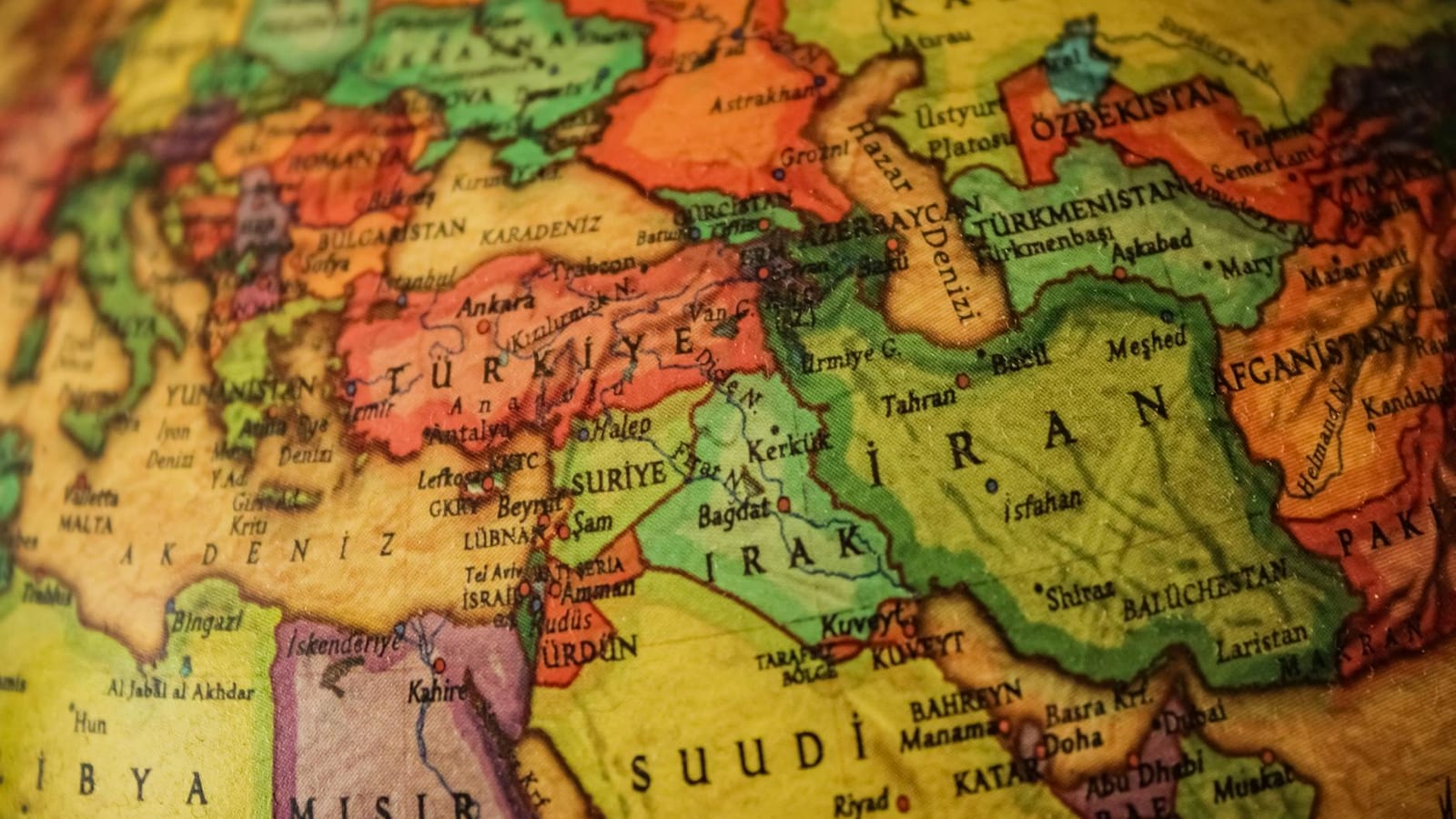
At a petrol pump in Dhaka, a fuel queue now says what diplomats often hide. The Middle East war has reached the daily life of South Asia.
That is why Sunday’s hints from Marco Rubio in New Delhi matter well beyond Washington and Tehran. The US Secretary of State said the world could hear good news within hours on a possible agreement with Iran.
For India, this is not distant theatre. It is about oil, shipping, inflation, migrant workers, and one narrow sea lane that quietly powers Asian growth.
Hormuz sits at the centre
US President Donald Trump said a deal had been mostly worked out, though final details remained under discussion. He said the plan includes reopening the Strait of Hormuz, the narrow passage Iran has effectively blocked since the war began.
That one sentence explains why global capitals are watching so closely.
The Strait of Hormuz is not just another shipping route. It is the exit gate for much of the Gulf’s oil and gas. When it slows, fuel buyers from Asia start sweating first.
Bangladesh has already felt the heat. Its government launched an international tender for offshore oil and gas exploration on Sunday. Energy Minister Iqbal Hasan Mahmood said fuel drives development, and contracts would serve national interest.
That sounds routine. It is not.
Bangladesh imports about 95 percent of its oil and gas needs. Much of it comes through Middle East supply lines. With shipments through Hormuz nearly frozen, fuel shortages have led to long petrol queues and power cuts.
India is bigger and better buffered. But we are not immune. A sharp rise in crude prices hits transport, food, fertilisers, aviation, and household budgets. A trucker pays more for diesel, a vegetable seller pays more for movement, and a family pays more without always knowing why.
Washington wants a nuclear track
Rubio said the possible agreement would address American concerns over Hormuz. He also said it could begin a process toward a world that does not fear an Iranian nuclear weapon.
That second part matters as much as the first.
The US and Israel launched the war against Iran on February 28. Since then, the conflict has spread pressure across the region. Lebanon, shipping lanes, energy markets, and Gulf diplomacy all now sit inside the same crisis.
Trump wrote that the United States, Iran, and several Middle Eastern countries had largely negotiated a proposal. He said he had spoken with leaders from Saudi Arabia, the UAE, Qatar, Pakistan, Turkey, Egypt, Jordan, and Bahrain.
He also said a separate conversation with Israeli Prime Minister Benjamin Netanyahu went well.
Read that list carefully. It shows the real map of power. The Gulf states want oil to move. Pakistan wants diplomatic relevance. Turkey and Egypt want a seat at the table. Israel wants Iran contained.
India, meanwhile, hosted Rubio as these comments landed. That is not a small detail. New Delhi is not the mediator here, but it is directly exposed to the outcome.
India buys energy, sends workers to the Gulf, trades through these waters, and balances ties with Washington, Tehran, Israel, and Arab capitals. Few countries have to keep so many doors open at once.
Europe welcomes cautious progress
European Commission President Ursula von der Leyen welcomed movement toward an agreement. She said any deal must truly reduce the conflict and protect navigation through Hormuz.
British Prime Minister Keir Starmer also backed the progress. He said Britain would work with partners to turn the moment into a long-term diplomatic settlement.
The words are careful because nobody wants to celebrate too early.
In West Asia, announcements can move faster than facts. A ceasefire can exist on paper while drones, rockets, and air strikes continue. A maritime opening can be promised before insurers trust the route again.
For businesses, the difference is huge.
A shipping company does not resume normal movement because a politician posts a message. It waits for security guarantees, insurance clarity, and port-level instructions. Oil traders also wait for proof that tankers can pass without disruption.
That means Indian consumers may not feel relief immediately, even if a deal is announced. Prices often rise quickly during panic, but fall slowly once the danger eases.
The Reserve Bank of India watches such shocks closely. Higher imported fuel costs can feed inflation. That can complicate interest-rate decisions, especially for young professionals paying home loans and small firms borrowing working capital.
Lebanon shows the war’s spread
Even as diplomacy moved, Israel’s military asked residents of about a dozen villages in south and east Lebanon to evacuate. It said it planned action against Hezbollah, the Iran-backed group.
Israeli military spokesperson Avichay Adraee said the army had to act because Hezbollah had violated the ceasefire. The warning covered 11 locations.
Lebanon’s civil defence authority also said an Israeli strike destroyed its regional centre in Nabatieh. It reported major damage to vehicles and equipment, but no injuries among staff, who had already shifted elsewhere.
The authority condemned the strike on a rescue facility. Lebanon’s health ministry says 123 rescuers and health workers have died since the conflict reached Lebanon on March 2.
These details matter because they show how hard any settlement will be.
The US and Iran may agree on Hormuz. They may even start a nuclear process. But Hezbollah, Israel, Lebanon, and other armed networks create parallel fires. One spark can undo a neat diplomatic sentence.
Iran also executed a man on Sunday for allegedly passing defence industry information to the US and Israel. The judiciary identified him as Mojtaba Kian. It said the information had helped target one position during the war.
That execution sends a message inside Iran. Even during talks, Tehran wants to show it will punish suspected collaboration harshly. Diplomacy abroad often comes with pressure at home.
Pakistan, for its part, wants to host another round of talks soon. Prime Minister Shehbaz Sharif said Islamabad would continue peace efforts sincerely. An earlier session in Islamabad on April 11 did not produce a breakthrough.
For India, Pakistan’s role will draw quiet attention. New Delhi will not want Islamabad to convert mediation into diplomatic capital at India’s expense. But India’s larger interest remains clear: keep the Gulf stable and the sea lanes open.
The hard truth is simple. A possible US-Iran agreement may calm oil markets, reopen a vital route, and reduce one immediate fear. But it will not erase the deeper contest over Iran’s nuclear programme, Israel’s security, and regional power.
For ordinary Indians, the story will show up in less dramatic ways. Petrol prices, airfares, fertiliser costs, export bills, and Gulf remittances all sit in this chain. If Hormuz opens and stays open, households may never notice the crisis that almost reached them. If it does not, the next shock will not feel foreign at all.