US-Iran strikes put Gulf oil routes on edge for India
US and Iranian strikes have raised Gulf tensions, putting oil routes, shipping costs and the safety of Indian workers in West Asia under watch.
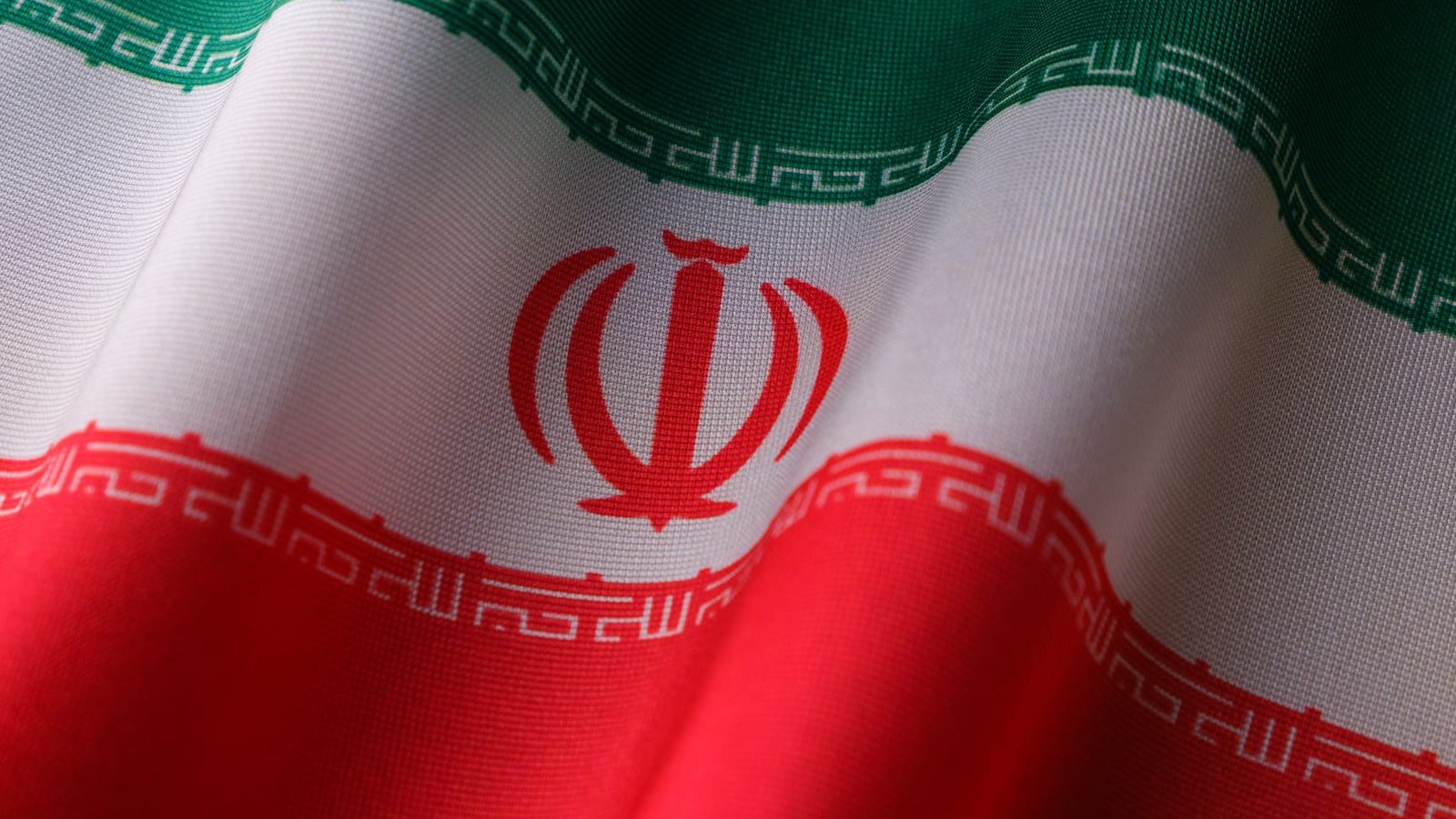
A drone shot down over international waters has now pulled the Gulf closer to open war.
The United States says it struck Iranian radar and drone command sites over the weekend. Iran says it hit back at an airbase used by American forces. In West Asia, this is how crises often move. One strike becomes a reply. One reply becomes a wider map.
For India, this is not distant thunder. The Gulf is where millions of Indians work, where much of our oil passes, and where shipping nerves can shake petrol prices back home.
US strikes raise Gulf temperature
US Central Command said American aircraft attacked Iranian targets in Goruk and on Qeshm island. It said the strikes followed what it called aggressive Iranian actions, including the downing of a US MQ-1 drone over international waters.
Centcom said the operation destroyed air defence systems, a ground control station and two drones. It also said no American soldiers were hurt.
Iran’s Revolutionary Guard, through state-linked channels, gave its own version. It said it targeted an airbase used by the US for an attack on a telecommunications tower on Sirik island in southern Iran.
That is the danger now. Both sides describe their actions as defensive. Both insist the other side started it. In such a climate, even a limited strike can become a political test of strength.
US President Donald Trump told critics to “relax” and said things would work out in the end. He also claimed Iran wanted a deal badly. But Tehran’s public line shows little trust.
Iranian foreign ministry spokesman Esmaeil Baghaei said talks began in deep suspicion. He accused the US side of changing positions and adding demands. He also linked US policy with Israeli military action in the region.
Lebanon front keeps widening
The fighting has not stayed between Washington and Tehran. Israel and Hezbollah are again pushing Lebanon toward the edge.
Lebanon’s state agency said eight people died and 19 were injured in an Israeli attack in southern Lebanon overnight. Israeli Prime Minister Benjamin Netanyahu later announced fresh strikes on Hezbollah targets in Beirut’s southern suburbs.
Those suburbs, known as Dahiyeh, are seen as a Hezbollah stronghold. But they are also packed with civilians. That is the grim arithmetic of this war. Military targets sit inside crowded neighbourhoods, and ordinary families carry the risk.
Hezbollah has stepped up rocket and drone fire into northern Israel. Air raid sirens have sounded repeatedly in Israeli towns near the Lebanese border. Schools have closed in some areas, and daily life has narrowed around shelter alerts.
Israel’s army said it captured the Beaufort fortress in southern Lebanon. The medieval hilltop site has long carried military value because it overlooks key terrain. Israel said the move aimed to control the Beaufort ridge and Wadi al-Saluki area.
The Israeli army said one soldier died in the fighting. Defence Minister Israel Katz said troops raised the Israeli flag there. Israeli officials described the fortress as part of a security zone. Lebanese leaders view such areas as occupied Lebanese land.
That phrase, security zone, will sound familiar to anyone who follows West Asia. It often starts as a temporary military buffer. It can then become a permanent grievance.
Iran wants money before trust
The diplomacy track is moving, but slowly. Iran says it will not sign a framework deal with the US unless it receives concrete benefits first.
Mohammad Bagher Ghalibaf, Iran’s parliament speaker and chief negotiator, said Tehran would not depend on promises. He said Iran wanted actions before it took further steps.
Iranian reports say Tehran wants $12 billion in frozen foreign assets released after a preliminary agreement. It also seeks at least $24 billion in total. For Iran, this is not just diplomatic theatre. Its economy is under harsh strain.
High inflation has squeezed the Iranian middle class. Local reports describe households struggling to buy food by the middle of the month. That kind of pain shapes politics. Sanctions become personal when salaries stop covering groceries.
Trump, however, said the US was not discussing sanctions relief or money for Iran right now. He said Washington controlled assets claimed by Iran, and linked any release to Iranian behaviour.
This is where negotiations become messy. America wants pressure to produce concessions. Iran wants money released before it trusts the process. Each side wants the other to blink first.
For Indians watching this, the lesson is plain. Sanctions are not abstract tools. They move through banks, ports, oil contracts and household budgets. A dispute in the Gulf can quickly reach a fuel pump in Pune or a shipping firm in Kandla.
Hormus anxiety reaches India
The Strait of Hormus is the narrow passage that makes this crisis global. A huge share of the world’s seaborne oil moves through it. When tensions rise there, energy markets listen before diplomats finish speaking.
The US Treasury said Americans cannot make arrangements with Iran for safe passage through the Strait of Hormus. It said this applies even without payment. Washington also warned against dealings with a new Iranian body linked to the waterway.
US officials said Iran had created a “Persian Gulf Strait Authority” to collect fees from ships. The US sanctions office treats contact with that body as risky under sanctions rules.
Centcom also said US forces disabled a ship in the Gulf of Oman. The vessel, named M/V Lian Star, flew a Gambian flag. US officials said it moved toward an Iranian port despite repeated warnings under a US blockade.
For India, maritime risk is not a newspaper map. It affects crude imports, freight costs, insurance premiums and delivery timelines. Even rumours can raise costs when ships and insurers price in danger.
Kuwait also reported hostile missile and drone attacks. Its army said air defences were active and urged citizens to follow security instructions. It did not say where the attacks came from or what the targets were.
The Gulf is home to large Indian communities. When air alerts sound in Kuwait or elsewhere, families in Kerala, Telangana, Uttar Pradesh and Punjab start making worried calls. Remittances, jobs and safety all sit inside this story.
Britain’s foreign secretary Yvette Cooper called for an end to escalation in Lebanon. Germany’s development minister Reem Alabali Radovan travelled to Lebanon to assess displacement and relief needs. German officials also warned that more fighting could make parts of Lebanon unlivable.
Those statements matter, but they may not be enough. West Asia has entered another phase where military moves are outrunning diplomacy.
For ordinary Indians, the immediate question is simple. Will this raise fuel prices, endanger workers abroad, or disrupt trade? The honest answer is that it might, if the fighting spreads or Hormus becomes harder to navigate. India will now need quiet diplomacy, sharper evacuation planning, and a steady energy strategy. In the Gulf, distance has always been deceptive. What happens there rarely stays there.