US Iran War Vote Collapse Raises India Oil Risks
US lawmakers' stalled Iran war vote keeps Gulf tensions in focus for India, with crude prices, migrant workers and airline routes exposed to escalation.
A vote cancelled in Washington can still pinch a family budget in Mumbai.
That is the strange route this Iran crisis has taken. A fight over war powers in the US Congress now sits beside oil tankers, Gulf shipping lanes, Israeli air strikes, and petrol prices.
For India, this is not distant theatre. It is about crude oil, migrant workers in the Gulf, airline routes, and a world where one misfire can raise costs across the kitchen table.
Trump faces a Congress pushback
Republican leaders in the US House of Representatives abruptly pulled a planned vote on the Iran war after signs that President Donald Trump could lose.
Mike Rogers, who chairs the House Armed Services Committee, blamed missing lawmakers. Democrat Gregory Meeks gave a sharper reading. He said Republicans withdrew the proposal because opponents had the votes.
The resolution would have pushed Trump to end military action against Iran or seek approval from Congress. In simple terms, lawmakers want a say before America goes deeper into another Middle East war.
The US Senate has already moved a similar resolution forward. The vote there was 50 to 47, helped by some Republican absences and cross-party unease.
This does not end the war. Even if Congress passes the resolution, Trump can veto it. But it shows something important. America’s own political class is no longer moving in one straight line on Iran.
Netanyahu and Trump diverge
The bigger drama may be inside the alliance itself. Trump and Israeli Prime Minister Benjamin Netanyahu reportedly clashed over how to handle new peace proposals.
Qatar, Pakistan, and other partners have tried to narrow the gap between Washington and Tehran. Trump has suggested that talks look serious enough to delay another strike.
Netanyahu appears far less convinced. Reports citing people familiar with the call say he wants to keep military pressure on Iran.
That split matters. Israel wants to weaken Iran’s military capacity as much as possible. Trump wants to project strength, but he also wants a deal he can sell at home.
Those goals can overlap for a while. They can also collide very quickly.
For India, this is the old Middle East lesson again. Alliances look firm in public, but private interests decide the next move.
New Delhi will watch this carefully. India has ties with Israel, steady channels with Iran, and deep stakes in the Gulf. It cannot afford a simple camp-based approach.
Hormuz becomes the pressure point
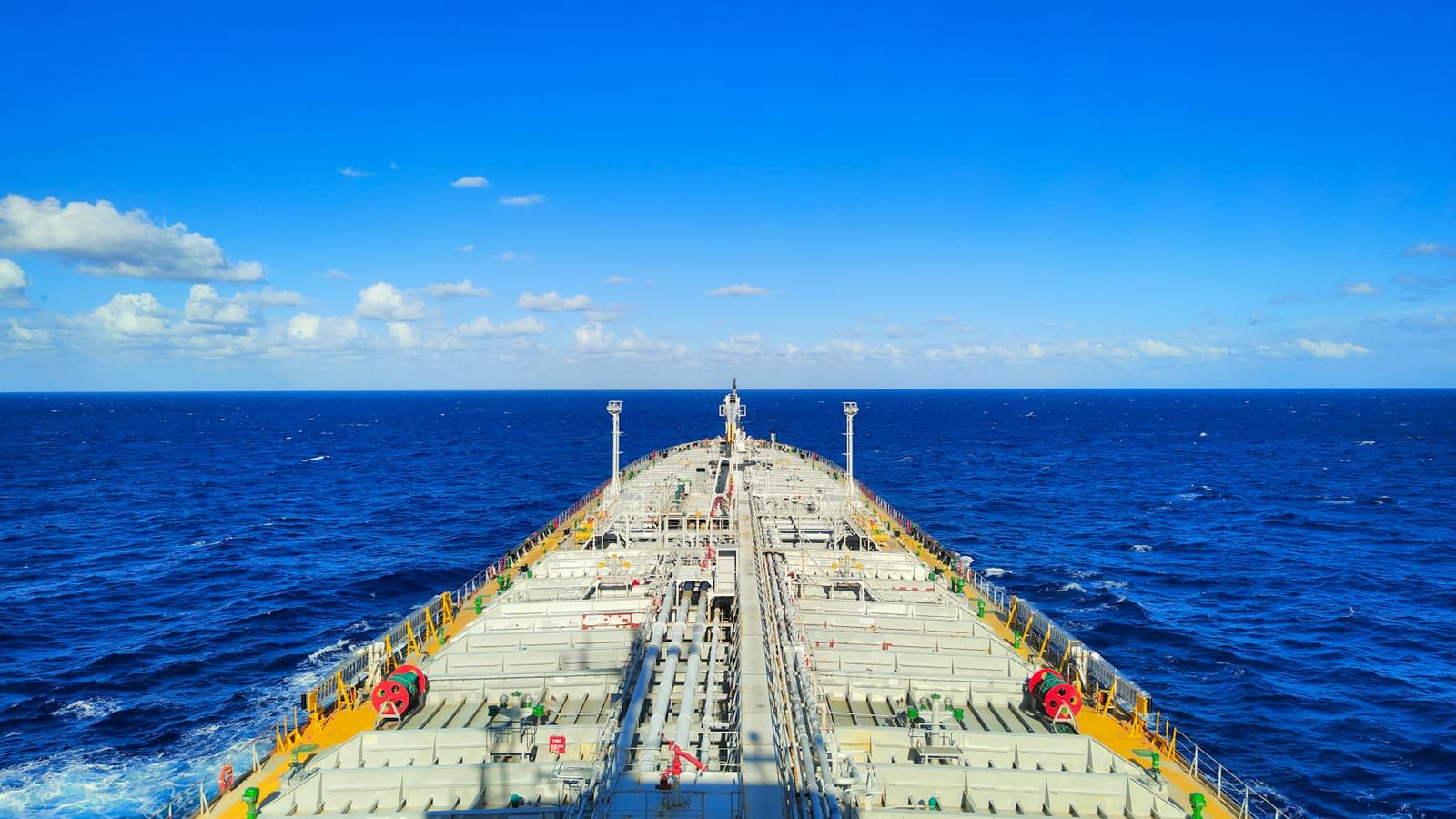
The Strait of Hormuz is where geopolitics turns into a fuel bill.
Iran says 26 ships crossed the narrow waterway in the past 24 hours. It says the movement happened with coordination from the naval arm of the Islamic Revolutionary Guard Corps.
Tehran has also created a new authority to oversee shipping in the Gulf passage. It says vessels must coordinate before crossing. It treats unauthorised passage as illegal.
That is not a small claim. Hormuz carries a huge share of global energy trade. When ships slow down there, oil markets react fast.
Iran has said the waterway is mined. It also says it wants to work with Oman and others on safe shipping rules. Both messages cannot be ignored.
One message says Tehran wants control. The other says it wants order. Markets hear the first one louder.
Indian refiners, airlines, and transport firms will feel any shock first. Then the cost travels outward. Diesel affects trucks. Trucks affect vegetables, cement, medicines, and factory parts.
A kirana store owner may never follow the Strait of Hormuz. But freight costs can still change his monthly margins.
Lebanon pays the human price
The Iran war has already spilled into Lebanon, where Israel and Hezbollah continue to trade fire despite a ceasefire.
Lebanon’s health ministry said Israeli air strikes killed at least 19 people and injured 32 more. Officials said one strike killed ten people in a house in the south, including three children.
Hezbollah, backed by Iran, has claimed attacks on Israeli soldiers in southern Lebanon. Israel says it targets Hezbollah infrastructure and accuses the group of using civilian cover.
Lebanese authorities reject that charge. They say medical workers, ambulances, and health centres have come under attack.
Lebanon’s health minister Rakan Nassereddine told WHO chief Tedros Adhanom Ghebreyesus that 116 health workers had died since early March. He also reported damage to hospitals, health centres, and ambulances.
These figures come from parties inside the conflict and need caution. But the pattern is grim enough. Once war enters clinics and roads, civilians lose even basic safety.
India has seen this before from afar. Every Middle East flare-up becomes a worry for families with relatives working in the region.
The anxiety is not abstract. It is about whether flights run, salaries arrive, and remittance channels stay calm.
Oil politics bends old rules
The energy squeeze is already forcing uncomfortable choices.
Britain has eased restrictions on some fuels refined from Russian oil in third countries. The move covers products such as aviation fuel and diesel.
The reason is simple. The Hormuz crisis has made fuel supply tighter and costlier. British petrol prices have climbed to levels not seen since late 2022.
That decision carries a larger message. When energy prices bite, even strong sanctions can bend.
For India, this is familiar ground. New Delhi has faced Western criticism for buying Russian crude since the Ukraine war began. India has argued that affordable energy is a national need, not a slogan.
Now the same logic is appearing elsewhere. When households and airlines feel the pinch, moral certainty often meets the petrol pump.
This does not make the war in Ukraine less serious. It does show how fragile Western energy policy becomes when the Gulf heats up.
The US is also using diplomatic pressure on Palestinian representation at the United Nations. A State Department communication has warned of visa action if Palestinian envoy Riyad Mansour pursues a senior UN General Assembly role.
Washington argues the move could hurt Trump’s Gaza plan. Palestinians have not publicly accepted that framing.
Seen from India, the message is clear. The Middle East crisis is no longer one front. It is Iran, Israel, Lebanon, Gaza, Gulf shipping, Russia sanctions, and UN diplomacy all at once.
That is why New Delhi will avoid loud posturing. It will keep phone lines open, watch crude prices, and protect Indians in the Gulf.
The real test will come if Trump orders fresh strikes, or if Hormuz tightens again. Then the story will move from foreign pages to Indian fuel bills, airline fares, and inflation worries. Ordinary people may not track every vote in Washington, but they will know when the cost reaches home.