Heat Drives North India Families Back To Hill Towns
As north India's plains swelter, Shimla and Manali see heavier summer travel, with weather alerts and bus services shaping family holiday plans.
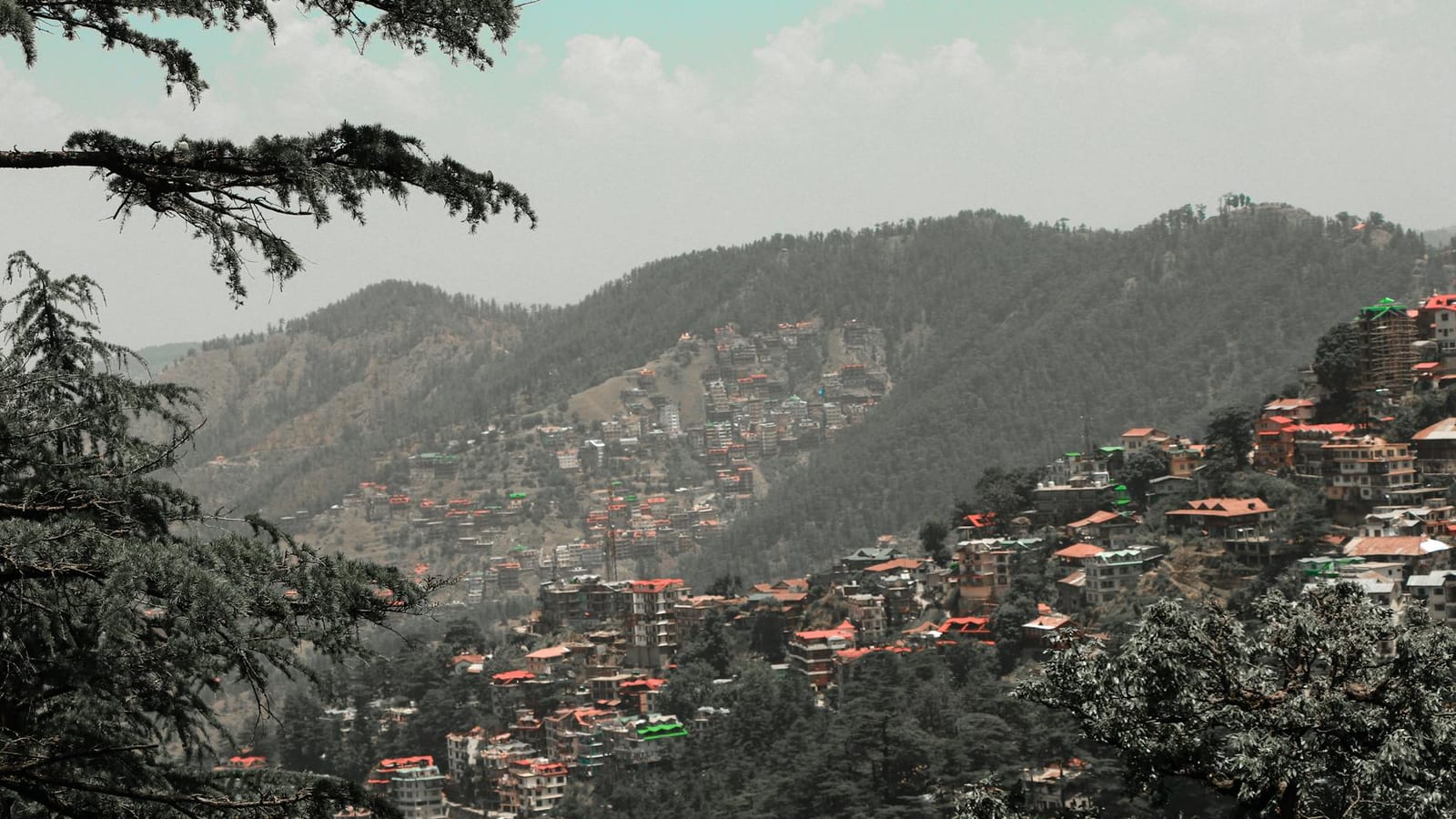
The summer holiday now begins with one nervous question: will the hills still feel like the hills?
Across north India, families are looking at the same map. Delhi is too hot, the plains feel punishing, and hill towns promise relief. Yet the mountains are no longer the simple escape they once were.
This week, that change showed up clearly. Tourists crowded hill destinations, weather alerts followed them, and a key long-distance bus route prepared to return for the season.
Heat is rewriting holiday plans
In Himachal Pradesh, tourist traffic has climbed as people flee the heat in the plains. The pull is easy to understand. When afternoon temperatures turn daily life into a test, even a short mountain break feels necessary.
Shimla and Manali are again seeing heavy visitor movement. These are not just vacation spots now. For many urban families, they have become summer survival destinations.
The social signal is clear. Travel is no longer only about leisure. It is also about comfort, clean air, sleep, and giving children a break from harsh heat.
That shift matters for hotels, cafes, taxi operators, and small homestays. A strong summer crowd can rescue seasonal earnings. But it also tests roads, parking, water supply, waste systems, and local patience.
The mountains feel less predictable
The old summer script was simple. Plains got hot, hills stayed cool, and tourists packed woollens for the evening. That script now looks shaky.
Himachal has seen heat alerts in several districts, even as Shimla reported hail. Weather advisories also warned of storms and strong winds. That mix can confuse any traveller.
A family may leave home expecting relief. By the time they reach the hills, they may face traffic, rain, hail, or sharp sun. That makes planning harder for both tourists and local businesses.
The same uncertainty has appeared across Himalayan states. In Uttarakhand, authorities flagged changing weather near Badrinath after a glacier broke near the shrine area. Reports also mentioned concern over altered snowfall patterns.
This is where lifestyle and climate now meet. A holiday plan, a wedding shoot, a school break, or a weekend drive can suddenly depend on weather behaviour that feels less familiar.
Delhi-Leh bus returns tomorrow
The seasonal travel calendar will get another big marker on May 26, 2026. HRTC will restart the Delhi-Leh bus service, a route loved by budget travellers and mountain regulars.
For many Indians, this route carries a certain romance. It connects the plains to some of the highest and most dramatic landscapes in the country. It also offers a cheaper alternative to flights.
But this is not just a pretty journey. It is a demanding road trip through changing altitude, weather, and terrain. Passengers need patience more than luxury.
The return of the service says something about Indian travel taste. Young travellers, backpackers, and working professionals still want big journeys. They want places that feel earned, not merely booked.
At the same time, transport agencies must read weather and road conditions carefully. A mountain route is not like a city shuttle. One landslide, storm, or traffic jam can change the entire day.
Homestays face closer scrutiny
Tourism growth has also brought sharper checks. In Dehradun, authorities cancelled registrations of 103 homestays. The action shows that hill tourism is entering a stricter phase.
For travellers, homestays once meant warmth, affordability, and a local touch. For owners, they opened a path to income without building a full hotel.
But rapid growth brings problems. Some properties may ignore paperwork. Others may stretch safety rules. Local neighbourhoods can feel the pressure of noise, waste, and traffic.
This is not only a regulation story. It is about the future shape of hill tourism. If the hills become crowded without rules, both locals and visitors lose.
A good homestay economy needs trust. Guests want safety and cleanliness. Owners want steady bookings. Towns need basic order. Regulation, done fairly, can protect all three.
A new Indian summer habit
The bigger picture is hard to miss. Heat is pushing Indians to travel differently. Hill stations are no longer seasonal luxuries for a few weeks. They are becoming part of how urban families cope.
This creates opportunity. Small cafes, drivers, guides, fruit sellers, guesthouse owners, and local markets can gain from the rush. A full tourist season can mean school fees, repairs, and saved loans for many families.
But pressure is rising too. Hill towns were not built for endless vehicles and sudden crowds. Water shortages, waste piles, and traffic jams can quickly turn a dream break into stress.
There is also a taste shift underway. Travellers want cooler places, but also cleaner stays, safer roads, reliable weather updates, and better public transport. The old “just go to the hills” approach is fading.
For ordinary readers, the message is simple. Summer travel in India is changing because summer itself is changing. The hills will remain precious, but they will need more care, sharper planning, and better rules. The next holiday may still bring relief, but it will also ask for more awareness from everyone who makes that journey.