Shimla hotels fill up as rain alert slows summer rush
Shimla hotels are packed as summer travellers head uphill, but long traffic queues and a Himachal rain alert are making the June break harder.
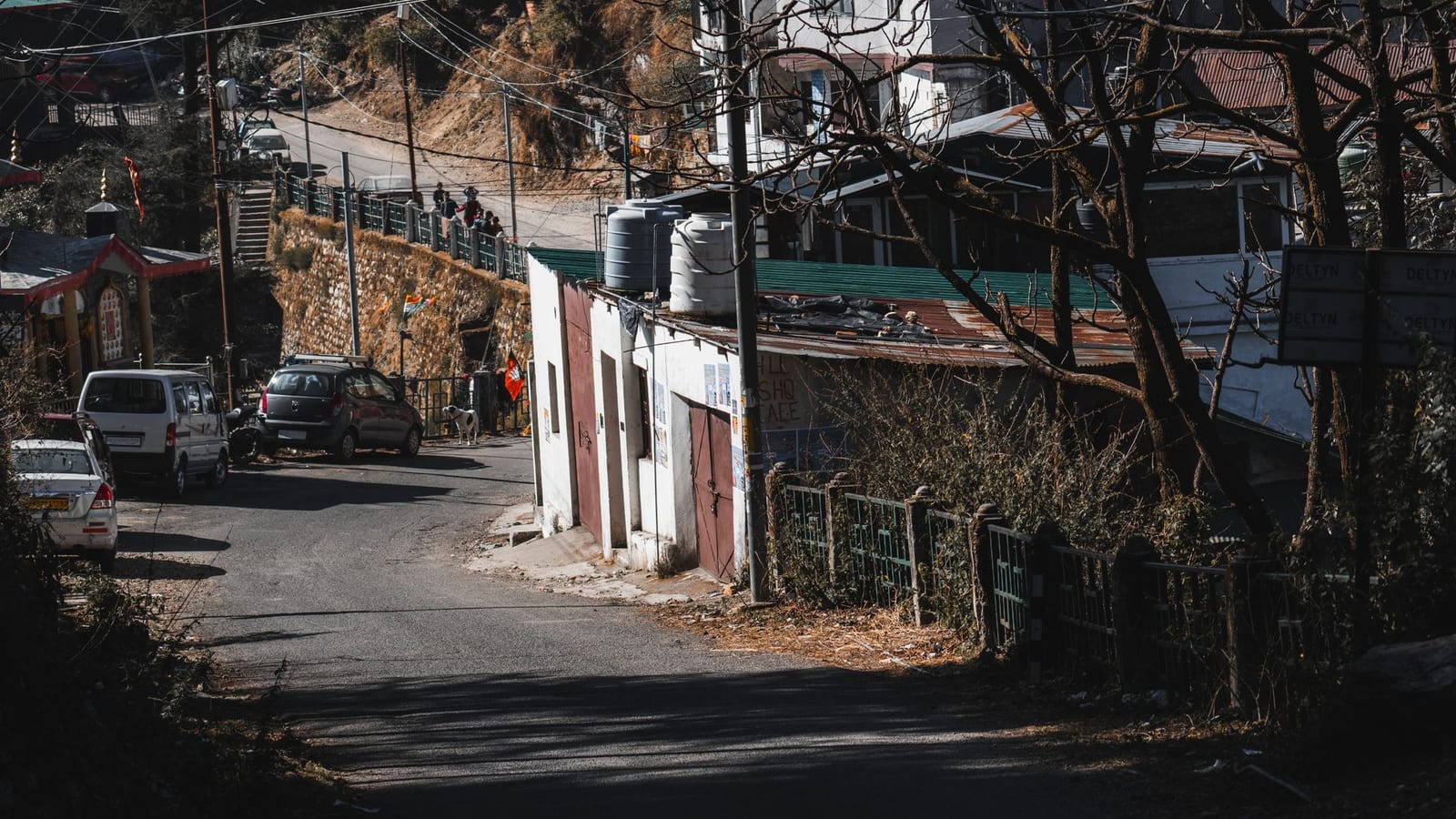
North India’s summer escape now looks less like a holiday and more like a test of patience.
In Shimla, hotels have filled up as families and young travellers rush uphill for relief from the heat. But the same trip now comes with long vehicle queues, rain warnings, and the uneasy feeling that the hills are becoming too crowded for their own comfort.
The timing is classic June India. The plains sweat, schools shut, and the mountains call. This year, though, the call has come with a yellow alert for rain and thunderstorms in parts of Himachal Pradesh till June 26.
Shimla fills up again
Shimla has always been North India’s most familiar summer address. For Delhi, Chandigarh, Punjab, Haryana, and western Uttar Pradesh, it is close enough to drive to and cool enough to justify the trouble.
That trouble is now part of the package. Recent local updates pointed to packed hotels and long lines of vehicles heading into the hill city. The old summer ritual remains alive, but it has become more crowded, more expensive, and less relaxed.
For hotel owners, this is the season that can make the year. A strong June crowd means rooms sell faster, restaurants stay busy, taxi drivers get more work, and small shops see steady footfall.
For visitors, the same rush means less room to breathe. A family that leaves before sunrise may still lose hours on approach roads. A quick weekend break can easily become a long traffic crawl with a mountain view.
This is the strange bargain of Indian hill tourism now. Everyone wants the same clean air, cool breeze, and mall road stroll. The result is that the search for quiet often creates the very noise people wanted to escape.
Heat drives hill travel
The big driver is not hard to understand. Much of North India has spent weeks dealing with punishing heat. Even when temperatures dip slightly, homes without strong cooling still feel trapped by hot nights.
So Shimla becomes more than a tourist spot. It becomes emotional relief. Parents want children to sleep better. Young professionals want a break from city dust. Older travellers want familiar comfort without flying across the country.
This is why the hills see a rush even when travel is messy. A kirana store owner in a tier-2 city, a government employee on leave, or a family with school holidays all read the weather the same way. If the plains burn, the hills feel worth it.
But this rush also says something about modern Indian leisure. Travel is no longer only about sightseeing. It is about climate, mood, and status. A hill trip signals that a family can step away, even briefly, from the pressure cooker of urban life.
Social media has sharpened this urge. A cool evening in Shimla, a plate of momos, and a photo on a crowded street can still feel like a proper summer win. Even if the road there took six hours.
Rain warnings complicate plans
The catch is the weather. Himachal has seen alerts for rain and thunderstorms around June 22 to June 26. A yellow alert does not mean panic. It means travellers and local authorities must stay watchful.
In simple terms, hill rain changes the risk quickly. A shower in the plains may only slow traffic. In the mountains, it can trigger slippery roads, falling stones, waterlogging, and sudden jams.
That matters because Shimla already carries more traffic than its old roads were built for. When tourist vehicles, local commuters, buses, taxis, and delivery vehicles all meet in bad weather, delays multiply.
The India Meteorological Department usually uses colour-coded alerts to help people understand risk. Yellow is the first serious nudge. It tells people to watch the weather, avoid careless travel, and expect disruption.
For tourists, this means the old idea of simply driving uphill needs more planning. Hotel bookings may be easy for those who pay early. Road time, parking, and safe return windows are now the harder parts.
For locals, rain-time tourism can feel double-edged. Business improves, but daily life becomes slower. School runs, hospital visits, office commutes, and supply movement all get caught in the same tourist pressure.
Hills face a capacity test
Shimla’s crowding is not a one-season story. It is part of a larger question facing India’s hill towns. How many people can a mountain city host before the charm starts hurting the place?
The answer is not simple. Tourism supports thousands of livelihoods. Hotels, homestays, cafes, porters, drivers, guides, fruit sellers, and woollen shops depend on visitors. Cutting tourist numbers without thought would hit ordinary workers first.
But ignoring pressure is not an option either. Roads, drains, parking lots, waste systems, and water supply all have limits. When those limits break, both tourists and locals suffer.
This is where Himachal’s tourism model needs sharper thinking. Better traffic management, clearer weather advisories, advance parking systems, and stronger public transport can reduce the pain. These are not glamorous fixes, but they matter.
The Himachal Road Transport Corporation also sits inside this wider picture. Public buses can move more people with less road pressure, if routes, frequency, and last-mile access work well.
Hill tourism cannot depend only on private cars forever. The roads do not stretch just because more families can afford weekend travel. At some point, convenience for one visitor becomes congestion for everyone.
A changing summer habit
There is also a cultural shift here. Indian families once planned one big annual vacation. Now many urban and semi-urban households prefer shorter breaks, often around heatwaves, long weekends, and school calendars.
That makes destinations like Shimla more vulnerable to sudden surges. A weather forecast, a holiday window, and a few viral reels can push thousands of people in the same direction.
The travel industry likes this demand, naturally. Hotels raise occupancy, cafes add tables, and travel agents sell quick packages. But the better operators now know that comfort matters as much as arrival.
A guest who spends half the trip stuck in traffic does not return happy. A family that sees overflowing bins and chaotic parking may still post photos, but it remembers the stress.
The future of hill travel will depend on this balance. Tourists will keep chasing cool air. Local economies will keep needing them. The question is whether planning can catch up before the hills feel exhausted.
Shimla’s packed hotels and rain alerts tell a bigger summer story. India is travelling more, spending more, and escaping heat more often. But the mountains are quietly asking for a new deal, one where a holiday does not become a burden for the very places that make it possible.