BCCI Orders IPL Teams To Tighten Player Hotel Access
BCCI has warned IPL 2026 franchises to restrict hotel room access, verify visitors and protect players from security risks during the season.
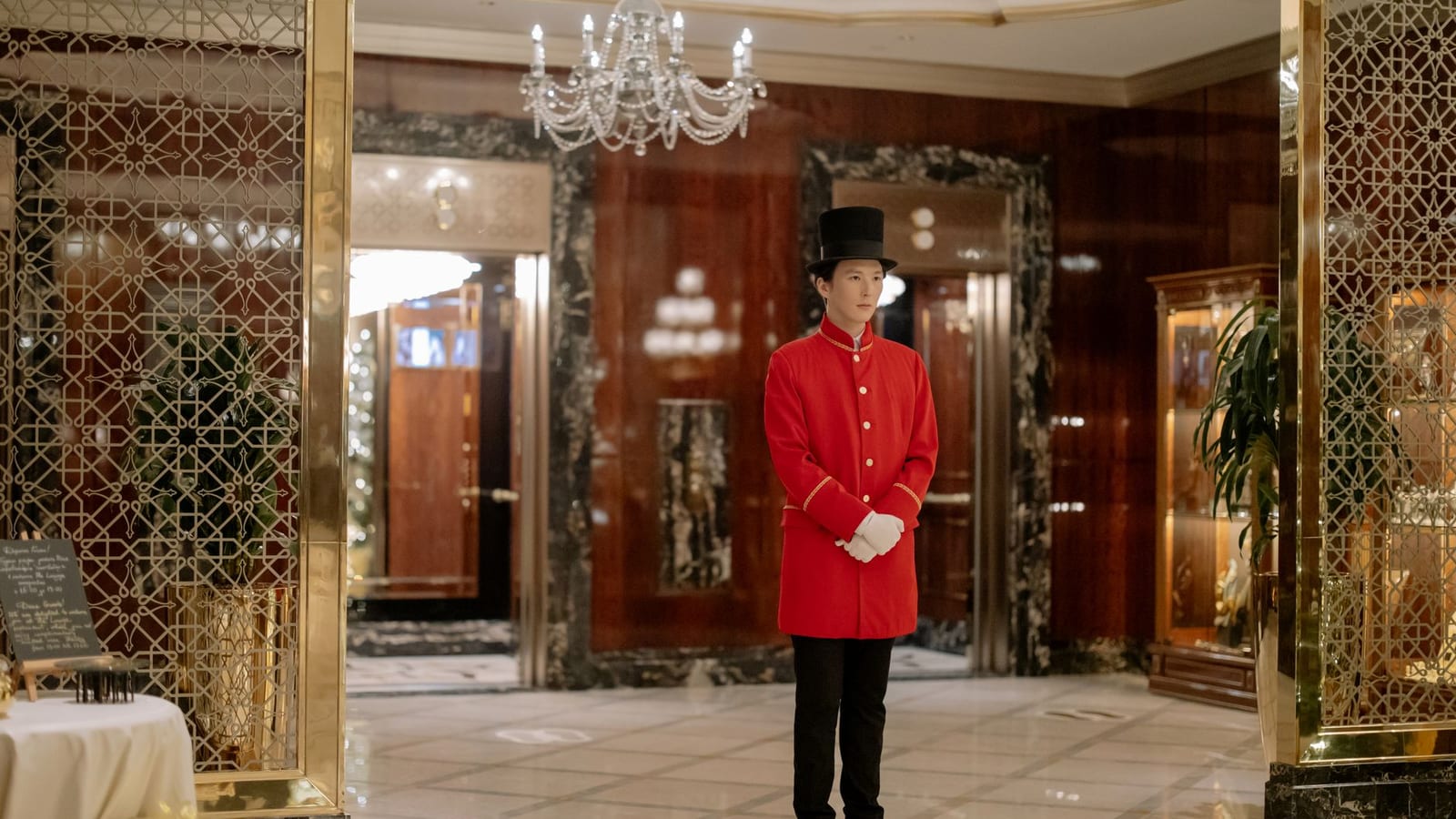
One loose hotel visit can now become a serious cricket problem.
The BCCI has put all 10 teams in IPL 2026 on alert after concerns over player security, hotel access, and possible honey-trap attempts during the tournament.
The season has already crossed its halfway mark. But behind the sixes, sold-out stands, and selection chatter, the board now wants franchises to tighten the most basic rule in professional sport: know who is around your players.
BCCI tightens hotel access
The board has sent an 8-page advisory to every IPL franchise. It covers players, support staff, team officials, and even team owners.
The central message is simple. No unknown person can enter a player’s hotel room, team area, or dressing room without approval.
Even if a visitor claims to know a player, the team manager must know first. Written permission becomes necessary before anyone gets private access.
Guests can meet players only in public hotel spaces, such as the lobby or reception lounge. The private floors and rooms are now off limits without clearance.
This may sound strict. But in a tournament like the IPL, information has value. Team combinations, injuries, tactical plans, and player availability can all move betting markets.
That is why the board’s concern is not only about personal conduct. It is also about match integrity.
Honey-trap warning reaches teams
The advisory warns franchises about honey-trap risks during high-profile tournaments. In plain English, that means strangers may try to build personal contact with players to extract sensitive information.
Sometimes the target is not even the biggest star. A reserve player, analyst, masseur, or junior support staff member may know enough to be useful.
That is the uncomfortable truth of modern cricket. Dressing-room information can travel through the smallest opening.
The IPL is not just cricket anymore. It is a travelling business machine with hotel floors, sponsor events, private dinners, security teams, and social media pressure.
Players live inside that bubble for weeks. Young cricketers, especially first-time IPL players, can find it difficult to judge attention from strangers.
Some attention is harmless. Some may not be.
The BCCI has also reminded teams about legal risks linked to sexual harassment complaints. The warning appears aimed at preventing messy situations before they begin.
For players, this means everyday discipline. Keep accreditation cards visible. Avoid private meetings with unknown visitors. Report anything odd to the team manager.
It is not glamorous. But sport at this level often runs on such dull rules.
Owners and officials face limits
The advisory also places limits on owners and senior franchise officials. During matches, they cannot meet, speak to, or instruct players and support staff in restricted areas.
That applies to the dugout and the dressing room.
This point matters more than it first appears. IPL owners often carry strong public profiles. Some are celebrities. Some are powerful business figures.
But the dugout is not a boardroom. Once a match begins, cricket decisions must stay with the captain, coach, and approved support staff.
The board seems keen to protect that line. It wants fewer distractions and cleaner match-day protocols.
Devajit Saikia, the BCCI secretary, has told teams to remain alert and follow the advisory closely.
The board has also said it noticed several breaches of security and other rules during the season. These involved players, officials, and owners.
That detail explains the timing. This is not a routine reminder sent from an office in Mumbai. It follows incidents serious enough to worry the league’s anti-corruption and security setup.
The IPL’s strength is its scale. But scale also creates weak spots.
Every team moves with large groups. Players bring partners, relatives, and friends. Sponsors expect access. Hotels handle crowds. Security staff must separate genuine visitors from risky ones.
One mistake can become a headline by evening.
Surprise checks are coming
The BCCI has now formed a special task force with its own officials and the IPL operations team. This group can inspect team hotels without prior warning.
If officials find unauthorised people in restricted areas, the board can act against the player, support staff member, or team owner involved.
That is a clear escalation.
Surprise inspections send a message to franchises. This advisory is not just paper. The board wants compliance on the ground.
For team managers, the job becomes tougher. They must track guests, permissions, room access, and accreditation more carefully.
For players, life becomes more controlled. They may dislike the extra checks. But most senior players understand why the rules exist.
Cricket has learned this lesson the hard way over many years. The sport cannot treat access casually when illegal betting networks always look for an entry point.
The IPL has world-class broadcast production, packed stadiums, and massive commercial value. But its credibility rests on something quieter: fans believing the contest is clean.
That belief is fragile. It cannot be repaired easily once damaged.
This advisory also shows how modern player safety has changed. Security no longer means only police outside the bus or guards near the dressing room.
It now includes digital messages, hotel corridors, private invitations, and casual conversations after midnight.
For ordinary fans, this may feel like a story from a hidden side of cricket. But it affects what they watch every evening. A secure dressing room protects the match on the field.
The BCCI’s latest move is less about suspicion and more about control. The IPL sells entertainment, but it must run like a serious sporting institution. As the tournament moves towards its business end, teams will need more than form and fitness. They will need discipline off the field too, because one careless meeting can now cost far more than a dropped catch.