BCCI Orders IPL Teams To Tighten Player Hotel Access
BCCI has warned IPL franchises to restrict hotel-room access, keep guest meetings in public areas and guard players against possible traps.
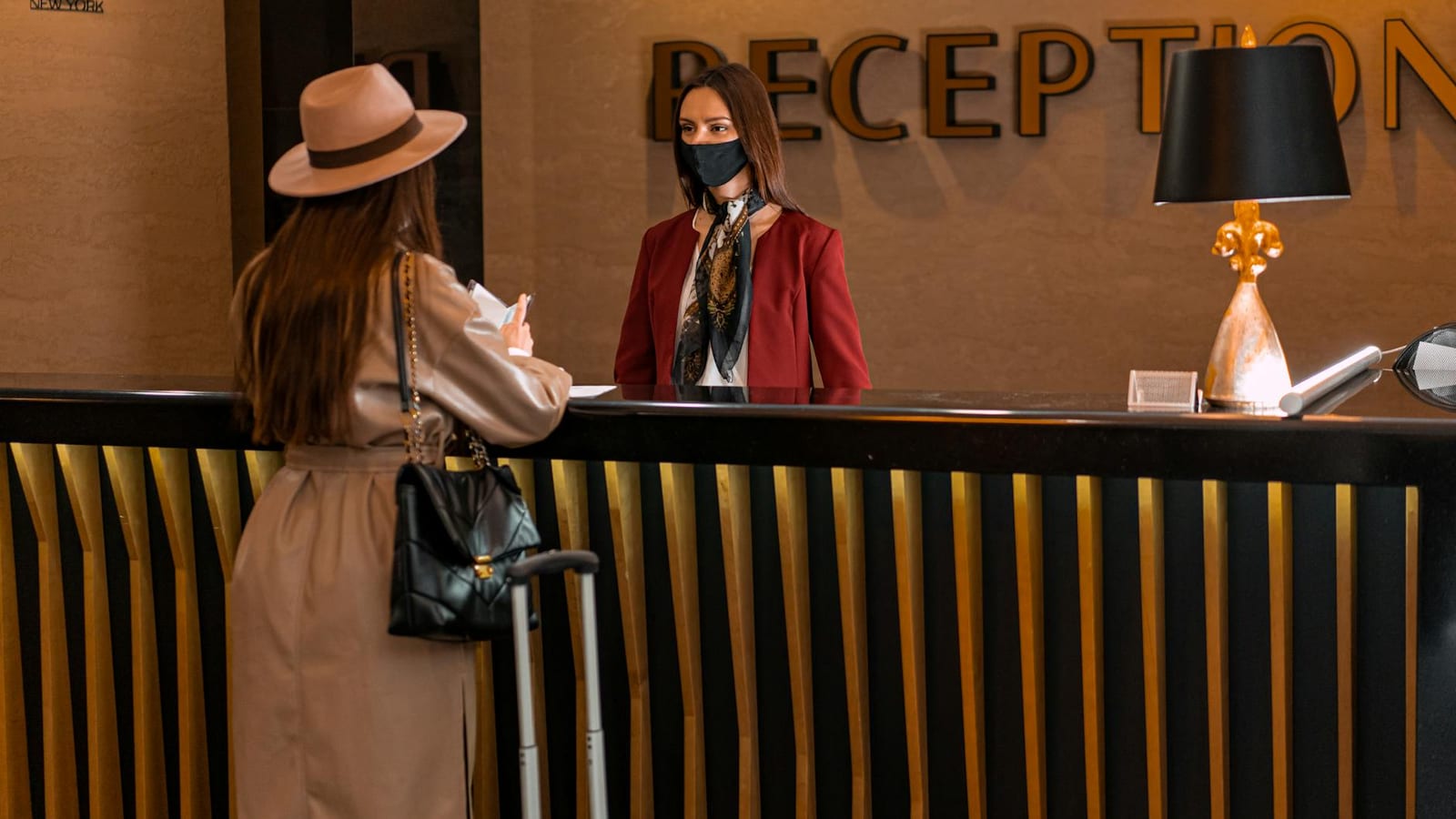
For once, the biggest IPL story is not a six, a yorker, or a selection debate. It is a hotel corridor.
Halfway through IPL 2026, the BCCI has moved into alert mode. The board has warned all 10 franchises about strangers getting too close to players, support staff, and team officials.
The concern is blunt. Unknown people may try to trap players, extract sensitive team information, or create legal trouble. In a tournament where one loose message can travel faster than a powerplay score, the board is tightening the gates.
BCCI tightens IPL access rules
The BCCI has sent an 8-page advisory to all teams. It applies to players, coaches, support staff, franchise officials, and team owners.
The advisory says nobody can enter a player’s hotel room without written permission from the team manager. This applies even if the visitor claims a personal link with the player or staff member.
Guests can meet players only in public hotel areas. That means the lobby or reception lounge. Private rooms are now firmly out of bounds unless the team manager clears it in writing.
This may sound strict to fans who see the IPL as glamour and entertainment. But inside team hotels, access means information. A conversation can reveal injuries, selection plans, batting orders, or dressing-room tension.
In cricket, that is not gossip. It can become valuable information for betting networks, rival camps, or anyone hunting influence.
Honey-trap fears unsettle franchises
The BCCI’s advisory warns teams about honey-trap attempts during high-profile tournaments. In simple words, a honey trap is when someone uses personal charm, romance, or intimacy to gain access or control.
The board believes such risks rise during the IPL because players live under intense public attention. They move between airports, hotels, stadiums, sponsor events, and team dinners. That creates small gaps in security.
The advisory followed concerns raised by the board’s anti-corruption unit. The unit flagged the danger of players or staff getting drawn into contact with unknown people.
The problem is not only moral panic. It is also about information leaks. A player may not even realise that casual chatter can carry match value.
A young fast bowler talking about soreness, for example, may think he is saying nothing important. But in the IPL, even a hint about fitness can move markets and narratives.
The board has also pointed to the risk of serious legal allegations under Indian laws linked to sexual harassment. That is why franchises have been told to stay alert and take preventive steps.
For players, the message is clear. Fame brings access, but access now comes with paperwork.
Hotels and dressing rooms under watch
The BCCI has created a special task force with its own officials and the IPL operations team. This group can inspect team hotels without advance notice.
If an unauthorised person is found in a restricted area, the board can act against the player, staff member, or team owner involved. The advisory leaves little room for informal explanations.
The board has also reminded teams that accreditation cards are not decorative tags. Players, support staff, owners, and officials must wear them at hotels and stadiums.
That small plastic card now becomes a serious line of control. Security staff can identify who belongs inside the protected zone and who does not.
The dressing room has also been sealed tighter. Team owners and officials cannot meet, speak to, or instruct players during matches. That applies in the dugout and inside the dressing room.
This matters because IPL dugouts often blur the line between sporting space and corporate space. Owners celebrate, worry, react, and sometimes hover close to cricket decisions.
The new warning appears aimed at restoring a clearer chain of command. During a match, players and coaches run the cricket. Owners watch from outside the rope.
Why this matters beyond security
The Indian Premier League has grown into cricket’s richest travelling circus. With that money comes a long shadow.
Teams carry analysts, scouts, media managers, physios, throwdown specialists, security staff, and brand partners. A single franchise can feel like a small company on tour.
For an uncapped player, this world can be dizzying. One month he may be playing domestic cricket before a few hundred people. The next month, strangers recognise him in hotel lobbies.
That sudden fame is not easy to manage. A player must learn which messages to answer, which invitations to ignore, and which friendships need boundaries.
Senior players usually understand this dance. Younger players often learn it the hard way. That is why team managers now become more important than ever.
They are no longer only handling buses, practice slots, and match-day logistics. They must also act as gatekeepers for personal access.
This is not only about protecting famous cricketers. It is about protecting the tournament’s credibility. Once fans suspect that private access can influence team information, trust begins to crack.
The IPL has survived many storms before. It knows that public confidence is as valuable as broadcast money.
The cricket bubble gets stricter
The advisory also tells us something about modern sport. The cricket bubble did not end with pandemic restrictions. It has simply changed shape.
Earlier, the bubble protected players from illness. Now it protects them from information theft, blackmail, bad actors, and loose access.
That can feel suffocating for players. They already live in a noisy routine of training, travel, sponsor shoots, match pressure, and social media abuse.
Families and close friends also feel the pinch. A spouse or relative may now need formal clearance for something that earlier felt normal. That can make hotel life colder.
But the BCCI seems to have chosen caution over comfort. In a league this large, one breach can become a national controversy before breakfast.
Franchises will now have to train everyone, not just players. Security guards need clarity. Hotel staff need instructions. Owners need restraint. Team officials need written records.
The strongest teams often look calm from outside because they run tight systems inside. This advisory pushes all franchises toward that discipline.
The larger point is simple. The IPL is no longer only a cricket tournament. It is a high-value ecosystem where information, access, and image all carry a price.
For ordinary fans, this may feel far removed from the joy of watching 4 wickets fall in a chase or a finisher smash 18 off the last over. But the two worlds are linked.
The cleaner and safer the backstage remains, the easier it is to trust what happens under lights. And in Indian cricket, that trust is still the most important score on the board.