BCCI Tightens Hotel Access Rules for IPL 2026 Teams
BCCI has warned IPL franchises about honey-trap risks, unauthorised visitors and team leaks, ordering stricter hotel access checks for players.
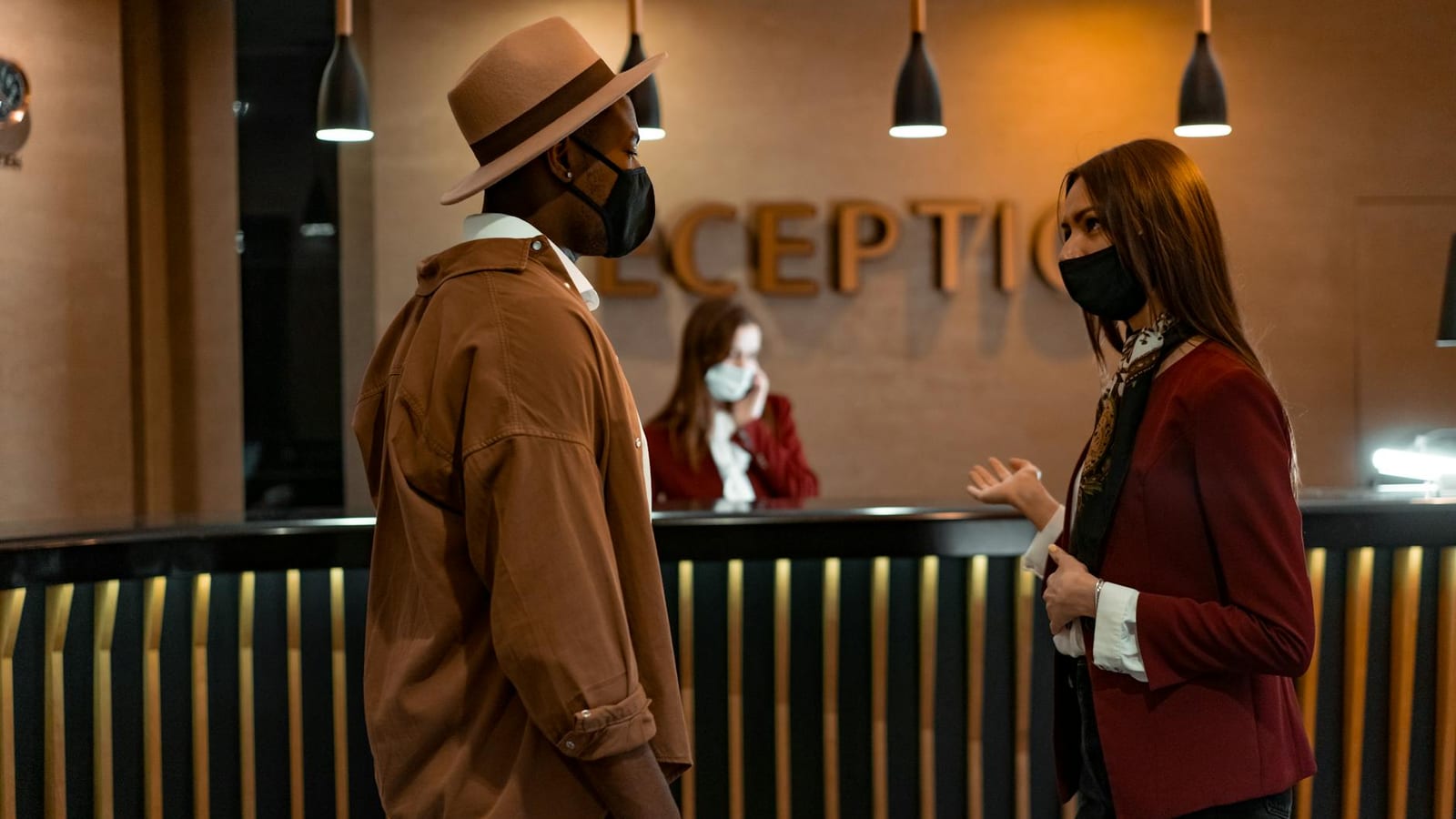
A hotel lobby is suddenly the new frontline in IPL 2026. Not the pitch, not the auction table, not even the selection meeting. The quiet sofa near reception now matters.
The BCCI has warned all 10 franchises about possible honey-trap attempts, unauthorised visitors, and leaks of team information. It has sent an 8-page set of rules to teams, players, support staff, owners, and officials.
This is not just moral policing in a glitzy league. It is about access. In a tournament where one injury update, batting-order hint, or dressing-room argument can carry value, loose hotel security can become a serious cricket problem.
BCCI tightens IPL hotel access
The board has told teams that unknown people cannot enter team hotels, private rooms, or dressing-room areas without permission. Even if a visitor knows a player, the team manager must know first.
The rule is simple. No written approval, no private access. Guests who come to meet players or support staff must stay in the lobby or reception lounge.
That may sound strict, but the IPL is not a normal workplace. Players live inside a travelling bubble of hotels, buses, stadiums, sponsor events, and training sessions. One careless meeting can create risk for the individual and the team.
The BCCI has also asked everyone around the squads to wear accreditation cards at hotels and stadiums. That includes players, coaches, support staff, team owners, and officials.
In plain English, the card is now the passport. Without it, access becomes a question.
Why honey traps worry cricket
A honey trap usually means someone uses personal charm, intimacy, or emotional pressure to extract information. In sport, the target may not be a secret government file. It may be something much smaller.
A player may reveal who is carrying an injury. A support staff member may mention a late change in the XI. Someone close to a squad may casually discuss team mood after a defeat.
For fans, these are gossip items. For betting markets and fixers, they can be useful clues.
That is why the board’s concern goes beyond personal conduct. Cricket has seen enough corruption scares to know that information can move before a ball is bowled.
The IPL’s scale makes the risk sharper. It has international players, young Indian talent, celebrity owners, packed hotels, private parties, sponsor commitments, and constant social media attention.
A young player can become famous in 3 good overs. That same player may not yet know how quickly friendly attention can turn into pressure.
The BCCI’s message to franchises is blunt. Stay alert, reduce exposure, and do not treat access as a casual favour.
Owners also face new limits
The guidelines do not stop with players. Team owners and franchise officials also face tighter rules during matches.
They cannot meet, speak to, or give instructions to players and support staff in the dugout or dressing room during a match. The board wants the team zone to remain a cricket space, not a VIP lounge.
That point matters more than it first appears. IPL teams are commercial machines, but match-day control still has to sit with captains, coaches, and cricket staff.
If owners move too freely around players during games, it can blur lines. It can also create pressure, confusion, or the appearance of influence.
BCCI secretary Devajit Saikia has told teams to remain careful about these rules through the season. The guidelines apply across hotels and stadiums.
This is also a reminder to franchises that ownership does not mean unlimited access. The league sells glamour, but it survives on trust.
Fans may enjoy the cameras cutting to owners in the stands. But inside the dressing room, cricket needs clean boundaries.
Surprise checks add pressure
The board has created a special task force with BCCI and IPL operations officials. This team can inspect hotels without warning.
If it finds unauthorised people in restricted areas, the board can act against players, support staff, or team owners. The guidelines suggest the board wants enforcement, not just advice.
That changes the mood inside franchises. Team managers now have to police access more carefully. Security staff must know who is approved. Players need to think before inviting anyone upstairs.
For senior players, this may feel familiar. They have spent years with anti-corruption briefings, phone-use rules, and reporting duties. For younger players, it can feel intrusive.
But the IPL has become a high-pressure workplace. The money is huge. The attention is relentless. Mistakes do not stay private.
A domestic player who shares a hotel floor with global stars may suddenly find strangers trying to get close. Some may be harmless fans. Some may not be.
The board’s job is to make that judgement less dependent on the player’s instinct.
The league protects its product
The IPL is built on trust as much as entertainment. Fans accept close finishes because they believe the contest is fair. Broadcasters, sponsors, and franchises pay because that belief holds.
Once doubts enter, even unfair doubts, the damage spreads fast. A rumour about a leaked strategy can become a social media storm before teams reach the airport.
That is why security rules often look excessive from the outside. They are designed to stop small problems before they become scandals.
There is another layer here. The board has also flagged possible legal risks linked to sexual harassment laws. That means franchises must protect players and also protect people who interact with them.
This is a difficult balance. Players are adults with private lives. Teams cannot turn hotels into prisons. But franchises also cannot ignore risks around consent, pressure, fame, and access.
The sensible path is boring but necessary. Clear permissions. Visitor logs. Lobby meetings. No private-room surprises. No dressing-room freelancing by powerful people.
For ordinary fans, this may feel far away from sixes and super overs. But it sits right under the cricket they watch every night. A league this rich cannot run on vibes and trust alone. IPL 2026 is still about runs, wickets, and pressure moments. The board’s warning shows that off the field, the pressure has become just as real.