ICC Eyes Pink-Ball Switch to Beat Bad Light in Tests
ICC may allow day Tests to continue with a pink ball under floodlights when bad light stops play, but only if both captains agree at equipped venues.
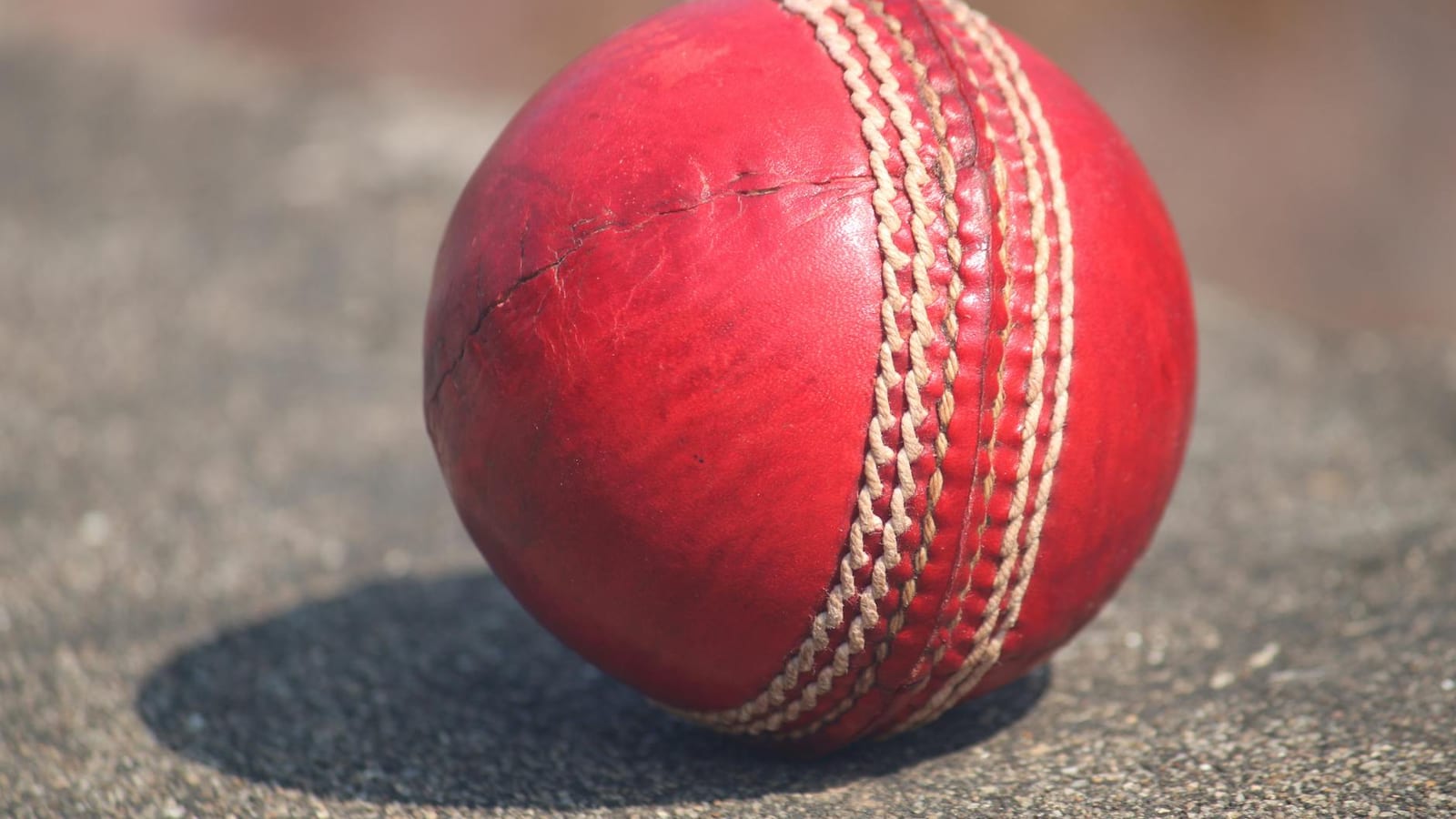
Bad light has stolen enough Test cricket to fill whole scorecards, and fans know the feeling too well.
You settle in for the final session, the bowlers smell a wicket, the batters fight shadows, and suddenly everyone walks off. Not for rain. Not for danger. Just because the red ball has become too hard to see.
Now the ICC wants to try something that sounds simple, but could change the rhythm of day Tests. If bad light stops play, teams may continue with a pink ball under floodlights.
Pink ball enters red-ball Tests
The proposal applies only to day Test matches that start with the traditional red ball. If light worsens and floodlights come on, teams could switch to a pink ball.
Both captains must agree before that happens. That consent matters because the pink ball behaves differently. It can swing more, skid more, and look sharper under lights.
The rule would apply only at grounds with floodlights. Day-night Tests remain unchanged, as they already use the pink ball from start to finish.
For fans, this is about lost time. Test cricket promises 90 overs in a day, but bad light often eats into that number. Sometimes it kills the best passage of the match.
Why captains will think twice
On paper, this looks like a neat fix. In real cricket, nothing is that neat.
A captain with tired fast bowlers may not want a pink ball late in the day. A captain chasing 10 wickets may happily agree within seconds.
That is why the consent clause becomes important. It keeps the decision inside the match situation, not just inside a rule book.
The Sourav Ganguly-led cricket committee is part of this discussion. The proposal went before the ICC’s chief executives committee during a virtual meeting.
The ICC board is expected to discuss these changes in Ahmedabad on 30 May. If approved, the new rules could come into effect from 1 October.
That timing matters for the next Test cycle. Teams will have to prepare not just for red-ball skills, but for possible mid-match pink-ball phases.
The real fight is for time
Test cricket has always sold patience. But modern fans also expect a full day’s play when they buy a ticket.
A family at the ground does not care about technical debates over light meters. They know they paid for cricket, and they want cricket.
Broadcasters feel the same pressure. Empty evening slots hurt schedules, sponsors, and audiences. A stopped Test match tests everyone’s patience.
Still, cricket cannot treat visibility as a small issue. Batters face balls above 135 kmph. If they cannot see properly, the sport must stop.
That is why the pink-ball idea is clever, but sensitive. It tries to protect both safety and spectacle.
The challenge lies in fairness. If one side bats through red-ball daylight and the other faces pink-ball floodlights, conditions may shift sharply.
Cricket already accepts changing conditions. Clouds move. Pitches crack. Balls age. But changing the colour of the ball mid-Test feels more direct.
Captains, coaches, and match referees will need very clear rules. Otherwise, every decision may become another argument.
Coaches may step onto ODI fields
The ICC is also looking at a smaller but interesting change in one-day cricket.
At present, only substitute players can enter the field during drinks breaks. They must wear cricket kit and carry the messages indirectly.
The new proposal allows head coaches to speak directly to players during ODI drinks breaks. T20 internationals already allow this.
This may look minor, but it changes dressing-room communication. ODIs sit between the sprint of T20s and the patience of Tests.
A 50-over innings can turn in 10 balls. A coach may want to reset a chase, calm a bowler, or adjust a field plan.
Purists may dislike the extra outside input. Cricket has long valued captaincy on the field. The captain reads pressure in real time.
But the modern game already runs on data. Analysts track match-ups, scoring zones, and bowling patterns. Coaches entering during drinks only makes that influence more visible.
For India’s domestic and international players, this could matter. Young captains may receive clearer guidance in tight moments. Senior captains may still prefer control.
The ICC must ensure drinks breaks do not become mini time-outs. Cricket already battles slow over rates and long pauses.
T20 break may get shorter
T20 internationals could also become quicker. The ICC is considering cutting the innings break from 20 minutes to 15 minutes.
That saves only 5 minutes, but T20 cricket runs on pace. Fans want the second innings to start before the mood dips.
Broadcasters will welcome tighter windows. Stadium crowds may also prefer less dead time between innings.
Players, though, may see it differently. Teams use the break to recover, assess conditions, and plan the chase or defence.
In hot places, especially in Asia, 5 minutes can matter. Bowlers finish spells drenched in sweat. Batters need treatment and fresh plans.
The ICC will need to balance entertainment with player workload. Shorter matches look better on television, but sport still runs on human bodies.
Hawkeye may monitor bowling actions
The most technical proposal involves suspected illegal bowling actions. The ICC is exploring whether on-field umpires can use Hawkeye technology during matches.
An illegal action usually means the bowler straightens the elbow beyond the permitted limit. In simple terms, the arm bends too much while delivering the ball.
Cricket has struggled with this for years. Umpires judge actions with the naked eye, then testing happens later in labs.
Technology could help spot suspicious actions faster. It may also reduce guesswork and public confusion.
The debate gained attention after Pakistan spinner Usman Tariq’s action came under discussion during the 2026 T20 World Cup.
For bowlers, this is not a small matter. A suspect action can damage careers, especially for young spinners building confidence.
For batters, it is about fairness. If a bowler gains extra pace, bounce, or spin through an illegal action, the contest changes.
Hawkeye already helps with ball tracking and reviews. Using it for bowling actions would push cricket deeper into real-time policing.
But the ICC must be careful. Technology can assist umpires, but it should not turn every unusual action into instant suspicion.
Cricket needs room for different styles. Not every awkward action is illegal. Not every smooth action is clean.
That is the thread running through all these proposals. The ICC wants more play, faster formats, better oversight, and fewer stoppages.
For ordinary fans, the pink-ball plan will matter most. It asks a simple question: should a Test match stop when another safe option exists?
If the answer becomes yes, players will adapt. Captains will calculate. Coaches will prepare. And fans may finally get more cricket when the evening shadows roll in.