ICC may let day Tests use pink ball in bad light
ICC proposal would let captains switch from red to pink ball under floodlights when bad light threatens to halt play in day Test matches.
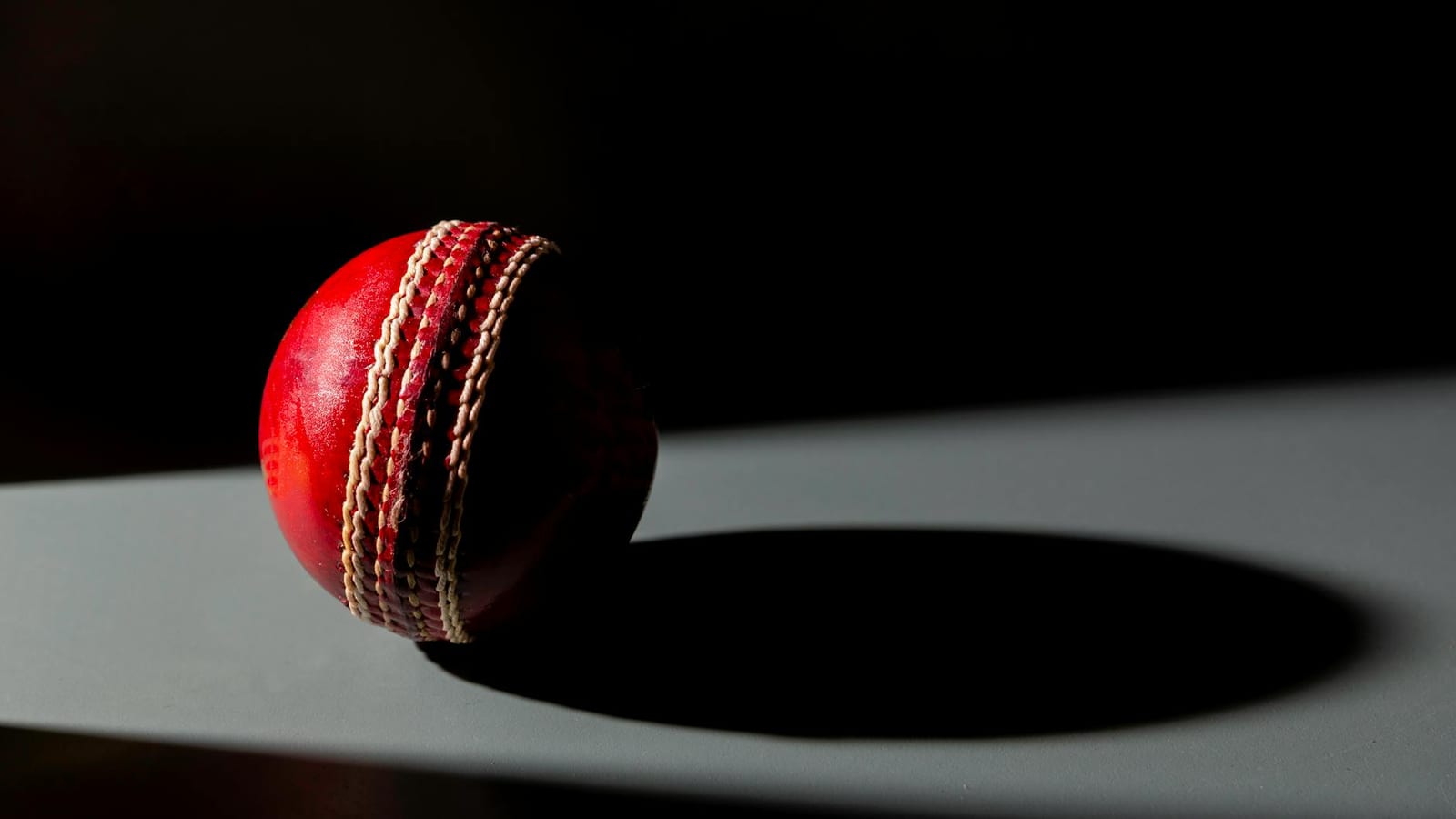
A Test match can lose its rhythm in the dullest way possible: players standing around, umpires checking meters, crowd waiting, broadcasters filling time.
The ICC now wants to fix that old cricket irritation with a bold idea. If bad light stops play in a day Test, teams may switch from the red ball to the pink ball under floodlights.
It sounds simple. In cricket, of course, simple rarely stays simple.
Pink ball may enter day Tests
The proposal sits among several changes discussed by the ICC’s Chief Executives’ Committee. The biggest one concerns Test cricket and bad light.
Under the idea, a Test that starts with a red ball could continue with a pink ball. This would happen only when poor light threatens to stop play.
The logic is clear. The red ball becomes harder to see under artificial lights. The pink ball, already used in day-night Tests, stays more visible.
But the ICC does not want a forced switch. Both captains would need to agree before the ball changes.
That consent clause matters. A pink ball can behave differently. It can swing more under lights. It can also feel different for batters and fielders.
So this is not just about saving time. It can change the match itself.
Captains get a real say
This proposal applies only to day Tests. It would work only at grounds with floodlights already installed.
Day-night Tests remain separate. Those matches start and finish with the pink ball.
The new idea targets the awkward middle ground. Think of a normal day Test where clouds gather, light drops, and 90 overs become impossible.
Fans often feel cheated in those situations. They buy tickets, take time off, and then watch covers of a different kind: not rain covers, but delay talk.
Players also lose momentum. A batter set on 70 can spend 40 minutes waiting. A fast bowler in rhythm can cool down completely.
For broadcasters, stoppages are another headache. Cricket already stretches across long windows. Lost overs make planning harder.
Still, captains will look at conditions carefully. A bowling side may love the pink ball under lights. A batting side may resist it.
That is why captain approval becomes the pressure point. It keeps the change from becoming a tactical ambush.
Ganguly joins rule discussions
The proposals were placed before the ICC committee in a virtual meeting. Sourav Ganguly, who heads the ICC Cricket Committee, also attended.
The ICC Board is expected to discuss the changes in Ahmedabad on 30 May. If approved, the rules could come into effect from 1 October.
That timeline matters because cricket calendars fill quickly. Teams, boards, umpires, and venues need clarity before a new cycle begins.
The pink-ball proposal also hints at a bigger truth. Test cricket needs tradition, but it also needs play.
No fan wants administrators to turn the format into a laboratory. But few enjoy repeated bad-light stoppages either.
This is the balance the ICC is trying to strike. Keep the contest fair, but stop avoidable dead time.
The hardest part will be trust. Teams must believe the switch helps the game, not one side.
Coaches may step onto field
The ICC is also looking at one-day cricket. At present, each innings has 2 drinks breaks.
Only substitute players usually carry drinks onto the field. They also need to be in cricket kit.
The proposed change would allow head coaches to come onto the field during drinks breaks. They could speak directly to players.
T20 internationals already allow this. Bringing the same idea to ODIs feels natural.
Modern cricket moves quickly. Captains manage match-ups, field settings, over rates, and data from the dressing room.
A coach entering during drinks can sharpen plans. It may help a young captain. It may also give teams cleaner communication.
But purists may frown. Cricket has long valued on-field leadership. Too much coaching can make captains look like messengers.
That tension is not new. The sport keeps adding information, screens, analysts, and coded signals.
The key question is simple. Does the change improve cricket, or does it make the game feel over-managed?
Shorter T20 breaks and Hawk-Eye checks
T20 internationals could also get a tighter clock. The ICC is considering cutting the innings break from 20 minutes to 15 minutes.
That small change can make a big difference. T20 survives on pace. Long pauses can drain energy from a close game.
For broadcasters, 5 saved minutes help scheduling. For fans, it keeps the evening moving.
The ICC is also exploring technology for suspect bowling actions. On-field umpires may get help from Hawk-Eye during matches.
Hawk-Eye already tracks ball movement for decisions like lbw. Using it to monitor bowling action would be another step.
A suspect action means an umpire thinks a bowler may be straightening the arm too much. Cricket permits only a limited degree of elbow straightening.
That rule exists to separate bowling from throwing. But spotting it with the naked eye is difficult at full speed.
Technology could help umpires flag actions more confidently. It may also reduce long delays after tournaments.
Pakistan spinner Usman Tariq faced attention over his bowling action during the 2026 T20 World Cup. Cases like that show why the ICC wants better tools.
Still, this area needs care. A bowler’s reputation can suffer quickly. Any technology must be accurate, clear, and consistent.
These proposals show cricket trying to solve familiar problems without breaking its character. The pink ball may save lost overs. Coaches may give clearer messages. Shorter breaks may keep T20 sharper. Technology may help umpires judge actions better. For ordinary fans, the test is simpler: will they see more cricket, fewer delays, and a fairer contest? That is where these rule changes will finally earn their place.