ICC Weighs Pink Ball Switch For Bad Light In Tests
ICC is considering allowing day Tests to switch from red to pink balls under floodlights when bad light threatens to stop play.
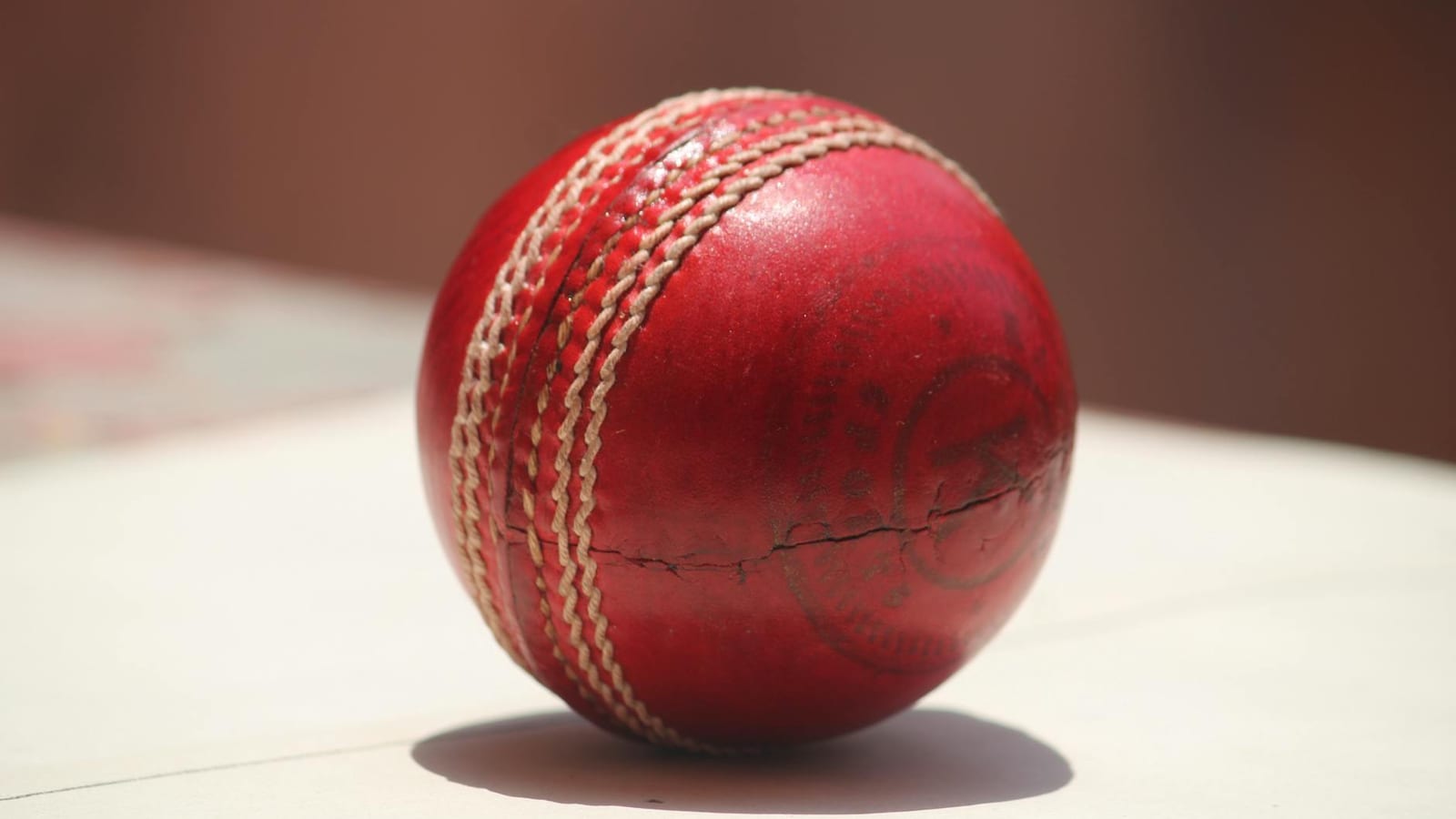
A Test match can lose its shape in one gloomy hour. The bowlers are fresh, the batters are fighting, the crowd is still in. Then the umpires check the light, players walk off, and everyone waits.
That old frustration may soon get a serious rethink. The ICC is considering a rule that could let a day Test switch from a red ball to a pink ball when bad light stops play.
It sounds simple. It is not. In cricket, the colour of the ball changes visibility, swing, tactics, and even trust between teams.
Pink ball idea targets bad light
The proposal applies only to day Tests that start with the red ball. If light fades and play cannot continue safely, teams may use a pink ball under floodlights.
The red ball can become hard to see under artificial light. That is why day-night Tests use the pink ball from the start. The pink ball stands out better when floodlights take over.
But the ICC is not looking at a free switch. Both captains must agree before the change happens. The ground must also have floodlights already installed.
That consent clause matters. Captains will ask the obvious question first. Who benefits more from the pink ball at that moment?
A batting side may fear extra movement. A bowling side may want play to continue if conditions help. So the rule tries to protect fairness, not just television time.
Still, the idea tackles a real problem. Test cricket expects 90 overs in a day. Bad light often cuts that short, especially in places where weather changes quickly.
For fans, that means lost tickets, lost travel time, and long silent spells. For broadcasters, it means dead air. For players, it changes rhythm and momentum.
Captains will hold the key
This proposal gives captains unusual power during a Test. They will not just read fields and bowlers. They will help decide whether the match changes equipment midstream.
That is a delicate call. A red ball and pink ball do not behave exactly alike. The pink ball often has a stronger lacquer and can stay harder for longer.
Fast bowlers may enjoy that. Batters may need time to adjust sight and bounce. Spinners may wonder if grip and wear will change.
This is why a mid-match switch will invite debate. Imagine a team 5 wickets down under fading light. Would its captain agree to face a fresher-looking pink ball?
Now reverse the scene. A bowling side has the batters under pressure. Its captain may push hard to keep play going.
The ICC will need tight rules around ball age. If a red ball is 42 overs old, the pink replacement cannot feel like a new ball. Matching condition will become vital.
Umpires already replace damaged balls with balls of similar wear. That practice may guide this plan. But colour adds a fresh layer of judgment.
Sourav Ganguly, who heads the ICC Cricket Committee, attended the meeting where these changes came up. That detail matters because this is not a casual experiment.
The proposals will go before the ICC Board in Ahmedabad on 30 May. If approved, the new rules could come into force from 1 October.
ODIs may give coaches room
The ICC is also looking at a smaller but interesting ODI change. Head coaches may be allowed to enter the field during drinks breaks.
At present, substitute players carry drinks during ODI breaks. They must also wear cricket clothing when they come out.
The new proposal would let coaches speak directly to players in that short window. T20 internationals already allow this.
This may look like a minor detail. It is not minor inside a dressing room.
ODIs can swing fast after 30 overs. A chase can move from calm to chaotic in 3 overs. A bowler can lose plans after one expensive spell.
A coach on the field can simplify the message. Change the match-up. Remind the batter about a bowler’s slower ball. Tell the captain where the data points.
Of course, cricket still wants captains to lead. Too much coaching from outside can make the game feel managed from a laptop.
But modern cricket already runs on analysts, match-ups, and quick information. This change only makes that process more visible.
For players, it may reduce confusion. For fans, it may add another talking point. Who called the change, the captain or the coach?
Shorter T20 breaks under review
The ICC is considering another timing change in T20 internationals. The break between innings may drop from 20 minutes to 15 minutes.
That would trim match duration and help broadcasters manage schedules. It may also keep crowd energy higher at the ground.
T20 depends on pace. Long gaps can cool a night that has just caught fire. A shorter interval keeps the second innings closer to the first.
Players, though, will feel the squeeze. Batters need to pad up, bowling units need plans, and support staff need quick checks.
Five minutes may sound tiny from a sofa. Inside a packed dressing room, it can feel large.
This change also shows where cricket is heading. The sport wants Tests to recover lost time, ODIs to sharpen communication, and T20s to move faster.
Each format is getting a different fix. That is sensible. A Test match has room for patience. A T20 match lives on urgency.
Technology may watch bowling actions
The ICC is also studying whether on-field umpires should get access to Hawk-Eye technology for suspect bowling actions.
A bowling action becomes illegal if the elbow straightens beyond the permitted limit. In plain English, the bowler cannot throw the ball.
At present, suspicious actions usually move through reports and lab testing. Technology during matches could help officials spot problems earlier.
This comes after discussion around Pakistan spinner Usman Tariq during the 2026 T20 World Cup. His action drew attention and debate.
The challenge is fairness. A bowler’s career can suffer badly after an action question. Officials must avoid turning a complex biomechanical issue into instant public trial.
But the game also needs confidence. Batters should feel the contest is legal. Bowlers with clean actions should not feel others get an unfair edge.
If used carefully, technology can help umpires notice patterns. It should support judgment, not replace due process.
That same principle runs through all these proposals. Cricket wants fewer stoppages, clearer control, and better use of time. But it cannot treat tradition like clutter.
The pink ball idea will draw the loudest argument, and rightly so. Test cricket changes slowly because small details can tilt big contests. Yet doing nothing also has a cost. If bad light keeps stealing overs, fans lose faith one quiet interruption at a time. The next phase will show whether cricket can protect its old soul while fixing one of its most irritating habits.