Ireland names Lorcan Tucker captain for India T20Is
Ireland has appointed Lorcan Tucker as permanent T20I captain, setting its direction ahead of the India series and the 2028 World Cup cycle.
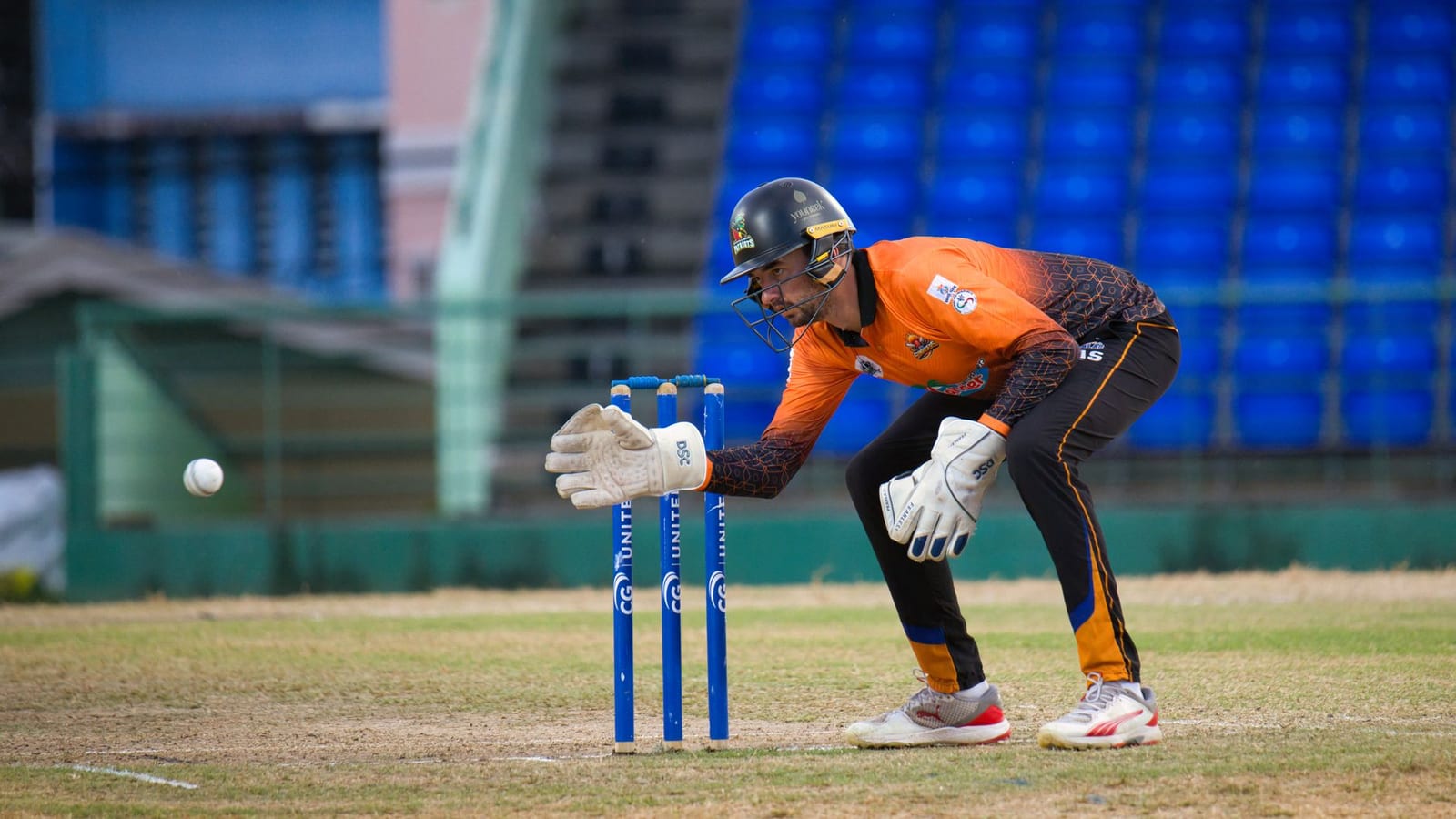
A wicketkeeper getting the captaincy tells you something about where a team wants to go. Ireland have not just picked a squad for India. They have picked a direction.
Ireland have named Lorcan Tucker as their permanent T20I captain, with the move aimed at the 2028 T20 World Cup. The 29-year-old has led the side twice before, but this is different. This is not a stand-in job. This is his team now.
Against India, that matters. Even a two-match T20I series can become a hard classroom. The games were listed for June 26 and June 28 in Belfast, with India beginning a fresh T20 chapter under Shreyas Iyer.
Tucker gets the long rope
Ireland’s call to make Tucker permanent captain feels practical. T20 cricket punishes confusion. A team needs one clear voice, especially when it sits outside the sport’s richest circle.
Tucker is a wicketkeeper-batter, so he already works from the best seat in the house. He watches angles, bowling plans, field changes, batter habits, and pressure shifts ball by ball. That helps in T20, where 2 bad overs can decide everything.
He also spoke with the right mix of pride and surprise. Tucker said leading Ireland at international level was a huge honour, and something he had not expected earlier. That matters because small cricket nations often build leadership around gratitude and grit, not celebrity.
The bigger point is the 2028 T20 World Cup. Ireland are not treating this India series as a one-off event. They are using it as the first step in a longer cycle.
Three new names in focus
Ireland have brought in 3 fresh faces for the India T20Is. Matthew Hollard and Jay Moondra have earned senior call-ups for the first time. Ruben Wilson has also entered the T20I squad, though he has already played Test cricket for Ireland against New Zealand.
That mix tells its own story. Ireland want to widen their talent pool, but they are not throwing away experience. They still have names like Ross Adair, Gareth Delany, George Dockrell, Harry Tector and Tim Tector in the group.
For Hollard and Moondra, this is the moment every domestic player waits for. Selection against India brings attention that a quieter series may not. One good spell, one brave cameo, or one sharp catch can change how selectors view a player.
Wilson’s case is slightly different. Test exposure gives him a taste of international cricket’s pace and scrutiny. But T20 asks another question. Can you think quickly, recover quickly, and still play with freedom?
India bring their own reset
India’s presence gives this series its sharp edge. Shreyas Iyer’s captaincy marks a fresh phase for India’s T20 side, and Vaibhav Suryavanshi’s inclusion adds another layer of curiosity.
For Indian fans, these tours can look small on paper. Two T20Is in Belfast do not carry the noise of an IPL final or a World Cup knockout. But Indian cricket has often used such trips to test new leaders, roles, and temperaments.
That is why Ireland’s timing is clever. If India are also experimenting, Ireland get a slightly more open contest. The gap in depth remains large, of course. India can rest several stars and still field a strong XI.
But T20 is the one format that keeps smaller teams alive for longer. A powerplay burst, a middle-overs squeeze, or a lower-order hit can make rankings look silly for one evening.
Belfast offers a tricky stage
Belfast may not intimidate like Melbourne or Ahmedabad, but it can still shape a contest. Conditions in Ireland often ask batters to respect movement early. Bowlers who hit hard lengths can stay in the game.
That is useful for Ireland. They cannot match India player for player in market value, fame, or bench strength. Their best chance is to create uncomfortable passages and force India’s newer players to solve problems quickly.
For Tucker, this is where captaincy becomes real. Team sheets are easy. Toss calls, bowling changes, and field placements under pressure are not. A young captain learns faster when the opponent gives him no soft overs.
The squad has enough familiar figures to help him. Dockrell brings calm experience. Delany offers all-round value. Harry Tector remains one of Ireland’s more important batting names. Around them, the newcomers get a chance to show they belong.
Selection hints at bigger ambition
Ireland’s squad is not just about the 2 matches. It is about building a side that can enter 2028 with roles already settled.
That sounds simple, but associate and emerging cricket nations rarely get perfect preparation. They face gaps in fixtures, uneven exposure, and limited high-pressure cricket. So every India series becomes valuable.
For the players, the stakes are personal too. A strong performance against India travels faster than runs made in many other series. Franchises notice. Broadcasters notice. Fans in cricket’s biggest market notice.
For Indian viewers, the story is also worth watching beyond familiar names. These matches show how the sport grows outside its traditional power centres. They remind us that international cricket is healthier when more teams arrive with plans, not just hope.
Ireland have made their call. Tucker leads. Hollard, Moondra and Wilson get their opening. India arrive with their own new questions. The scorecards will tell us who won the 2 nights, but the more interesting answer may take longer. It will show in whether Ireland can turn these chances into a team that looks ready before 2028, not after it arrives.