Mitchell Marsh ton keeps LSG alive, denies RCB top spot
Mitchell Marsh's 111 powered Lucknow Super Giants to a 9-run DLS win over RCB, keeping their IPL hopes alive and halting Bengaluru's top-spot push.
A 9-run win can look small on a scoreboard. For Lucknow Super Giants, it felt like oxygen.
At home, with their season hanging by a thread, LSG beat Royal Challengers Bengaluru in a rain-shortened IPL 2026 match. The champions had a chance to climb to No. 1. Instead, they left Lucknow with a bruising defeat and a reminder that this tournament rarely moves in straight lines.
LSG made 209 for 3 in 19 overs. RCB, chasing a revised target of 213 under the Duckworth-Lewis method, finished 9 runs short. The match turned on one huge hundred, one sharp spell, and one brave final-over call.
Marsh gives LSG their launchpad
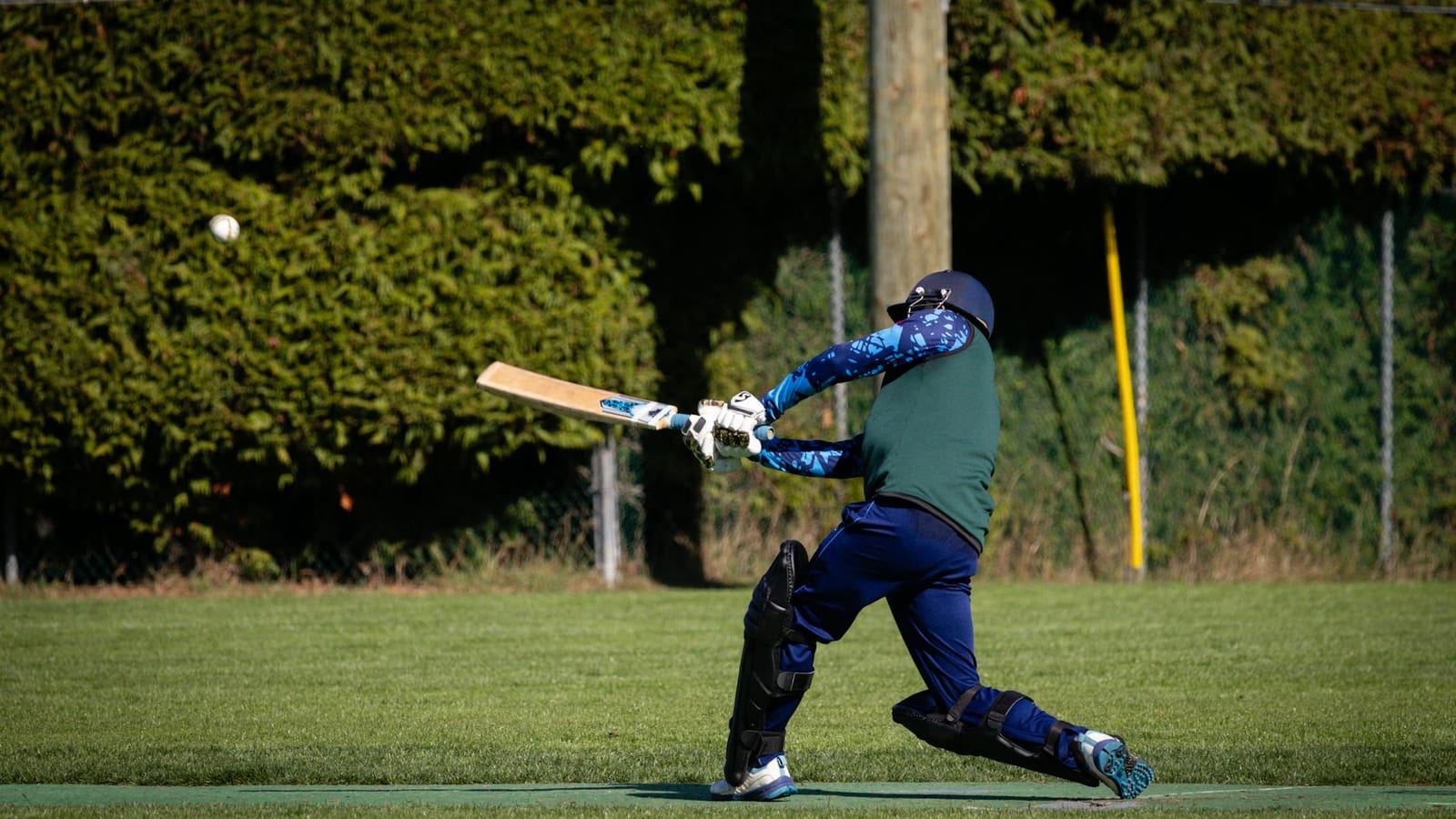
Mitchell Marsh played the innings LSG desperately needed. He smashed 111 off 56 balls, with 9 fours and 9 sixes. That is not just a century. That is a batting statement.
He opened with Arshin Kulkarni, and the pair added 95 for the first wicket. Kulkarni made 17 from 24 balls, which looks slow on paper. But his stay allowed Marsh to attack without chaos at the other end.
Once Marsh settled, RCB’s bowlers had little room to breathe. Anything full disappeared. Anything short sat up. On a night where rain had already changed the rhythm, Marsh gave LSG a simple plan: keep hitting, keep stretching the target.
Nicholas Pooran then added 38 from 23 balls. His knock kept the middle overs from going flat. That matters in 19-over games, where even 6 quiet balls can hurt badly.
Then came Rishabh Pant, who finished unbeaten on 32 from 10 balls. His strike rate was 320. In plain terms, he turned a strong total into a dangerous one.
Josh Hazlewood, Krunal Pandya and Rasikh Salam picked up 1 wicket each for RCB. But this was not a night where wickets controlled the game. Runs did.
RCB stumble before the chase begins
RCB needed 213 in 19 overs after the rain adjustment. That meant the chase needed a clean start. They got the opposite.
Mohammed Shami removed Jacob Bethell for 4 in the first over. In the second, Prince Yadav sent Virat Kohli back for 0. In a chase above 11 runs an over, losing both openers that early is like missing the first train in Mumbai rush hour. You can still reach, but every minute hurts.
RCB did fight back. Devdutt Padikkal and captain Rajat Patidar added 95 from 53 balls for the third wicket. That stand brought the match back to life.
Padikkal made 35 from 25 balls. Patidar played the captain’s hand, scoring 61 from 31. His half-century had timing, urgency and control. For a while, RCB looked ready to spoil LSG’s night.
But T20 chases often turn on one over. Prince Yadav returned in the 11th and hit RCB twice. He removed Padikkal first, then Jitesh Sharma in the same over.
That double strike changed the mood. The required rate did not explode immediately, but RCB lost their shape. The chase moved from controlled aggression to hurried hitting.
Prince and Shahbaz swing the contest
Prince Yadav finished as LSG’s leading wicket-taker with 3 wickets. His spell mattered because he struck at different stages. He got Kohli early, broke the set partnership, and then added pressure with another wicket.
For a young bowler, those are not easy moments. The ball is wet, the target is large, and RCB’s batting order carries power deep. Yet he kept asking awkward questions.
Shahbaz Ahmed also played a key role. He dismissed Patidar for 61, which was the wicket LSG wanted most. Then he removed Tim David, who had blasted 40 from 17 balls.
That Tim David wicket may have been the real turning point. David is the kind of batter who can reduce a 30-run ask to a 10-run ask in 6 balls. Once he fell, RCB still had hitters, but they lost their most explosive finisher.
Krunal Pandya made 28 from 16 balls. Romario Shepherd added 23 from 15. Together, they dragged RCB close enough to make LSG nervous.
With 20 needed from the last over, RCB still had a puncher’s chance. Shepherd can clear boundaries. Krunal knows pressure situations well. For many captains, that over would have gone to a safer pace option.
Pant chose Digvesh Rathi.
Pant’s risky call pays off
Pant handing the last over to Rathi was the sort of decision that looks foolish if it fails and inspired if it works. That is captaincy in the IPL. The result writes the judgement.
Rathi had to defend 20 against batters who knew one big shot could shift the pressure. He gave away only 10. LSG won by 9 runs.
That final over will please LSG for more than just the result. It showed trust inside the group. Pant backed a spinner at the hardest moment. Rathi held his nerve. In a tournament where teams often live by match-ups and data sheets, instinct still has a place.
For RCB, the defeat stings because the No. 1 spot was within reach. They are still a strong side, and one loss does not define a campaign. But champions know these are the games that shape playoff routes.
A top-two finish gives teams breathing space. It offers a second chance in the playoffs. Missing that cushion can turn one bad evening into a season-ending wound.
LSG, meanwhile, remain alive in the playoff race, though their path still depends on other results. That phrase, “mathematical chance,” can sound cold. In dressing rooms, it means training stays serious, meetings stay sharp, and players keep believing.
For fans, this was the IPL at its most familiar. Rain changed the target. A senior batter made a monster score. A young bowler grabbed the night. A captain gambled. A defending champion slipped.
LSG’s win does not solve every problem in their season. But it gives them one more week of relevance, and sometimes that is all a team needs. RCB will look at their first 2 overs and wonder how much they cost. LSG will look at the last over and know exactly what they gained: not just 2 points, but a little more faith.