Pujara Urges IPL Youngsters To Keep India Dream Alive
Cheteshwar Pujara says young cricketers should use the IPL as a learning stage while keeping Team India as their ultimate ambition.
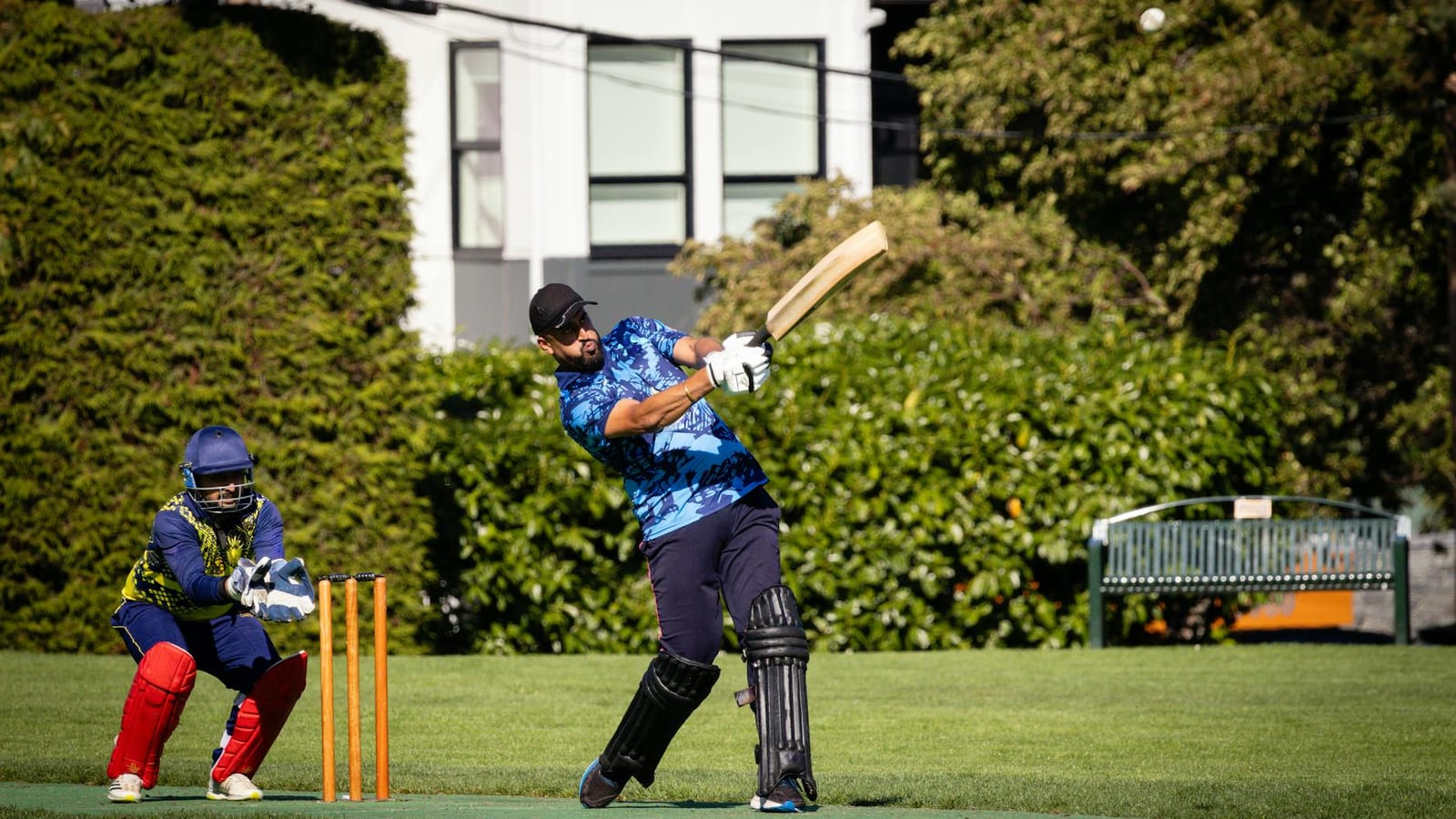
A teenager can now become famous before he has finished growing into his batting gloves. That is Indian cricket in the IPL age.
Cheteshwar Pujara knows both sides of that world. He built his name through long innings, hard pitches, and old-fashioned patience. Yet his advice to young players is not to reject the IPL. It is to treat it as a stage, not the final dream.
Pujara’s message is simple. Play the league, enjoy the spotlight, earn well, learn fast. But keep the bigger shirt in mind. For an Indian cricketer, Team India must still be the mountain.
Pujara’s warning for young stars
Pujara has urged young cricketers to stay updated, work on their game, and aim higher than franchise cricket. He named rising players like Vaibhav Suryavanshi and Ayush Mhatre while speaking about this new generation.
That point matters because the cricket ladder has changed. Earlier, a player came through school cricket, state cricket, age-group cricket, Ranji Trophy, and then maybe India. Now one explosive IPL season can put a teenager on every screen.
That brings money, pressure, agents, endorsements, and public judgment very early. For a young player, the danger is not ambition. The danger is shrinking ambition too soon.
Pujara said players should not prepare only for IPL contracts. They should dream of winning trophies for India too. He pointed to the ODI World Cup and regular T20 World Cups as the real tests.
That is the old India cap speaking. Pujara has seen packed stadiums and lonely dressing rooms. He knows applause fades quickly when technique, fitness, and temperament stop growing.
IPL is not the enemy
Pujara also pushed back against a familiar complaint. Many fans say the IPL has weakened Test cricket. He does not buy that argument.
His reasoning is practical. The IPL has also given India serious international cricketers. Jasprit Bumrah, Mohammed Siraj, and Mohammed Shami all gained huge visibility through the league before becoming major red-ball forces.
That is an important reminder. T20 cricket does not automatically spoil a player. It exposes him faster. The real question is whether the system helps him grow after exposure.
A good IPL season can reveal nerve, range, and appetite. But it cannot show everything. Test cricket still asks different questions. Can you leave the ball for 30 minutes? Can you bat tired? Can you bowl a fourth spell with the same bite?
This is where Indian cricket has to be careful. Franchise cricket rewards impact in short bursts. International cricket rewards skill across conditions, formats, and pressure cycles.
Pujara’s own career sits at the other end of the scale. His basic stat line tells the story: 100-plus Tests, more than 7,000 runs, and 19 Test hundreds. That is not built on one good month.
So his point is not anti-IPL. It is anti-shortcut. The league can open the door. It cannot become the whole house.
Selection should follow performance
Pujara also spoke about the balance between senior and junior players. His view is clear. Pick players on performance, not age alone.
If young players are performing well and experienced players keep failing, selectors must consider changes. But if senior players are still delivering, dropping them only because they are older makes little sense.
That sounds obvious, but Indian cricket often lives in extremes. After one defeat, fans demand a full reset. After one win, everyone becomes untouchable. Selection rooms cannot work like television debates.
A strong team needs both freshness and memory. Young players bring energy, fearlessness, and new methods. Senior players bring calm, pattern recognition, and dressing-room weight.
This matters even more in tournaments. A World Cup squad cannot be only a youth project. It also cannot become a retirement lounge. The trick lies in picking players who still move the needle.
For a teenager watching from a small town or academy net, that message is useful. Do not wait politely for your turn. But also understand why experience still matters.
India’s talent pool is now enormous. That is a blessing, but it also creates confusion. Every IPL season throws up new names. The hard part is knowing which names can survive beyond the highlight reel.
Commentary brings another test
Pujara also opened up about his move into commentary. On the field, he has always looked quiet and self-contained. In the commentary box, he has had to explain the game in real time.
He said talking cricket itself was not difficult. Players discuss the game with friends all the time. The harder part was preparing detailed analysis about different cricketers.
That preparation matters because IPL squads are mixed rooms. There are Indian youngsters, overseas stars, senior pros, and fresh domestic names. A commentator cannot survive on reputation alone.
Pujara said he studies how a player bats or bowls, what he has done before, and how his game has changed. Only then does he speak with depth on air.
That is a small but telling detail. It shows how cricket work has changed beyond playing too. The modern game rewards people who can read data, watch patterns, and explain them clearly.
For viewers, that matters. Good commentary can help a fan understand why a batter is struggling, not just that he is struggling. It can show why a bowler’s angle matters, or why a field has shifted.
Pujara’s style may never be loud. But his value lies in observation. He has spent years noticing tiny things that casual viewers miss.
Mumbai still has time
Pujara also addressed Mumbai Indians and their uneven form. He accepted that their performance had dipped, but did not see it as a crisis.
He pointed to their strong win over Lucknow as a sign of recovery. In his view, Mumbai need their players to sit together, plan better, and trust form to return.
That is a fair reading of the franchise. Mumbai have rarely been a team that panics well. Their best years came when roles were clear and senior players carried pressure.
Form can make even great sides look ordinary. A batter starts reaching for balls. A bowler misses yorkers by inches. Fielders react half a second late. In T20, those small slips become headline defeats.
But Pujara’s larger point goes beyond Mumbai. IPL teams, like national teams, need patience with plans. They also need honesty when plans stop working.
For young players inside such dressing rooms, this is education. They learn how stars handle failure. They learn how coaches speak after losses. They learn that talent is only one part of a career.
That is why Pujara’s advice lands at the right time. Indian cricket is richer, faster, and more crowded than ever. The next big name may arrive from an IPL dugout, a school tournament, or a state side. But the real journey still begins after the first cheer. For ordinary fans, that is the hope worth watching: not just who becomes famous next, but who grows enough to carry India when the lights are harshest.