Punjab Steps Up Rural Health Services Across Villages
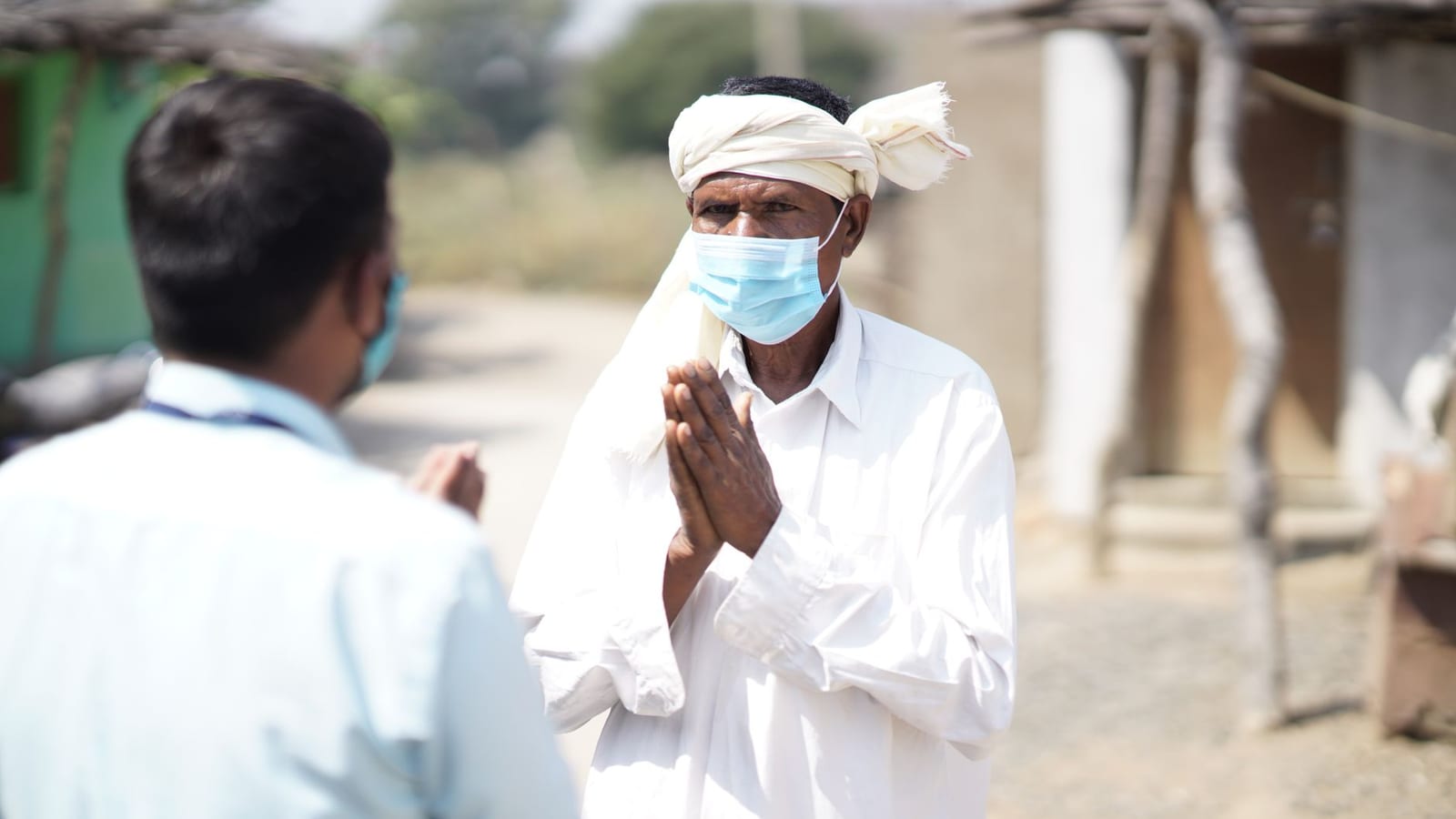
Punjab is moving to strengthen village healthcare, with officials stressing local doctors, basic tests and early treatment closer to rural families.
Punjab’s news day did not move in one straight line. It moved like real life does, from hospitals to courtrooms, from police seizures to solar rooftops, and from village canals to political anger.
For ordinary families, these were not isolated headlines. A rural health centre can decide how fast a patient gets help. A court order can change a widow’s compensation. A canal can decide whether a farmer sleeps peacefully before sowing season.
Punjab’s village health push
Dr Balbir Singh, Punjab’s health and family welfare minister, said the state is strengthening health services in villages. He visited a rural health training centre at Saneta village, run under the community medicine department of the state medical institute in Mohali.
That matters because rural healthcare often fails at the first step. People do not always need a super-speciality hospital. Many times, they need a trained doctor nearby, basic tests, and early advice.
The government’s focus, as Singh described it, is on taking services closer to villages. That is the right direction, if staff, medicines, and follow-up care arrive together.
Punjab also plans a scheme called “Mawan Dhian Di Hatti”. The idea is to open business booths in every block for women. The state says it wants to help women stand on their own feet.
For women in small towns and villages, such schemes work only when they move beyond ribbon-cutting. They need training, credit access, decent locations, and buyers.
Courts and police stay busy
In Faridkot, police recovered 1 kg and 20 grams of heroin from a car. Officials said an iPhone and an electronic weighing scale were also found. The suspect fled after seeing police.
Police identified the accused as Karan Sharma, based on documents recovered from the vehicle. The case shows how drug networks still use ordinary cars and small tools.
The Behbal Kalan firing case also returned to public attention. The Special Investigation Team has invited people to join the inquiry process.
The SIT said it will be present at Bargari police post on July 30. It also said the identity of anyone sharing information will remain fully confidential.
That offer is important in Punjab’s long-running sacrilege-linked cases. Many people carry memories, rumours, or fear. A serious probe needs public trust, not just police files.
In another major case, a Mohali court sentenced Seerat Kaur to life imprisonment. The case involved the 2017 murder of her husband, Ekam Dhillon.
The details shocked people when the case first surfaced. The victim’s body was found hidden in a suitcase. The court has now delivered its verdict after years of proceedings.
Politics returns to street level
Punjab’s politics stayed heated over a controversial video involving Chief Minister Bhagwant Mann. The Shiromani Gurdwara Parbandhak Committee filed a written complaint with Punjab Police.
The SGPC delegation met a senior police officer and sought registration of a case. It also alleged a conspiracy linked to a fake forensic report.
The Shiromani Akali Dal also staged a protest against Mann. Party workers marched from Gurdwara Sri Fatehgarh Sahib to the district administrative complex.
Such issues in Punjab rarely remain limited to party offices. When religion, identity, and political honour meet, the dispute quickly reaches the street.
Finance Minister Harpal Cheema said nobody involved in sacrilege cases would be spared. He said Punjab Police was working on the Bargari matter.
Congress politics also saw fresh friction. Senior leaders met at former chief minister Charanjit Singh Channi’s residence. Partap Singh Bajwa asked the high command to reconsider its decision on a new list.
He claimed the list had disappointed people and party workers in Punjab. That remark tells its own story. In opposition politics, internal confidence matters almost as much as public attack.
Civic life, farms and power
In Zirakpur, a video of a police assistant sub-inspector slapping a young man went viral. The incident took place on VIP Road late at night.
The atmosphere reportedly turned tense after the altercation near a police beat box. Such videos now travel faster than official explanations.
They also force a familiar question. Does policing build confidence, or does it deepen mistrust? The answer depends on how quickly authorities act.
The Punjab and Haryana High Court raised compensation in a motor accident case by Rs 14.79 lakh. The court noted that a homemaker’s work carries real value.
That observation deserves attention beyond the legal file. A homemaker cooks, cares, manages budgets, supports children, and holds families together. Courts are slowly putting monetary value on unpaid labour.
In Banur, the irrigation department has begun work to keep water flowing through the canal all year. The plan involves a dam on the Ghaggar river.
Officials expect the project to cost around Rs 150 crore. It could help more than 70 villages and over 7,000 acres of farmland.
For farmers, canal water is not an abstract policy item. It means fewer diesel bills, less dependence on tube wells, and better crop planning.
Tata Power also launched a “Ghar Ghar Solar” campaign in Punjab. The company said the programme targets homes, businesses, and agriculture consumers.
Solar power is becoming more practical as electricity bills rise. But households still need simple pricing, quick installation, and clear subsidy support.
In Mohali’s Sector 78, residents met Mayor Sarabjit Singh Samana over local problems. Such meetings may sound small, but city life runs on them.
Roads, drainage, streetlights, and waste collection rarely make national headlines. Yet these are the things people judge government by every morning.
Punjab’s day, seen together, tells a simple story. Big politics will continue, and so will court battles. But people will measure progress by clinics that function, canals that carry water, police who behave fairly, and schemes that actually reach the household.