Sai Sudharsan hit-wicket jolts Gujarat in IPL chase
Sai Sudharsan's bat slipped onto the stumps after a boundary in Dharamshala, hurting Gujarat Titans' chase of RCB's 255 in IPL 2026 Qualifier 1.
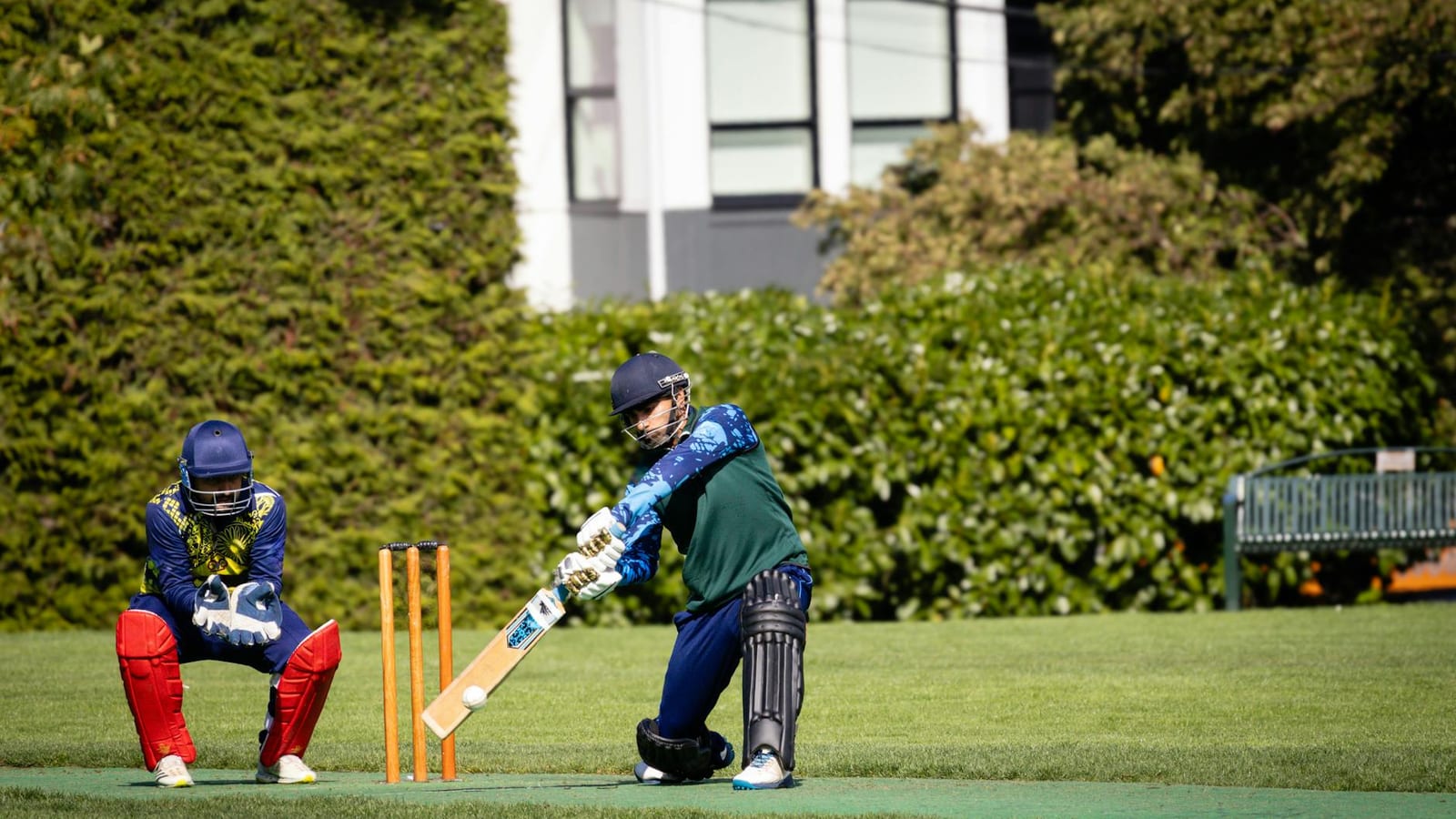
A batter can do almost everything right and still walk back looking stunned. Sai Sudharsan found that out in the cruellest way in Dharamshala.
He timed the ball sweetly. It raced away for 4. Then, in the same movement, his bat slipped out of his hands and crashed into the stumps.
That one strange moment changed the early mood of Gujarat Titans’ chase against Royal Challengers Bengaluru in IPL 2026 Qualifier 1.
Sudharsan’s strange Dharamshala exit
RCB had already put Gujarat under a mountain of pressure. They set a record target of 255 at the Himachal Pradesh Cricket Association Stadium in Dharamshala.
In a knockout game, that kind of chase needs a perfect start. Gujarat needed calm heads, clean hitting, and no cheap wickets.
That made Sudharsan’s wicket hurt even more. He and Shubman Gill were the opening pair Gujarat would have trusted most.
Sudharsan began well enough. He looked in touch, as he has for most of this IPL season. Then came the third ball of the third over.
Jacob Duffy bowled. Sudharsan struck it for a crisp boundary. But as he completed the shot, the bat flew out of his grip and hit the stumps.
The scorebook will simply say hit wicket, Sai Sudharsan, 14. But scorebooks are heartless like that. They never capture the absurdity of such dismissals.
Why the wicket hurt Gujarat
A 255-run chase is not only about boundaries. It is about belief. The opening pair has to make the dressing room feel the impossible is still possible.
Sudharsan’s early wicket did the opposite. It gave RCB a bonus wicket without forcing a mistake in the usual way.
There was no wild slog. No mistimed pull. No rash charge down the pitch. He had actually played a scoring shot.
That is why hit-wicket dismissals feel so brutal. The batter does not lose to swing, spin, pace, or field placement. He loses to the geometry of his own follow-through.
For Gujarat, the timing was awful. Sudharsan was not a fringe player trying to survive. He was the tournament’s leading run-scorer at that stage.
He had 652 runs from 15 innings. His average stood at 46.57, and his strike rate was 157.87.
Those numbers tell you two things. He was scoring heavily, and he was scoring fast. That combination is gold in T20 cricket.
Gujarat were not just losing 14 runs. They were losing the man most likely to make a giant chase feel manageable.
A repeat from 2022
This was not the first time Sudharsan had gone in such odd fashion. That is what made the moment even stranger.
In IPL 2022, he was also dismissed hit wicket against Mumbai Indians. Kieron Pollard was bowling that day.
The coincidence does not stop there. Sudharsan was also on 14 then. He was also batting during a chase.
Cricket loves these little loops. Players and analysts may not give them much weight. Fans certainly do.
For Sudharsan, the 2026 dismissal will sting because of the stage. A league match gives you time to move on. A qualifier gives you no such luxury.
The playoffs do not forgive small accidents. A dropped catch, a missed run-out, or a strange hit wicket can tilt the whole night.
That is why coaches often speak about “controllables”. It sounds like dressing-room language, but it matters here.
A batter can control shot selection. He can control tempo. He can study match-ups. But a bat slipping after a boundary sits in that uncomfortable grey area.
It is part skill, part grip, part sweat, part bad luck. At this level, even that tiny slip can become a headline.
Orange Cap pressure grows heavier
Sudharsan entered the match as the Orange Cap leader. That carries prestige, but it also carries a quiet burden.
Oppositions plan harder for you. Broadcasters focus on every innings. Fans expect another fifty because the last few came so smoothly.
Before Qualifier 1, Sudharsan had produced five straight scores of fifty or more. That is serious consistency in T20 cricket.
It also explains why Gujarat would have seen him as the chase anchor. Not a slow anchor, but the modern version.
The modern T20 anchor does not block and wait. He scores at a high rate while keeping one end stable.
Sudharsan has done that well this season. He has shown control against pace and enough range to punish loose bowling.
That is what made his dismissal feel so jarring. It cut short an innings before the contest between batter and bowling plan truly began.
For Indian cricket followers, there is another layer. Sudharsan is among the young batters watched closely for bigger roles.
Every playoff innings becomes part of that wider conversation. Selectors, franchises, and fans all judge temperament under heat.
One unlucky dismissal should not define him. His season has already shown far more than that. But knockout cricket has a long memory.
The bigger question for Gujarat was immediate. Could the rest of the batting order absorb the shock and keep chasing 255?
Once Sudharsan departed, the pressure shifted quickly. The required rate was already steep, and RCB had the emotional lift.
In T20 chases, panic rarely arrives with one wicket. It arrives when one wicket makes every batter feel behind the game.
That is what RCB wanted. That is what Gujarat had to resist.
For Sudharsan, the night will be filed under cricket’s cruel jokes. For Gujarat, it was a reminder that big chases need fortune as much as form. And for young batters watching at home, there is a plain lesson hiding inside the drama: in T20 cricket, even after a perfect shot, the ball may not be the only thing that matters.