SriLankan Airlines Ex-CEO Found Dead in Colombo Home
Police are probing ex-SriLankan Airlines CEO Kapila Chandrasena's death at a Colombo home linked to Aravinda de Silva amid an Airbus graft case.
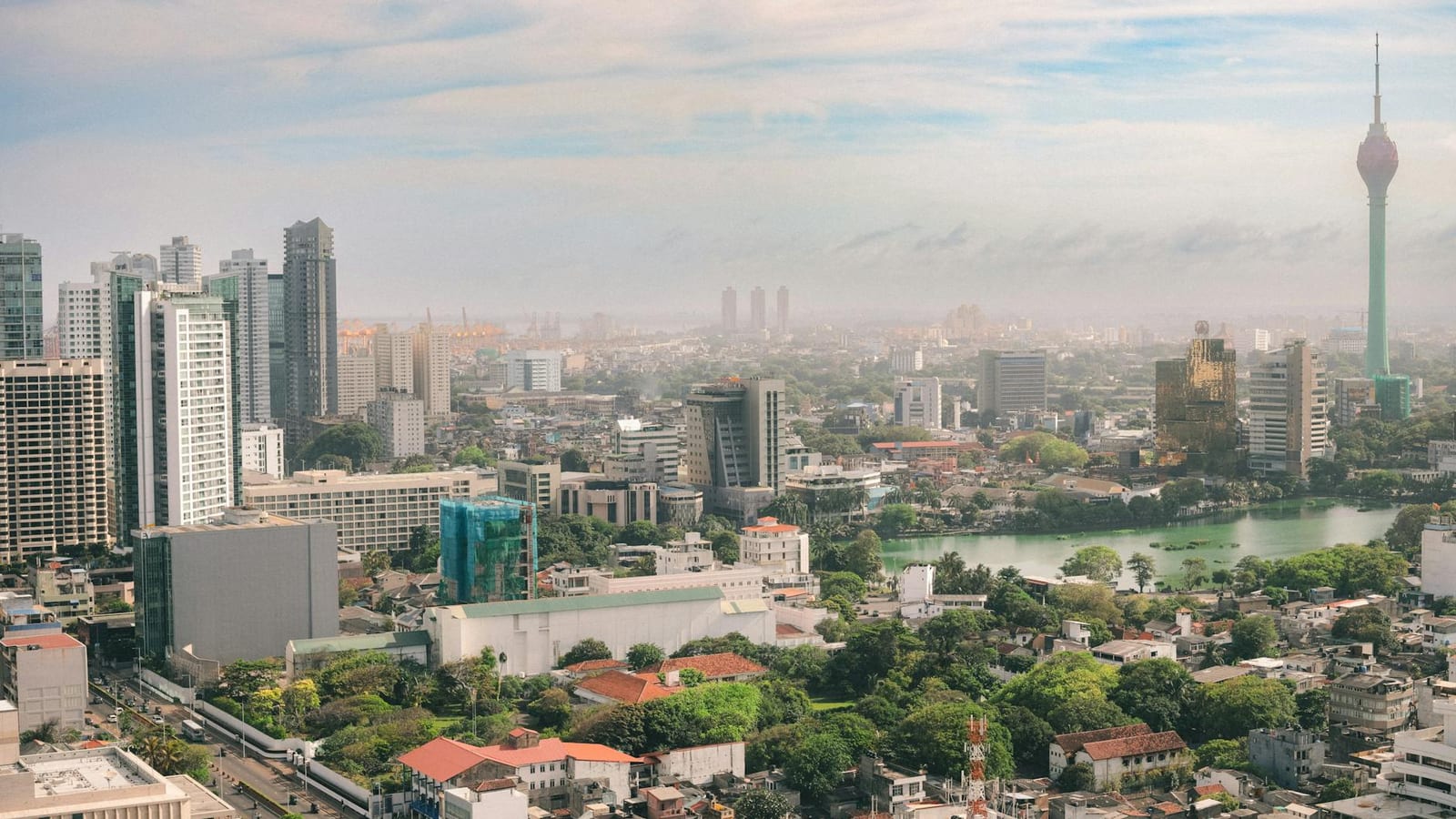
A World Cup hero’s Colombo home has suddenly become the centre of a grim national story.
Aravinda de Silva, the man who gave Sri Lanka its greatest cricketing night in 1996, is now linked to a very different headline. Kapila Chandrasena, former chief executive of SriLankan Airlines, was found dead at a Colombo residence connected to de Silva, who is also his relative.
Police have said they are examining the cause and circumstances of the death. The timing has sharpened attention. Chandrasena faced serious bribery allegations tied to a large Airbus aircraft deal, and a court had recently moved against him again.
A death under heavy scrutiny
Chandrasena was not an unknown corporate name in Sri Lanka. He had led the country’s national airline during a period when its aircraft purchases later came under intense investigation.
The case centres on a deal worth about $2.3 billion for Airbus aircraft. Investigators alleged that money moved through a shell company and foreign bank accounts as part of a bribery arrangement.
The anti-corruption case had already placed Chandrasena under pressure. He had been arrested earlier this year by Sri Lanka’s bribery commission and remanded by court.
Reports from Colombo say a fresh arrest warrant had been issued before his death. That detail matters because it gives this story a heavier edge than a routine police file.
For ordinary Sri Lankans, this is not just about one executive. It touches a familiar wound. National airlines in South Asia often become symbols of pride, politics, waste, and public money.
When a state airline bleeds cash, taxpayers pay in quiet ways. Fares stay high, services suffer, and governments borrow more. The pain rarely arrives with a neat bill at the doorstep.
The Airbus case in plain English
The allegation is simple, even if the paperwork is complicated. SriLankan Airlines bought aircraft. Investigators say people connected to the deal received illegal payments.
In everyday language, a bribe in such a deal means someone may have been paid to favour one supplier. That can distort the price, the choice of aircraft, and the contract terms.
Chandrasena served as chief executive of the airline and had a role in the procurement process. That placed him close to decisions involving aircraft selection and purchase.
Investigators have alleged that a fake company in Brunei and accounts in Singapore played a role. Money allegedly moved through these channels before reaching other accounts.
The figures vary across the case record and reports. Some accounts refer to about $2 million. Others discuss a wider bribery conspiracy running into millions more.
The larger point is not only the exact amount. It is the damage such deals can cause when public institutions buy expensive assets with weak oversight.
Aircraft are not office chairs. One wrong aircraft order can trap an airline for years. Maintenance, fuel use, crew training, leasing, and cancellation penalties all follow.
That is why airline corruption cases become so toxic. A bad decision can sit on the books long after ministers, executives, and consultants leave the room.
De Silva’s cricketing shadow
The reason Indian sports fans noticed this story is obvious. Aravinda de Silva is not just another former cricketer.
He played 93 Tests, scored 6,361 runs, and made 20 Test hundreds. In one-day cricket, he scored 9,284 runs and hit 11 centuries.
He also took 106 ODI wickets and 29 Test wickets. That made him more than a stylish middle-order batter. He was a genuine match-shaper.
But numbers alone do not explain de Silva’s place in Sri Lankan cricket. For many fans, he is forever tied to Lahore, 1996, and that World Cup final.
Sri Lanka were chasing 242 against Australia. De Silva walked in at No. 4 and finished unbeaten on 107. He made a pressure chase look oddly calm.
That innings helped Sri Lanka win by 7 wickets. It also changed Asian cricket’s self-image. Sri Lanka were no longer romantic outsiders. They were world champions.
In that tournament, de Silva scored 448 runs. His average was close to 90, and his strike rate crossed 107. For that era, those were fierce numbers.
So when a death is reported at his residence, the cricket memory makes the news travel faster. Yet it also creates a risk. The story is not about blaming de Silva.
There is no public allegation against him in the death or the bribery case. His relevance here is the location and family connection, not proven wrongdoing.
That distinction matters. In South Asia, fame can turn any private address into a public theatre. Cricket only makes the glare stronger.
Why this matters beyond cricket
This story sits at the meeting point of sport, business, and politics. That is why it carries weight far beyond Colombo.
Sri Lanka’s national carrier has long been a financial headache. Like Air India once was for India, it carries national emotion and government burden together.
People like the idea of a flag carrier. They like seeing their country’s name on aircraft tails. But romance does not pay debt.
When aircraft deals go wrong, citizens do not usually see the loss immediately. It appears later through budget cuts, higher taxes, or weaker public services.
For a young professional booking a Colombo flight, corruption sounds distant. But it can shape ticket prices, route choices, and airline reliability.
For airline workers, these scandals create another kind of damage. They work under suspicion even when they had nothing to do with boardroom decisions.
For the public, the question is sharper. Who signed what? Who approved the deal? Who benefited? And why do answers arrive years later?
The death of Chandrasena may complicate the legal process. Courts can still examine documents, money trails, and other accused persons. But one central figure is gone.
That makes the work of investigators even more important. A case like this cannot depend only on one man’s testimony or silence.
It needs bank records, contract papers, board minutes, and official approvals. That is boring work, but it is how corruption cases either survive or collapse.
For Indian readers, there is a familiar lesson here. Big public deals need scrutiny before the cheque is signed, not after the scandal erupts.
Cricket fans will remember Aravinda de Silva for a night when he carried a nation with a bat. This new story belongs to another arena, where public money, power, and accountability collide. The real test now is whether Sri Lanka can follow the paper trail calmly, even after a death has turned the case darker.