SriLankan ex-CEO found dead at cricket legend's home
Former SriLankan Airlines chief Kapila Chandrasena was found dead at Aravinda de Silva's Colombo home after an arrest warrant in an Airbus case.
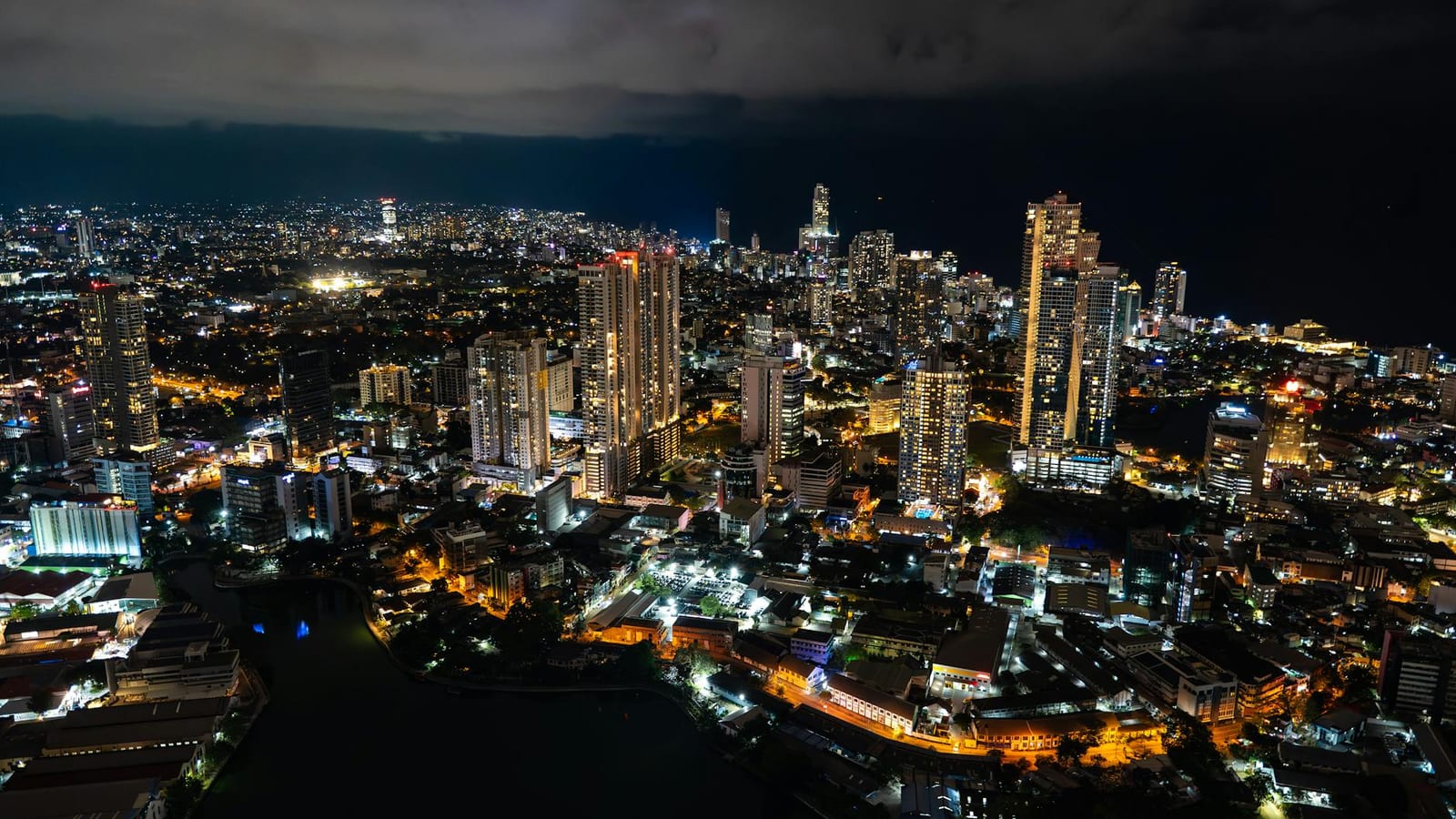
A cricket hero’s home is now at the centre of a grim police inquiry.
Former SriLankan Airlines chief Kapila Chandrasena was found dead at the Colombo residence of Aravinda de Silva, the man Sri Lankan fans still remember for that 1996 World Cup final masterclass.
Police are probing the death. Early reports pointed to suspected suicide, but investigators have treated the matter carefully, given the timing and the legal pressure around Chandrasena.
A death after legal pressure
Chandrasena’s death came soon after a Colombo court issued an arrest warrant against him.
He faced allegations linked to a 2013 aircraft deal involving Airbus. The case centred on claims of bribery in a transaction worth about $2.3 billion.
The allegation was simple, but serious. Investigators claimed money moved through a shell company, meaning a firm with little real business.
For ordinary Sri Lankans, this was never just about aircraft. State airlines run on public trust, public money, and political approval.
When such deals go wrong, taxpayers feel the bill. Employees feel the fear. Passengers see poorer service and higher costs.
Why de Silva’s name matters
De Silva has not been accused of wrongdoing in this matter.
His name matters because of where Chandrasena was found, and because of what de Silva means to cricket.
He remains one of Sri Lanka’s greatest batters. In 93 Tests, he made 6,361 runs with 20 centuries.
In ODIs, he scored 9,284 runs and 11 centuries. He also took 106 wickets in one-day cricket.
But one number still outshines the rest, his unbeaten 107 against Australia in the 1996 World Cup final.
Sri Lanka chased 242 that day. De Silva walked in at No. 4 and played like pressure was someone else’s problem.
With Asanka Gurusinha and Arjuna Ranatunga, he carried Sri Lanka to its first World Cup title.
That is why this story feels so jarring. A cherished cricket address has suddenly entered a corruption and death investigation.
The Airbus case shadow
The aircraft deal had long carried political and financial weight in Sri Lanka.
Chandrasena, as the airline’s former chief executive, sat close to the heart of that decision-making chain.
The charge around the deal involved an alleged bribe running into millions of dollars.
For readers in India, the pattern feels familiar. Big-ticket public contracts often sound distant, until the public cost becomes clear.
A plane order is not just a boardroom decision. It affects debt, ticket prices, routes, jobs, and national pride.
Airlines also carry emotional value. They fly migrant workers, students, tourists, officials, and families returning home.
When corruption claims hit a national carrier, people do not see only numbers. They see a system bending again.
Cricket fame meets public scandal
Sport often gives South Asia its cleanest public memories.
A great innings can survive elections, inflation, court cases, and years of disappointment.
That is why de Silva’s 1996 final still lives in cricket conversations across the region.
He made 448 runs in that World Cup. He averaged nearly 90 and scored at a strike rate of 107.69.
Those are not decorative statistics. They show a player who shaped matches, not merely survived them.
Now, that legacy sits beside an unrelated but painful news event.
It also shows how public lives overlap in small countries. Business, politics, sport, and family circles often meet.
One person’s legal trouble can pull another famous name into headlines, even without any allegation against him.
What investigators must answer
The immediate question is the cause and circumstances of Chandrasena’s death.
Police will need to establish the timeline clearly. When did he arrive? Who saw him last? What did investigators recover?
They will also have to explain how the arrest warrant shaped the final hours before his death.
That matters because high-profile deaths during corruption probes always create suspicion.
If the inquiry leaves gaps, people fill them with rumours. That helps nobody, least of all the families involved.
The court case also does not vanish with Chandrasena’s death. Wider questions around the aircraft deal remain.
Who approved what? Who benefited? Did public systems fail? Those questions still deserve answers.
For Sri Lanka, the story lands at a sensitive time. The country has already lived through economic pain and public anger.
Citizens have watched leaders, state firms, and public institutions face hard questions about money and accountability.
This case now sits inside that larger mood. People want proof that powerful names face the same rules as everyone else.
For cricket fans, the shock is more personal. A home linked to one of the sport’s finest memories now carries a darker association.
But the real test lies beyond the headline. Investigators must separate fact from noise, grief from gossip, and fame from evidence. Ordinary people, in Sri Lanka and across the region, have heard enough big scandals fade into fog. This one needs clarity, because public trust is also a public asset.