Tamil Nadu air alert flags Chennai dust, factory smoke
Tamil Nadu pollution officials flag poor air at three sites, with Chennai road dust, traffic fumes and factory smoke adding to health risks.
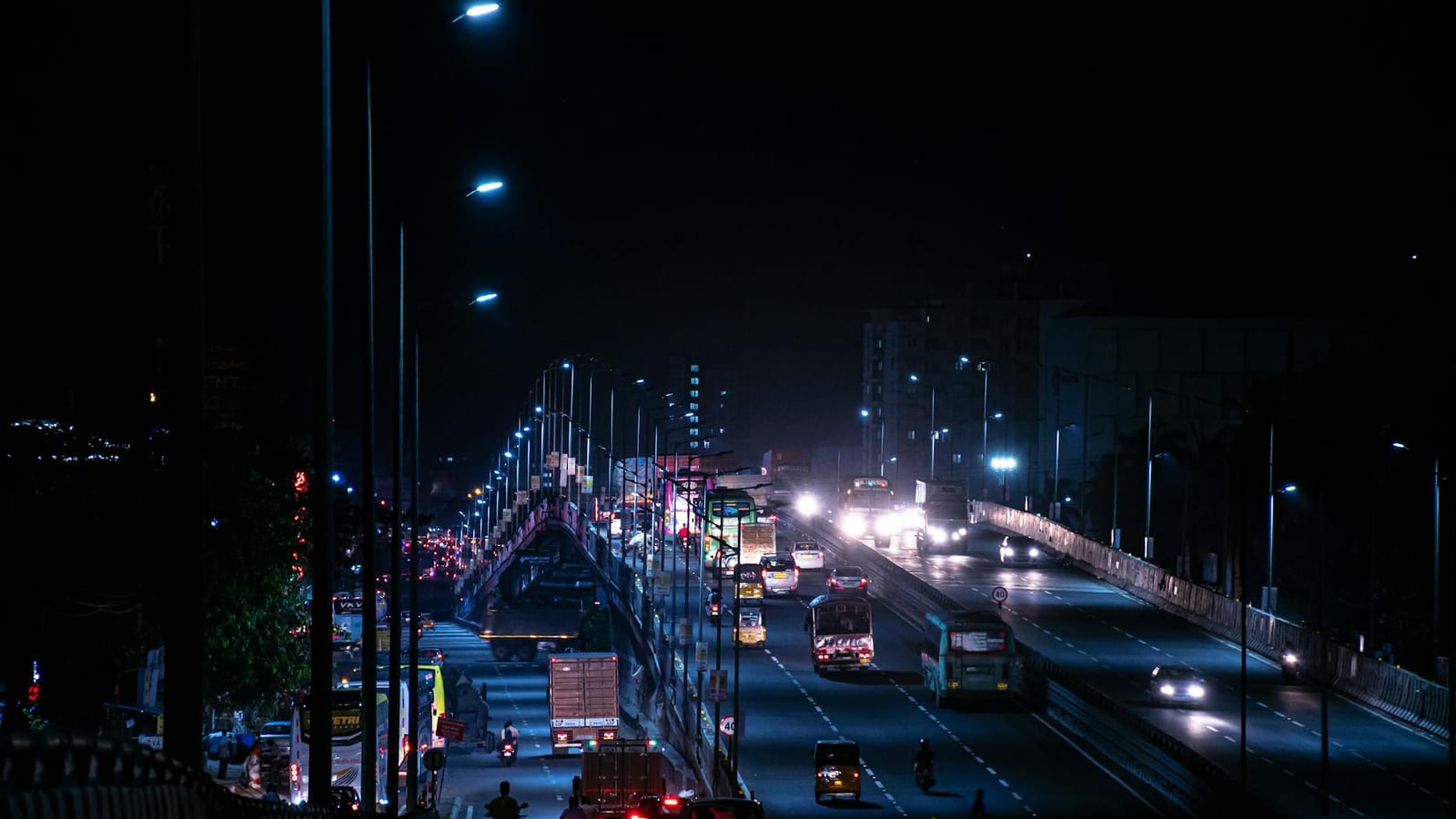
A dusty road can tell you more about a city than a glossy skyline.
That is the small warning inside the latest Tamil Nadu air quality alert. The issue is not one dramatic smog cloud over Marina Beach. It is factory smoke, road dust, traffic fumes, and loose construction dirt quietly mixing into the air people breathe every day.
For Chennai, this matters because bad air rarely arrives like a cyclone. It creeps in. A cough lasts longer. Children with wheezing stay indoors. Older people avoid morning walks. Office-goers blame the heat, when the real irritant may be the air itself.
Chennai’s dust problem is visible
The latest alert flagged air pollution at 3 places in Tamil Nadu. The note pointed to smoke from rising industrial activity and dust lying on roads as key reasons.
That sounds simple, almost too simple. But anyone who has driven through a dug-up stretch in Chennai knows the truth. Dust does not need a factory chimney. A loose road shoulder, a construction site, or a dry traffic junction can do enough damage.
The Tamil Nadu Pollution Control Board tracks air quality through continuous monitoring stations. Its public AQI page says data comes from monitoring stations, reaches the CPCB, gets checked, and then appears through official systems.
AQI means Air Quality Index. Think of it as a report card for the air. A score of 0 to 50 is good. From 51 to 100, sensitive people may feel mild discomfort. From 101 to 200, people with asthma, lung problems, or heart disease can struggle.
Once the number crosses 200, it becomes poor. That is when prolonged exposure can trouble many people, not only those already unwell.
Why three polluted spots matter
A citywide average can hide the real story. Chennai may look acceptable on paper while one neighbourhood breathes much worse air.
That is why local readings matter. Industrial belts, bus terminals, major roads, and construction-heavy areas often record sharper spikes. Perungudi, Velachery, Alandur, Manali, and other busy pockets have seen public concern before because traffic, dust, and dense activity sit close together.
For residents, this is not an abstract environmental debate. A parent sending a child to school on a dusty road does not care about policy language. A delivery worker riding 8 hours through traffic breathes what the street gives him.
Road dust is especially tricky. It rises when vehicles move, settles again, then rises once more. Unless roads are cleaned properly and construction material is covered, the same dust keeps returning like an unpaid bill.
Factories add another layer. Tamil Nadu has grown as an industrial state, and that growth has created jobs. But smoke control, fuel quality, and strict checks must keep pace with that growth.
Officials have the tools
Tamil Nadu is not starting from zero. The pollution control board already has monitoring systems and categories for health impact. CPCB’s national framework also gives a common scale for cities and states.
The question is enforcement. Monitoring tells us where the problem is. Action decides whether the problem reduces.
Officials can order industries to improve emission controls. Municipal bodies can clean dust-heavy roads more often. Construction sites can be told to cover debris, spray water, and move material carefully.
Traffic police and transport departments also matter. Idling vehicles, old diesel engines, and clogged junctions all worsen local air. A pollution plan that ignores traffic will always be half a plan.
Chennai’s coastal breeze helps on many days. But that can also create a false comfort. The sea wind may move pollution around, but it does not erase every particle from a crowded road or industrial pocket.
What residents should watch
For ordinary people, the first step is to check the AQI like they check the weather. It is not panic. It is common sense.
If AQI is in the moderate range, people with asthma, heart disease, or breathing trouble should avoid heavy outdoor exercise. If it moves into poor levels, even healthy people should reduce long exposure near traffic-heavy stretches.
Masks help only when they fit well. A proper N95 mask can reduce fine particle exposure. A loose cloth mask will not do much against PM2.5, the tiny particles that can enter deep into the lungs.
Schools, offices, and resident welfare associations should also watch local readings. Morning assembly, outdoor sports, and road-facing classroom windows may need practical changes on bad-air days.
Hospitals usually see the pattern before governments admit it. More wheezing, more throat irritation, more breathlessness among vulnerable people. That is why public health departments must sit at the same table as pollution officials.
The next test is local action
The air quality story in Tamil Nadu is not Delhi’s winter smog story. It has its own shape.
Here, the issue often sits in smaller pockets, industrial clusters, traffic corridors, waste-burning points, and dusty construction zones. That makes it harder to dramatise, but easier to fix if officials act street by street.
The state needs cleaner roads, stricter factory checks, better waste control, and faster public warnings. It also needs transparent station-wise AQI updates that ordinary residents can understand without hunting through official dashboards.
For Chennai, the warning is plain. Development cannot mean breathing more dust. A city can build roads, homes, offices, and factories, but it must also protect the lungs of people who keep that city running. The next few months will show whether this alert becomes another forgotten line in a news feed, or the start of cleaner, sharper local action.