Afghan refugee truck crash kills 22 on return route
A truck carrying Afghan refugees returning from Pakistan overturned in Laghman province, killing 22 people and injuring about 36 others.
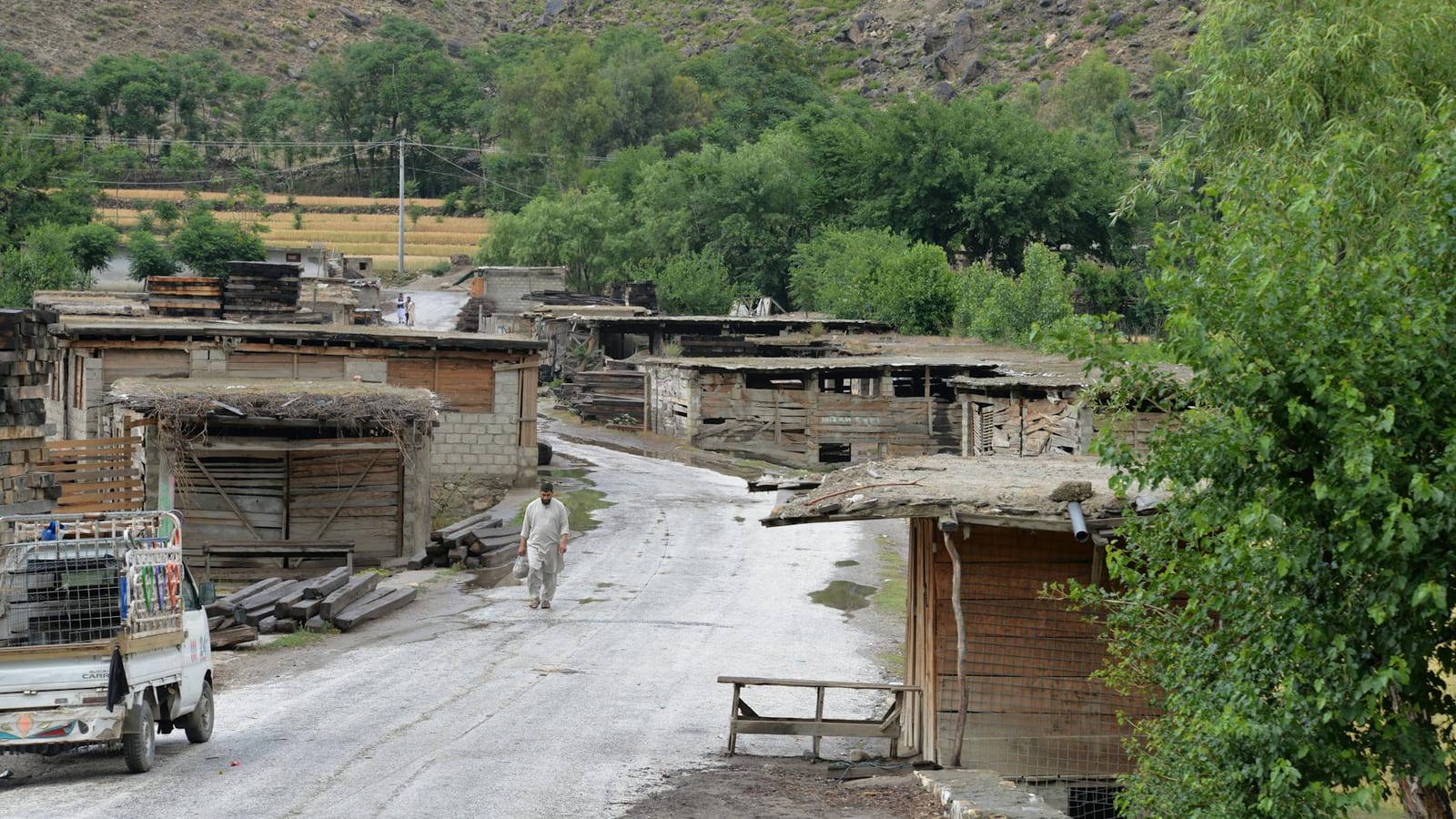
A journey home ended in a roadside ditch on Saturday, with children among the dead.
A truck carrying Afghans returning from Pakistan overturned in eastern Afghanistan, killing at least 22 people and injuring about 36 others. Officials said most of the passengers were women and children.
For many families, this was not a holiday route or a regular bus trip. It was the last leg of a forced return, after years, sometimes decades, across the border.
Crash on the Kabul-Nangarhar highway
The accident took place in Laghman province, on the main road linking Kabul with Nangarhar province. Abdul Malik Niazai, spokesperson for the provincial governor, said the truck was carrying Afghan refugees who had returned from Pakistan.
Aminullah Sharif, the provincial public health director, said the driver fell asleep before the vehicle went off the road and fell into a ditch. He put the toll at 22 dead and around 36 injured.
Officials said 10 children and five women were among those killed. The injured were taken to hospitals in Nangarhar, the eastern province that often receives people crossing back from Pakistan.
The road itself matters here. The Kabul-Nangarhar route is one of Afghanistan’s key arteries. It carries traders, families, returnees, aid supplies, and regular passengers moving between the capital and the east.
For travellers, such highways are not just lines on a map. They are where the real risk begins, especially when vehicles are overloaded, drivers are exhausted, and emergency care sits far away.
Return journeys with little comfort
The passengers were part of a larger wave of Afghans going back home after Pakistan tightened action against migrants in 2023. Since then, Pakistan has deported many Afghans or pushed them to leave.
Iran also increased expulsions around the same period. Together, these actions have sent millions of Afghans back into a country already strained by poverty, weak services, and limited jobs.
Some returnees were born in Pakistan. Many had lived, studied, worked, married, and raised children there. For them, Afghanistan is not a simple return to a familiar home. It can feel like arrival in a country they know mainly through family memory.
That makes the journey more than a border crossing. Families carry bedding, utensils, clothes, papers, savings, and children. They often travel in whatever transport they can afford or find.
A truck is not built for a safe family journey. Yet for displaced people, comfort rarely comes first. Cost, speed, and availability decide the route.
This is where travel becomes survival logistics. A family does not choose the safest operator from a neat online list. It asks who is leaving today, who has space, and who will accept the luggage.
Afghanistan’s roads remain dangerous
Traffic accidents are common across Afghanistan. Officials often point to poor road maintenance and weak enforcement of traffic rules.
But the problem runs deeper than bad driving alone. Many highways pass through rough terrain. Some roads carry heavy traffic without modern safety features. Night travel and long driving hours add more danger.
Driver fatigue, which officials cited in Saturday’s crash, is one of the oldest risks on difficult roads. It does not announce itself. One moment of sleep can turn a crowded vehicle into a disaster.
For ordinary travellers, this is the hardest part to measure. A fare may look cheap. A departure time may sound convenient. But tired drivers, worn tyres, weak brakes, and crowded loading can change everything.
Afghanistan’s road network also carries the weight of war and underinvestment. Years of conflict damaged infrastructure and slowed repair. Even when roads exist, maintenance can lag behind daily use.
Emergency response then becomes another weak link. Injured passengers may need to travel long distances before reaching proper treatment. In crashes involving children, every lost minute matters.
A separate accident in Nuristan province on Friday night showed how quickly roads can turn unforgiving. The governor’s office said a car fell off the road into a river. The driver was injured, and four passengers remained missing as rescue teams searched.
Nuristan’s terrain is difficult even in better conditions. A river crash there underlines the wider travel risk across Afghanistan’s mountain roads and remote valleys.
Why this matters beyond one crash
For Indian readers, this story may look distant at first. But it sits at the meeting point of migration, border politics, and basic transport safety.
South Asia knows this pattern too well. When people move under pressure, they travel without bargaining power. They ride in unsafe vehicles, carry too much luggage, and take routes they would avoid in calmer times.
A migrant worker returning from a city, a family fleeing floods, or a pilgrim travelling overnight can face the same harsh equation. The cheaper the journey, the thinner the safety margin.
Afghan returnees face an added burden. They are not just reaching a destination. They must rebuild life after displacement. A road crash on such a journey deepens a loss already shaped by exile.
Officials can count the dead and injured. They can open rescue operations and move patients to hospitals. But the harder question comes later. Who helps families that lost breadwinners, children, documents, money, or all their belongings in one crash?
The answer often falls to relatives, local communities, aid groups, and already stretched public systems. That is why a transport accident in Afghanistan is never only a transport story.
It also tests whether returning families can find dignity after being pushed out. If their first experience back home is a dangerous, overloaded journey, the return begins with fear rather than stability.
Governments in the region talk about borders, security, and illegal migration in firm language. Ordinary people experience those decisions in far messier ways. They stand in queues, pack homes overnight, and climb into crowded vehicles with tired children.
Saturday’s crash should force attention back to that human middle. Safe return cannot end at a border gate. It needs transport, shelter, health care, and some sense that the road ahead will not take more from people who have already lost too much.