AOC hijab, Mamdani Arsenal kurta spark Eid debate
Zohran Mamdani's Arsenal-inspired Eid outfit and AOC's headscarf at Bronx prayers triggered debate on faith, culture and public symbolism.
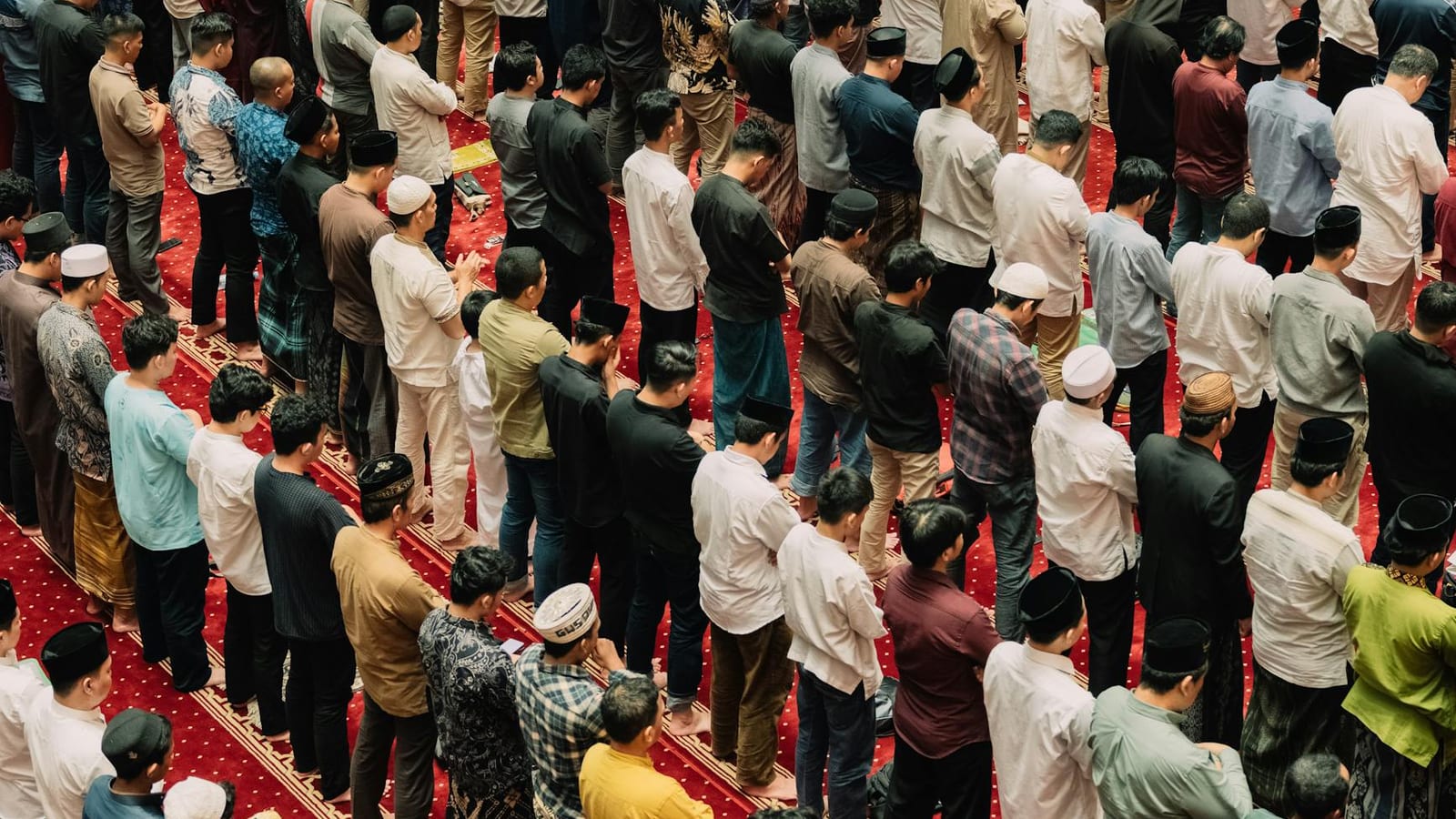
A football shirt became a kurta, a black hijab became a political argument, and an Eid prayer in the Bronx became global internet theatre.
For Indian readers, the scene felt oddly familiar. A public leader wears faith and fandom on his sleeve, another shows respect at a community event, and suddenly everyone online becomes a judge of culture, religion, and sincerity.
At the centre stood Zohran Mamdani, New York City’s first Muslim mayor, attending Eid al-Adha prayers in the Bronx. Beside him was Alexandria Ocasio-Cortez, the Catholic Congresswoman better known as AOC, wearing a black headscarf.
An Eid outfit goes global
Mamdani did not arrive in a standard kurta. He wore a custom outfit inspired by Arsenal, the London football club he has long supported.
The garment carried Arsenal colours, striped sleeves, and the club sponsor’s branding. Online users quickly began arguing over what to call it. Some saw a kurta. Others called it thobe-like.
That confusion says something useful. Clothes in immigrant cities rarely stay inside neat boxes. A football jersey can become South Asian formalwear. A Gulf-style robe can meet a New York street moment.
Mamdani’s own background adds another layer. He was born in Uganda to a family of Indian origin. He has linked his Arsenal fandom to the club’s African players and its appeal across diasporic communities.
For many Indians, this is easy to understand. Football loyalties here often travel through cable TV, migrant cousins, old jerseys, and late-night matches. They do not need geography to feel real.
The Bronx setting mattered
The prayer gathering took place in the Bronx, one of New York City’s five boroughs. Parts of it have a visible Bangladeshi Muslim presence.
In areas sometimes called Little Bangladesh, Bangla-speaking families, mosques, halal shops, and community businesses have shaped local life. This is not a museum version of culture. It is everyday survival.
For immigrant families, Eid prayers abroad carry a special weight. They mark faith, memory, food, and belonging in one morning. They also tell children that their home culture need not vanish in a new country.
That is why a mayor turning up at such an event is not just photo material. It signals who gets seen in the city’s public life.
Mamdani used the occasion to speak about sacrifice and solidarity. He connected Eid al-Adha to groceries, housing, and child care, the basic costs that trouble working families in New York.
That may sound like classic local politics. But it also reflects a larger truth. Festivals become political when communities feel ignored the rest of the year.
AOC’s hijab draws fire
AOC’s black headscarf triggered a sharper argument. Critics on the American right accused her of hypocrisy and political pandering.
Their attack rested on a familiar claim. They argued that a Catholic progressive should not wear a hijab while speaking about women’s rights and patriarchy.
This debate is not new. The hijab means different things in different places. In some countries, women fight against state-enforced covering. In other settings, women choose it as faith, identity, or modesty.
That difference matters. A headscarf at an Eid prayer in the Bronx is not the same political act as a forced dress code under a harsh state.
AOC represents parts of the Bronx in Congress. Her presence at an Eid event, then, was also local constituency work. Politicians attend church gatherings, gurdwara events, temple functions, and iftar meals all the time.
Indian voters know this playbook very well. We have seen leaders tie turbans, wear shawls, cover heads, fold hands, and sit for community meals. Sometimes it is respect. Sometimes it is theatre. Often, it is both.
The fair question is not whether a public figure wore a symbol from another faith. The better question is whether they show up only for cameras, or also for housing, jobs, safety, and dignity.
Culture wars travel fast
The viral numbers showed how quickly a local event became a global talking point. Mamdani’s Instagram post drew more than a million likes. His post on X ran into millions of views within hours.
The comments moved in two directions. Some loved the outfit and treated it like peak Eid fashion. Others treated the same images as proof of political decay.
This is how culture wars now work. A city prayer gathering becomes material for people far away, many with no stake in the local community.
For Indians, there is another layer. The image of a Muslim mayor of Indian-origin heritage wearing a football kurta in New York is not a small thing. It shows how migration keeps making new public identities.
These identities can feel messy. They do not fit old labels of Indian, African, Arab, American, Muslim, Catholic, South Asian, or left-wing. In cities like New York, people often carry several of those labels at once.
That makes some people uncomfortable. It also makes politics more honest. Modern cities are not built around one culture at a time.
What ordinary travellers may notice
For travellers, especially Indians visiting New York, this episode offers a useful reminder. The city is not only Times Square, Wall Street, and Central Park.
Neighbourhoods like the Bronx show another New York. Here, immigrant communities build their own food streets, prayer spaces, shops, and social networks.
A visitor walking through such areas may find Bengali signs, halal restaurants, mosque crowds on Fridays, and families moving between American routine and South Asian memory.
That does not make these neighbourhoods tourist props. They are living places, shaped by rent, work, language, faith, and politics. The best way to approach them is with curiosity and basic respect.
The same applies to clothing and religious gestures. A head covering at a prayer event can be etiquette. A kurta can be fashion, faith, humour, politics, and family memory in one outfit.
The internet prefers one meaning. Real life rarely does.
What happened in the Bronx was not just about an Arsenal kurta or a hijab. It was about who gets to look at home in public. For immigrant families, that question is never abstract. It decides whether their children feel like guests in a city, or citizens with a full claim to it.