British Sikhs Resist Kirpan Ban Calls After Verdict
British Sikh groups oppose renewed calls to ban the kirpan after a Southampton murder verdict, warning against blaming a whole faith community.
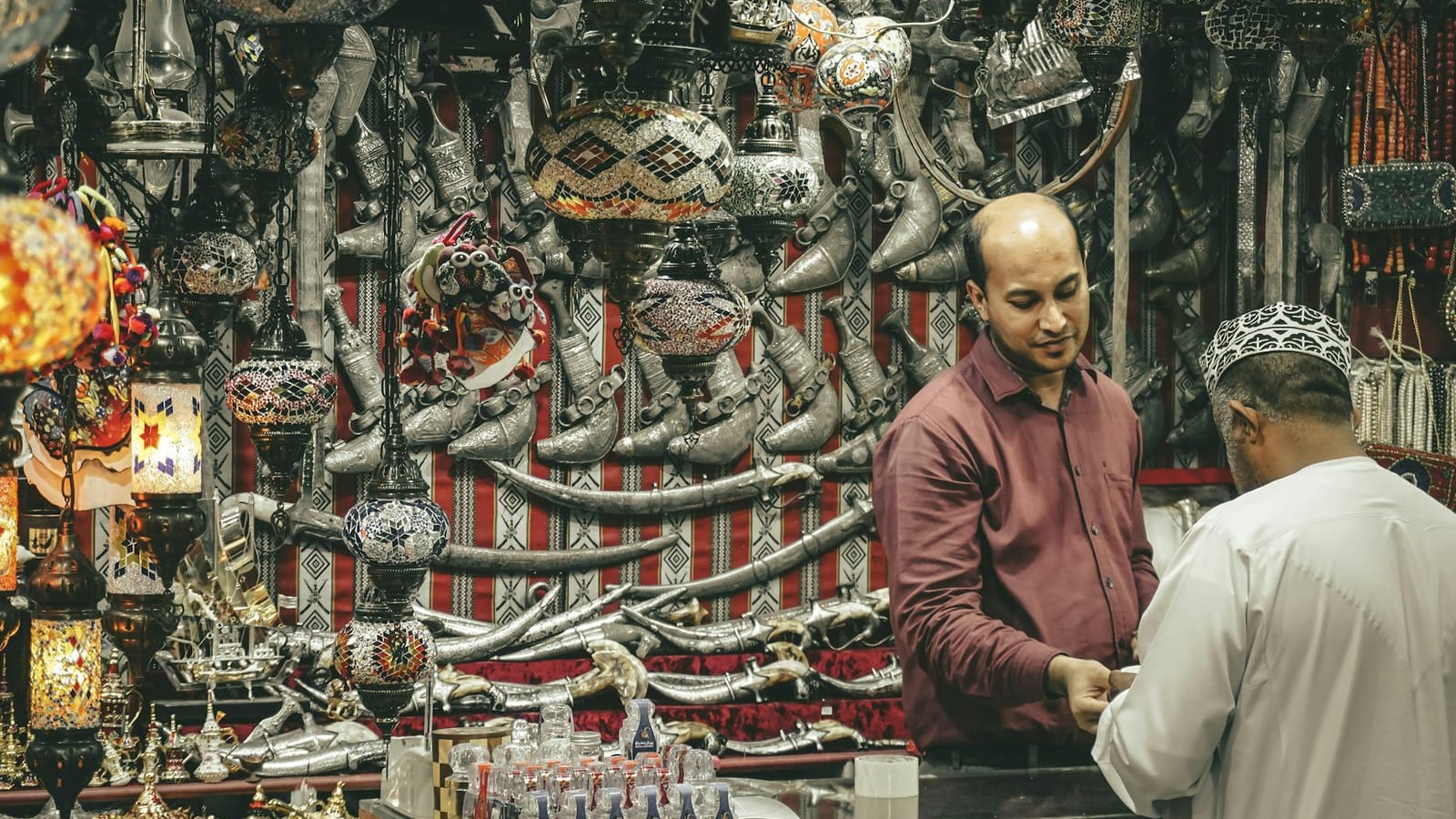
A murder trial in Southampton has reopened an old British argument, and Sikhs in the UK know the pattern too well.
One young man is dead. Another has been convicted of killing him. A grieving family now waits for sentencing. Yet within hours, the debate moved from one brutal crime to a question that touches faith, identity and public fear: should Britain ban the kirpan?
That jump has angered British Sikh groups, who say the wider community must not carry the blame for one man’s violence. Their point is simple. Punish the crime. Do not turn an article of faith into a political target.
Southampton case puts kirpan under glare
Vickrum Digwa, 23, was found guilty at Southampton Crown Court of murdering 18-year-old Henry Nowak. The killing happened in Portswood, in south-east England, in the early hours of December 4 last year.
The court heard that Digwa used a 21-cm dagger in the fatal stabbing. He denied murder and argued that he had acted in self-defence. He also claimed he carried the blade for religious reasons.
His mother, Kiran Kaur, 53, was convicted of helping an offender. The court heard she removed the weapon from the scene after the attack.
Digwa will be sentenced on Monday. Kaur is due to be sentenced on July 17.
The facts of the case are grim enough on their own. But the trial also dragged the kirpan into public debate. Some right-wing voices called for a ban, arguing that no religious exception should allow people to carry blades.
That is where the Sikh groups pushed back hard.
Sikh groups warn against backlash
The City Sikhs Foundation said calls for a kirpan ban risked blaming a whole community for one criminal act. It condemned Nowak’s murder, but warned against using the case to stigmatise Sikhs.
For Sikhs initiated into the Khalsa tradition, the kirpan is not a casual knife. It is an article of faith. It reminds the wearer to protect the weak and stand against injustice.
That distinction matters. A kirpan is not worn to threaten people. It is meant to carry religious meaning, discipline and responsibility.
British Sikh groups say Sikhs have worn the kirpan responsibly in Britain for generations. The community has lived in the country for more than 160 years, working in public services, business, education, transport and politics.
For many Sikh families in the UK, this debate will feel personal. A parent sending a child to school with visible Sikh identity already knows how quickly ignorance turns into suspicion.
A ban campaign can make that fear worse. It tells a law-abiding community that its faith can come under review whenever one person commits a crime.
What UK law actually says
The kirpan sits in a narrow legal space in Britain. UK law generally restricts people from carrying bladed articles in public. But it allows defences in specific situations, including religious reasons.
That does not mean anyone can carry any blade and call it a kirpan. Nor does it mean a religious article can be used in violence.
Sikh Federation UK made that point clearly. It said the law protects fully practising Sikhs who wear a kirpan for religious reasons. If someone uses a kirpan or any blade aggressively, that protection disappears.
In plain English, faith may explain why someone carries a kirpan. It does not excuse using it as a weapon.
That is the line prosecutors also stressed in court. The case, they said, was about murder. It was not a trial of Sikhism. It was not a trial of race.
This distinction often gets lost in noisy public debate. A legal exemption does not create a free pass. It creates room for a genuine religious practice, while keeping violence punishable under criminal law.
India understands this argument better than most countries. Religious symbols are part of public life here, from turbans to threads to temple marks. But Indians also know symbols can become easy targets when politics needs a shortcut.
The harder work is to separate individual guilt from collective identity.
Police actions add another controversy
The case has another painful layer. When police first arrived at the scene, officers handcuffed Henry Nowak.
The court heard that Digwa had claimed Nowak had racially threatened him. He also denied that any weapon had been used. Once officers realised how serious Nowak’s condition was, they removed the handcuffs and called an ambulance.
Hampshire and Isle of Wight Constabulary officers now face a probe by the Independent Office for Police Conduct.
Robert France, Temporary Deputy Chief Constable of the force, said he was deeply sorry that Nowak had been handcuffed and arrested as he lost consciousness.
That apology will not settle the matter. For Nowak’s family, the image is unbearable. Their son was dying, and the first official action treated him as a suspect.
For police forces in diverse societies, this is the nightmare zone. Officers must make quick decisions with incomplete facts. But those decisions carry huge moral weight when someone is badly injured.
The case has now entered Britain’s wider argument about policing, race and fairness. Reform UK MP Robert Jenrick has written to Home Secretary Shabana Mahmood, calling for a review of police anti-racism training.
His argument is that police should act in a colour-blind way, treating everyone equally before the law.
That sounds simple. In real life, policing is rarely simple. Officers must judge risk, evidence, witness accounts and medical urgency within minutes. But equality before the law cannot mean ignoring facts, and it cannot mean letting assumptions drive life-and-death choices.
Why Indians should watch this debate
For Indian readers, this is not just a British story. It sits at the crossing point of diaspora identity, religious freedom and modern security fears.
The UK has a large Sikh population with deep roots in Punjab and India. Many families still move between Britain and India for weddings, business, education and care work. What happens to Sikh identity abroad matters here too.
A kirpan ban debate also tells us something about how migrant communities live under pressure. One criminal case can become a test of belonging. One weapon can become a symbol of suspicion. One faith practice can be pulled into electoral politics.
That does not mean difficult questions should be avoided. The public has a right to ask how the law handles blades. Courts must examine whether someone carried a genuine kirpan, a larger weapon, or something misused as religious cover.
But serious questions need serious answers. A blanket ban may sound neat on television. It rarely solves the deeper problem.
If the concern is violent crime, Britain must focus on violent crime. If the concern is misuse of religious exemptions, courts already have tools to test that. If the concern is public fear, leaders should explain the law clearly instead of feeding panic.
The death of Henry Nowak deserves justice without distraction. The Sikh community deserves fairness without suspicion. Britain now has to show it can hold both truths at once, because that is what mature democracies must do when grief, faith and politics collide.