Coolcations Push Indian Travellers Beyond Hill Hubs
Heatwaves, crowding and higher hotel rates are reshaping summer holidays as Indians choose quieter hill towns, cooler valleys and shorter breaks.
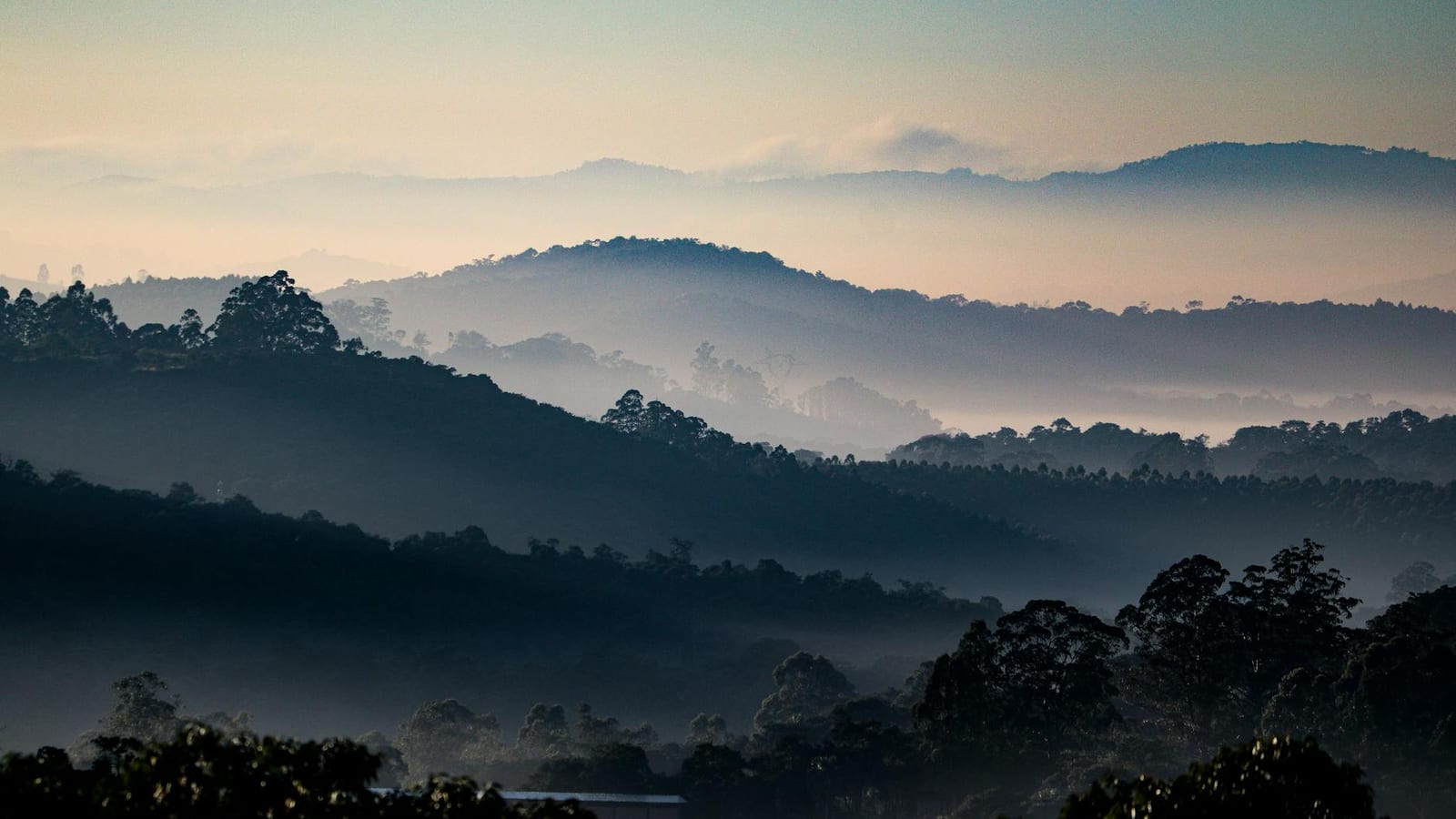
The old Indian summer holiday had a simple script. Pack the family, flee the heat, reach a hill station, and hope the hotel had working fans.
That script is now changing. Travellers across India are looking beyond the usual crowded names. They want cooler air, shorter breaks, quieter roads, and places with a story.
This is not just about pretty views. Heatwaves, packed tourist towns, higher room rates, and tired city lives are pushing people to rethink travel.
Coolcations are changing summer travel
The word sounds fancy, but the idea is simple. A coolcation means choosing a cooler place because the heat has become too much.
For Indian families, this makes instant sense. A May holiday in the plains can now feel like punishment. Parents want children outdoors, not trapped inside hotel rooms.
That is why the summer map is spreading out. Travellers still love Shimla, Manali, Ooty, and Munnar. But many now search for smaller hill towns and valleys nearby.
This shift also shows a little travel maturity. People no longer want only a famous viewpoint and a market road. They want mist, walking trails, local food, and some silence.
The source list points to this wider mood. It talks about quiet hill stations, hidden Himalayan escapes, and slower summer journeys. That says something about demand.
For working couples, the logic is even sharper. A long holiday needs planning, leave approvals, and money. A three-day escape to cooler weather feels more realistic.
Quieter hills find new attention
The Himalaya remains India’s favourite escape valve. But the pressure on famous towns has become hard to ignore.
Traffic jams before hill stations now feel like part of the package. Room prices climb during school holidays. Restaurants overflow. The mountain break starts looking like city stress at altitude.
That is why smaller places are getting noticed. Sissu, in Himachal Pradesh’s Lahaul Valley, fits this new taste well.
It sits beyond Manali, but it does not carry Manali’s frantic tourist energy. Travellers go there for river views, trails, stargazing, and Lahaul’s local culture.
The attraction is not grand luxury. It is space. In today’s travel market, space has become a real premium.
This also helps spread income beyond the usual tourism hotspots. Small homestays, local cafes, drivers, and guides can benefit when travellers go wider.
But there is a catch. A quiet place does not stay quiet by accident. Once Instagram discovers it, roads, waste, and water use follow quickly.
The Himalaya already carries a heavy tourism burden. More visitors can help local economies. But careless growth can ruin the very calm people came to find.
Heritage trips feel more alive
Another clear trend is the return of culture-led travel. But this is not the old museum-and-monument routine.
Travellers now seem more interested in places where history still lives in daily life. That makes destinations like Warangal especially interesting.
Warangal’s Kakatiya past is not only about temples and ruins. It survives through rituals, neighbourhood memory, reused spaces, and ordinary conversations around old sites.
That matters because Indian heritage often gets treated like frozen stone. You buy a ticket, take a photo, and leave. But real heritage is messier and warmer.
It sits in markets, festivals, food habits, and the way locals explain a place. First-time visitors often remember these small details more than the plaque outside a monument.
This is also why Karaikudi has strong travel appeal. The town draws people through Chettinad mansions, antique markets, handloom sarees, and local cuisine.
Karaikudi rewards slow travel. You cannot rush through a mansion, a market lane, and a proper meal like a checklist.
For Indian travellers, this style feels familiar yet fresh. It offers culture without the stiffness of a guided lecture.
It also suits older travellers and families. They may not want hard treks or crowded adventure hubs. But they want a destination with texture.
Short breaks become serious business
Micro escapes are another big clue. These are short trips built around busy lives.
A micro escape could mean a weekend stay near the city. It could also mean two nights in a hill town, forest lodge, or coastal homestay.
For many urban Indians, this is now the default holiday. People have money for travel, but not always time. Work chats do not respect vacation calendars.
This format has changed what travellers value. They want easy access, clean rooms, good food, and a clear change of pace.
They may not cover ten attractions. They may simply walk, sleep better, eat locally, and return on Monday.
That sounds modest, but it is powerful. Travel no longer needs to prove itself through distance. A short reset can matter as much as a long itinerary.
Weekend guides for Delhi, Mumbai, Kolkata, and Bengaluru also show this pattern. Urban Indians are treating events, food festivals, concerts, and workshops as mini travel moments.
For restaurants, venues, hotels, and local transport providers, this is valuable demand. It spreads spending across the year, not just peak vacation months.
Monsoon and islands widen the map
The monsoon has also become more marketable. Earlier, many families avoided rainy travel. Now, some travellers actively chase green landscapes and waterfalls.
South India’s monsoon destinations fit that mood. Waterfalls, hill stations, and cooler weather offer a different kind of holiday.
Of course, monsoon travel needs caution. Roads can close. Treks can turn risky. Families must check weather, transport, and local advice before booking.
The same practical thinking applies to island travel. The overnight cruise to Barren Island is a striking example.
A voyage from Port Blair into the Andaman Sea brings travellers within sight of India’s only active volcano. That is rare, dramatic, and deeply memorable.
But it is not a casual beach outing. Sea conditions, permissions, safety norms, and operator quality matter. A beautiful trip can quickly become stressful without planning.
This is where good travel information becomes important. Indian travellers are curious, but they are also budget-conscious. They need clear details, not just dreamy photos.
The larger story is simple. India’s travel appetite is no longer one-size-fits-all. Backpackers, families, retirees, and working couples want different versions of escape.
Some want cool air. Some want living history. Some want a two-night pause. Some want a rain-soaked trail or a volcanic horizon.
For ordinary readers, the message is useful. The best Indian holiday may not be the most famous one. It may be the place that fits your season, budget, energy, and patience. As summers grow harsher and crowds grow louder, that choice will matter even more.