Cooler, Quieter Trips Reshape India's 2026 Holidays
Heatwaves and crowd fatigue are pushing Indian travellers toward cooler, quieter destinations, widening summer holiday choices beyond classic hotspots.
The Indian summer holiday has quietly changed shape. It is no longer just a race to book Shimla, Goa, or Jaipur before prices climb.
Families, young couples, and solo travellers are now looking for cooler air, fewer crowds, and trips that feel less rushed. Heatwaves have pushed many people to rethink where they go, how long they stay, and what comfort actually means.
That is why the 2026 travel map feels wider. It stretches from Lahaul’s quiet valleys to Kerala’s ritual towns, from Buddhist circuits to an overnight cruise near India’s only active volcano.
Heat is changing holiday plans
For years, summer travel in India followed a familiar script. Schools shut, trains filled up, and hill stations became crowded enough to feel like city markets with pine trees.
That script is wearing thin. As temperatures rise across the plains, travellers are choosing “coolcations”, which simply means holidays in cooler places. The idea is not fancy. It is survival mixed with leisure.
A working couple in Delhi may now prefer a quiet Himachal village over a packed mall weekend. A family from Mumbai may choose monsoon hills in South India instead of a hot beach break.
This shift also explains the rise of slower travel. People do not just want to tick off five spots in three days. They want to stay longer, walk more, eat locally, and avoid spending half the trip in traffic.
For hotels and homestays, this is a clear signal. Travellers want clean rooms, reliable Wi-Fi, decent food, and calm surroundings. Luxury now often means space, silence, and weather that lets you sleep.
Hills beyond the usual rush
Himachal Pradesh remains central to this change, but the traveller’s eye has moved beyond Manali and Shimla. Smaller places now carry the appeal once reserved for famous hill towns.
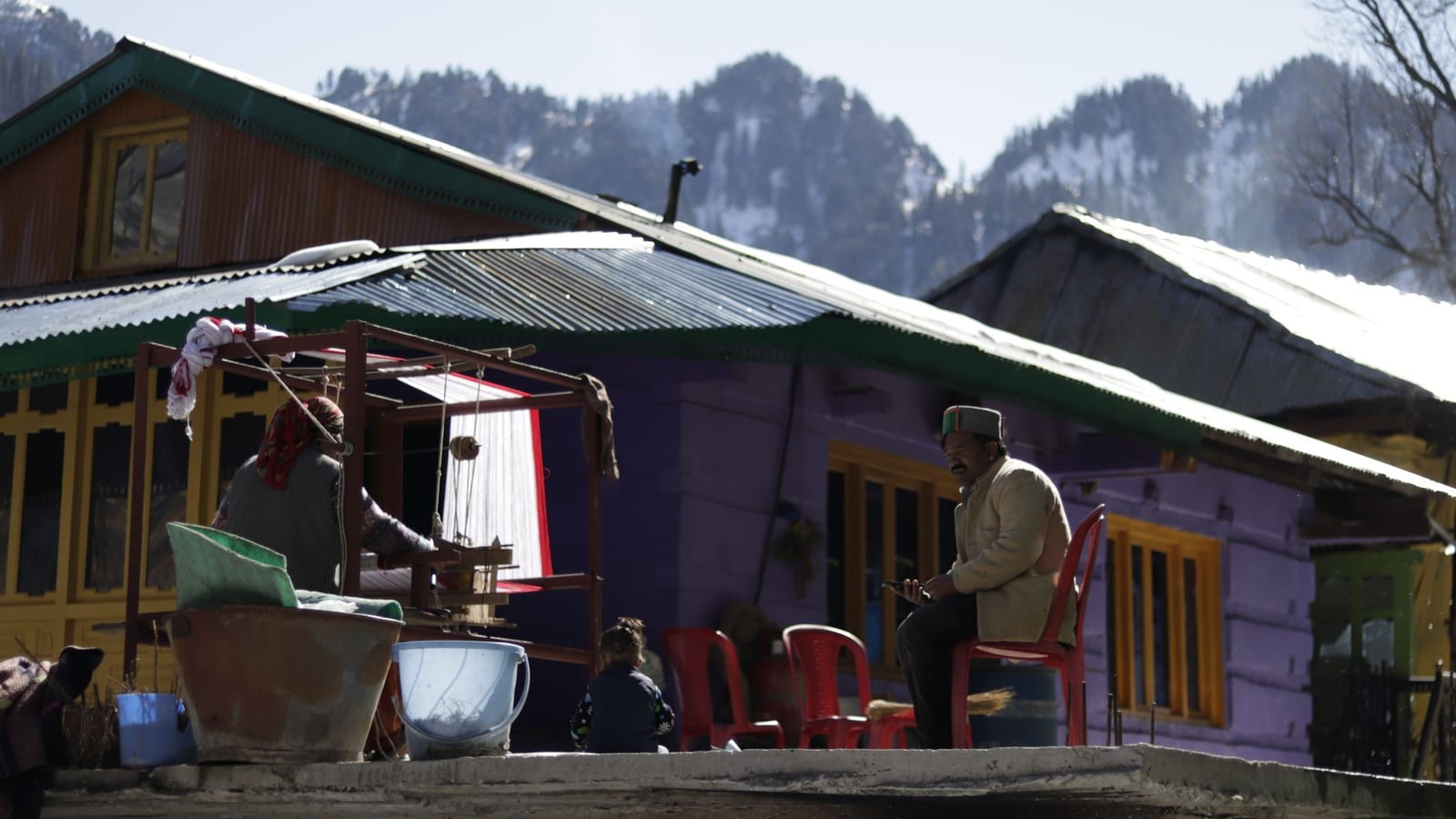
Sissu in Lahaul Valley is a good example. It offers river views, mountain trails, clear skies, and a slower rhythm beyond the Manali crowd. For first-time visitors, the surprise is how quickly the mood changes after crossing into Lahaul.
The appeal is not only about scenery. It is also about breathing room. Roads may still be tiring, and weather can turn quickly. But travellers now accept that trade-off for cleaner landscapes and quieter stays.
The same pattern shows up across India’s lesser-known hill stations. Misty valleys, pine forests, and small market towns are drawing people who want a break without the tourist crush.
But there is a warning here. Once a “quiet” place becomes popular on social media, pressure follows. Roads get choked, local rents rise, and waste becomes harder to manage.
The smarter traveller will need to move with some care. Book local stays where possible. Avoid peak weekends. Ask whether a place can handle visitors before turning it into another overcrowded escape.
Culture is becoming the itinerary
Not every summer break is about altitude. Many travellers are also choosing places where history still lives in daily routine, not only behind ticket counters.
In northern Kerala, cultural travel now means Theyyam shrines, old caves, temple towns, and local ritual spaces. These are not casual selfie stops. They need patience, respect, and basic homework.
That matters because cultural travel can easily become shallow. A visitor may see colour, costume, and performance, but miss the community meaning behind them. The better trip begins with listening.
Warangal in Telangana offers another kind of cultural journey. Its temples, ruins, forts, and street life keep the Kakatiya story alive in everyday form. History there does not sit frozen inside a museum case.
Karaikudi in Tamil Nadu brings a different texture. Grand Chettinad mansions, antique shops, handloom sarees, and strong local food make the town ideal for slow exploration.
These places suit travellers who enjoy walking, talking, and noticing small details. They are less rewarding for those who want only quick attractions and air-conditioned transfers.
For local businesses, this kind of tourism can bring steady income. Guides, cooks, weavers, drivers, and homestay owners all gain when visitors stay longer and spend locally.
Faith routes find new travellers
India’s Buddhist circuits are also seeing renewed attention, especially around Buddha Purnima. Bodh Gaya, Sarnath, Kushinagar, Vaishali, and Dharamshala offer journeys shaped by memory, faith, and landscape.
Bodh Gaya remains the centre of that map. It is where the Buddha is believed to have attained enlightenment, and pilgrims still arrive from across Asia.
But the wider Buddhist trail tells a larger story. Odisha’s Ratnagiri, Udayagiri, and Lalitgiri reveal an older Buddhist past linked to monks, trade, and learning. Bihar’s roads connect places tied to key moments in the Buddha’s life.
For Indian travellers, these routes offer more than religious value. They show how ideas moved across regions long before airports and expressways existed.
Dharamshala adds another layer through living Tibetan Buddhist culture. Monasteries, prayer flags, cafes, and mountain paths create a very different experience from the Gangetic plains.
These journeys need better facilities, clearer information, and more sensitive visitor behaviour. Pilgrimage sites cannot be treated like picnic spots. Their power comes from quiet, not noise.
Islands, rains and shorter breaks
The Indian travel calendar is also moving beyond the old dry-season logic. The monsoon is no longer just something to avoid.
South India’s rainy destinations now attract visitors who want waterfalls, green hills, cool air, and quieter hotels. The experience can be lovely, but it demands practical planning.
Roads may close. Waterfalls can become risky. Leeches, slippery paths, and sudden weather changes are real. A good rain holiday needs proper shoes, flexible plans, and respect for local advisories.
Andaman and Nicobar Islands add another dramatic option. An overnight voyage from Port Blair can take travellers within sight of Barren Island, India’s only active volcano.
That is not an ordinary beach holiday. It is a rare chance to see black volcanic slopes rise from the sea. Visitors may also spot smoke from the crater, depending on conditions.
Then there are micro escapes. These are short breaks of two or three days, built around busy work lives. They could mean a local staycation, a nearby hill town, or a quick cultural weekend.
For many urban Indians, micro escapes feel more realistic than long holidays. Leave balances are tight. Flights are expensive. Family schedules rarely align neatly.
This is where India’s travel industry must grow up. Short breaks still need good transport, fair pricing, clean toilets, safe roads, and honest information. Romance alone does not carry a trip.
The next big Indian holiday may not be the farthest one. It may be the one that lets people breathe, learn something, and return without feeling drained. In a hotter, busier country, that kind of travel will matter more than ever.