Doha peace push eases India fuel price worries
Doha talks on a US-Iran deal could lower Hormuz risks, easing crude prices and pressure on India's fuel, freight and airline costs this week.
Oil prices fell before peace arrived, which tells you how nervous the world has become.
For India, this is not some faraway West Asia drama. The Strait of Hormuz sits at the centre of our fuel bill, airline costs, and Gulf-linked family budgets.
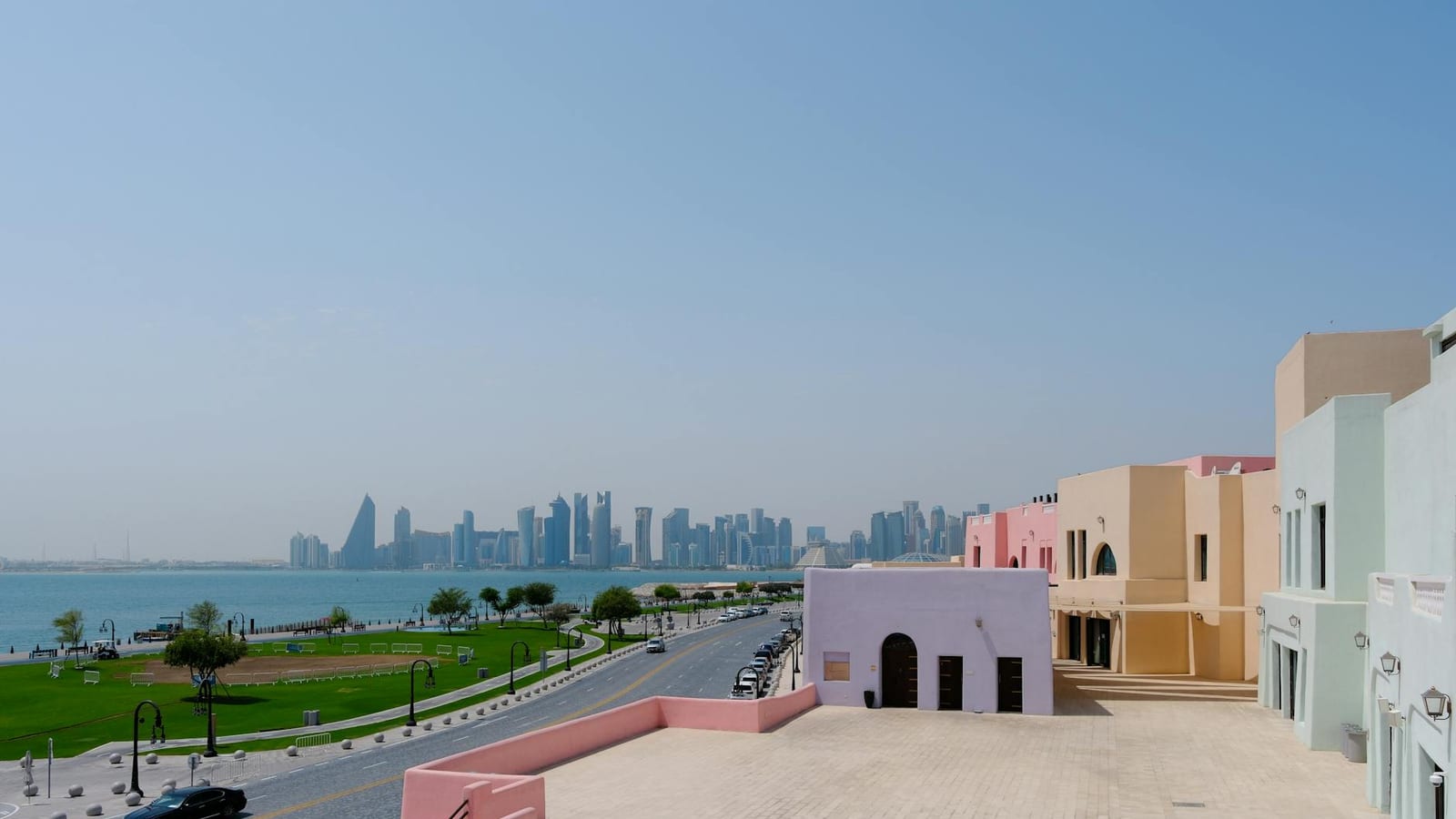
That is why talks in Doha matter. Senior Iran officials reached Qatar on Monday as mediators pushed a possible deal with the United States.
Doha talks carry India’s fuel risk
The proposed framework aims to end nearly three months of conflict and reopen the key sea route. That route carries a large share of global oil and liquefied natural gas.
When Hormuz shuts or becomes risky, crude traders panic first. Ordinary people feel it later, through petrol, diesel, LPG, flights, and freight.
Brent crude fell below $96 a barrel on Monday as markets sensed a possible diplomatic opening. WTI also slipped sharply.
That fall does not mean the crisis has ended. It means traders now see a chance that ships may move again.
For India, even a small oil price swing matters. A cheaper barrel eases pressure on the rupee, import bills, and government fuel math.
A more expensive barrel does the opposite. It quietly raises costs across the economy, from vegetables to bus fares.
The deal is still fragile
US President Donald Trump said talks were moving, but no agreement had been finalised. He also said the US naval blockade around Iran would stay until a signed deal arrived.
US Secretary of State Marco Rubio struck a harder note. Speaking in New Delhi, he said diplomacy would get its chance, but Washington had other options.
Iran’s Foreign Ministry spokesperson Esmaeil Baghaei sounded careful too. He said progress had happened on several points, but not enough for a final agreement.
That gap matters. Peace talks often look closest just before they get stuck.
The hardest issues remain Iran’s enriched uranium stockpile, sanctions relief, frozen Iranian assets, and control over Hormuz.
In plain English, America wants Iran’s nuclear programme tightly limited. Iran wants money, trade access, and security guarantees.
Neither side wants to look like it blinked first. That makes even a practical deal politically expensive.
Israel watches with unease
Israel has a separate worry. Prime Minister Benjamin Netanyahu wants any final arrangement to address Iran’s nuclear capacity in a hard, visible way.
Israeli officials have also insisted that Israel must keep military freedom against threats in Lebanon and elsewhere.
That position complicates the talks. Iran wants a wider halt to attacks, while Israel wants room to strike if it sees danger.
Israel’s opposition leader Yair Lapid criticised the emerging deal and said it failed to meet Israel’s war aims. His attack also showed domestic pressure on Netanyahu.
This is the familiar West Asia knot. One country’s ceasefire can look like another country’s security risk.
Trump has also pushed for more countries to normalise ties with Israel under the Abraham Accords. Saudi Arabia, however, has held to its old line.
Riyadh wants a clear path to a Palestinian state before normalising relations. That condition keeps the regional bargain far from simple.
Lebanon keeps paying the price
Even as diplomats talked, fighting continued in Lebanon. The Israeli military said it struck more than 70 Hezbollah targets across the country.
Lebanon’s state-run news agency reported Israeli strikes in the south, including attacks that killed seven people.
Lebanon’s Health Ministry said the death toll from the Israel-Hezbollah war had risen to at least 3,185 since open war began on March 2.
Hezbollah also launched drones toward northern Israel. The Israeli military said two explosive drones crashed near the border, with no injuries reported.
This is the cruel part of such negotiations. Markets price in hope while border towns still count the dead.
For families in southern Lebanon, northern Israel, and across the Gulf, diplomacy is not an abstract word. It means whether children sleep through the night.
It also affects Indians in the region. Millions work across West Asia, and any wider conflict brings anxiety to households back home.
India cannot look away
India has kept its channels open. Foreign Secretary Vikram Misri spoke with Iran’s Deputy Foreign Minister Majid Takht-Ravanchi about regional developments and bilateral ties.
That call was not routine diplomatic politeness. India needs stability in West Asia more than most large economies.
We buy energy from the region. Indian workers send money home from Gulf countries. Our airlines cross these skies.
Even tourism feels the pressure. When fuel costs jump, airlines adjust fares. Families planning holidays or pilgrimages often delay bookings first.
Businesses feel it too. A small exporter in Gujarat or Tamil Nadu does not track every missile strike. But freight rates tell the story soon enough.
That is why India usually prefers quiet diplomacy in West Asia. Taking loud positions may satisfy television debates, but ships and citizens need calm routes.
The Doha talks may yet produce a deal. They may also break under the weight of mistrust, nuclear fears, and regional rivalries.
For ordinary Indians, the lesson is simple. A narrow waterway far from home can still decide what we pay at the pump, in the market, and at the airport. The next few days will show whether this fall in oil prices was the first sign of relief, or just another pause before the region heats up again.