Golan Heights Visit Shows Israel's Border Tensions
Bental Mountain in the Golan Heights shows how Israeli security, Syrian proximity and tourist routes now overlap in a tense border region.
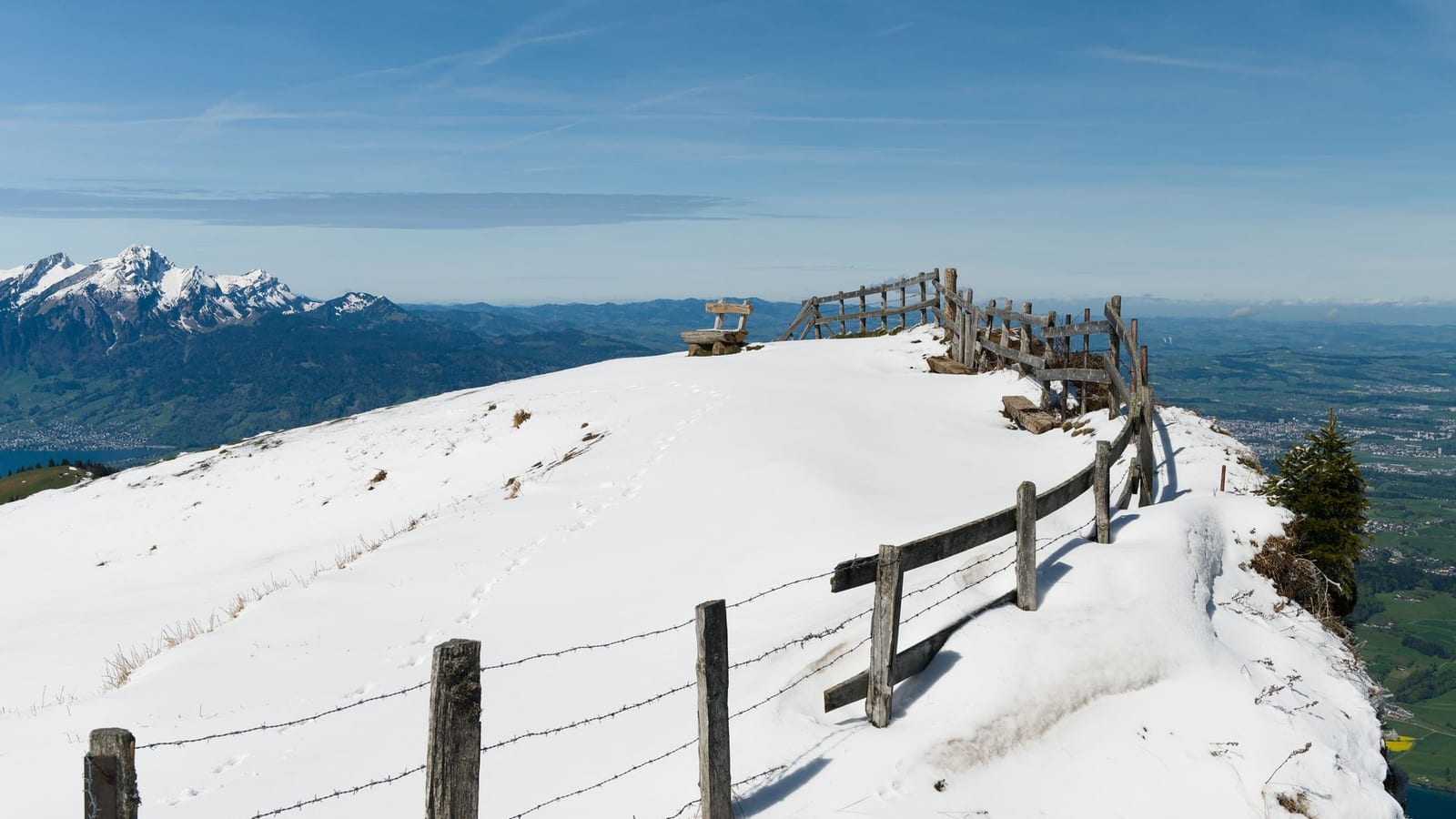
A tourist viewpoint can turn into a watchtower very quickly in the Middle East.
On Bental Mountain, the view is stunning and unsettling. The Golan Heights rolls out in hard brown ridges, with Syria close enough to feel less like a foreign country and more like the next field.
For Indian travellers, this is not the postcard version of West Asia. It is the version where history, border security, and holiday routes sit uncomfortably close.
Bental Mountain watches Syria closely
Bental Mountain is barely 35 kilometres from Damascus. That single fact explains why Israel treats this plateau with such seriousness.
Old trenches, bunkers, and observation posts still stand here. Israeli soldiers continue to watch movement across the Syrian side through the day and night.
The Golan Heights gives Israel a clear view over northern Israel and southern Syria. In plain terms, whoever holds the high ground sees trouble early.
Israel captured the area from Syria during the 1967 Six-Day War. Since then, the region has seen wars, artillery fire, militant activity, and tense pauses.
For a visitor, that history is not hidden inside museums. It sits in the landscape itself, in military roads, fencing, and lookout points.
Islamic State fears return
The latest concern is not only about old rivalries. Israeli forces now worry about Islamic State-linked elements operating inside southern Syria.
Strategic affairs expert and regional guide David Baruch said Islamic State still poses a constant threat in this sector. He said Israeli forces cannot step back without clear security guarantees from the Syrian regime.
That is a hard sentence with a simple meaning. Israel fears that any empty space across the border may invite armed groups.
The Syrian side remains unstable after years of war. Such instability creates room for extremist factions, smugglers, and proxy groups to move.
Israel has expanded deployment deeper into an area earlier treated as a demilitarised buffer zone. It says the move responds to infiltration fears and weak control on the Syrian side.
For ordinary people near the border, this means a tense normal. Farmers, families, soldiers, and local businesses live with alerts that can change daily routines.
Hezbollah attack still haunts civilians
The fear here is not theoretical. In July 2024, rockets fired by Hezbollah killed 12 children in the Golan Heights region.
That attack still hangs over the area. It showed how fast a border crisis can reach civilian spaces.
The recent Iran-Israel escalation has added to that anxiety. The region saw missile activity earlier this year, which renewed fears about the northern frontier.
Iran-backed groups, Hezbollah, Syrian instability, and Islamic State-linked factions now overlap in one narrow belt. That makes the Golan Heights a difficult security puzzle.
For Indian readers, think of it this way. This is not one dispute with two sides. It is a crowded chessboard, with each player watching the same ridge.
That is why soldiers remain battle-ready even when the landscape looks quiet. Quiet in such places often means only that nothing has happened yet.
UN patrols walk a tight line
The United Nations Disengagement Observer Force has monitored the ceasefire line since 1974. Its patrols and observation posts remain active across parts of the buffer zone.
The UN mission’s job sounds simple on paper. Watch the line, record violations, and help keep both sides apart.
On the ground, that work has become more sensitive. Repeated flare-ups and militant activity make every patrol more delicate.
The presence of UN forces also reminds visitors that this border has not settled into peace. It has only been managed, watched, and contained.
Travel writers often describe the Golan through wine estates, viewpoints, and volcanic hills. That picture exists, but it is incomplete.
The practical reality is sharper. Travel plans in this region depend on security advisories, local restrictions, and sudden military alerts.
What Indian travellers should understand
Many Indians now travel deeper into West Asia than earlier generations did. They visit Israel for history, faith, food, work, and family reasons.
But the Golan Heights is not like a regular hill drive. It is a border zone with active military relevance.
That does not mean every traveller must avoid the region at all times. It means they must treat it differently from a casual sightseeing stop.
Indian travellers should check official advisories before planning routes near northern Israel. They should also follow local instructions without argument.
If a road closes, it closes for a reason. If a viewpoint has restricted access, that is not a tourism inconvenience.
Families with children, solo travellers, and older tourists should be especially careful with timing. Long drives near sensitive zones need flexibility.
Tour operators also carry responsibility here. They must explain security conditions clearly, instead of selling only dramatic views and war-history anecdotes.
For many first-time visitors, the surprise is how ordinary life continues beside such tension. People work, guide tourists, run cafes, and raise families.
That normalcy can mislead outsiders. It can make a volatile area feel safer than it is.
The Golan Heights tells a larger story about travel in conflict-shadowed places. Beauty and danger do not always live far apart.
For Indian readers planning West Asia travel, the lesson is simple. Go with curiosity, but also with respect for the ground beneath your feet. In places like Bental Mountain, the view is never just a view.