Hajj Opens in Mecca as Extreme Heat Tests Pilgrims
Saudi Arabia's Hajj begins with over 1.5 million foreign pilgrims facing severe Mecca heat, higher travel costs and regional tensions.
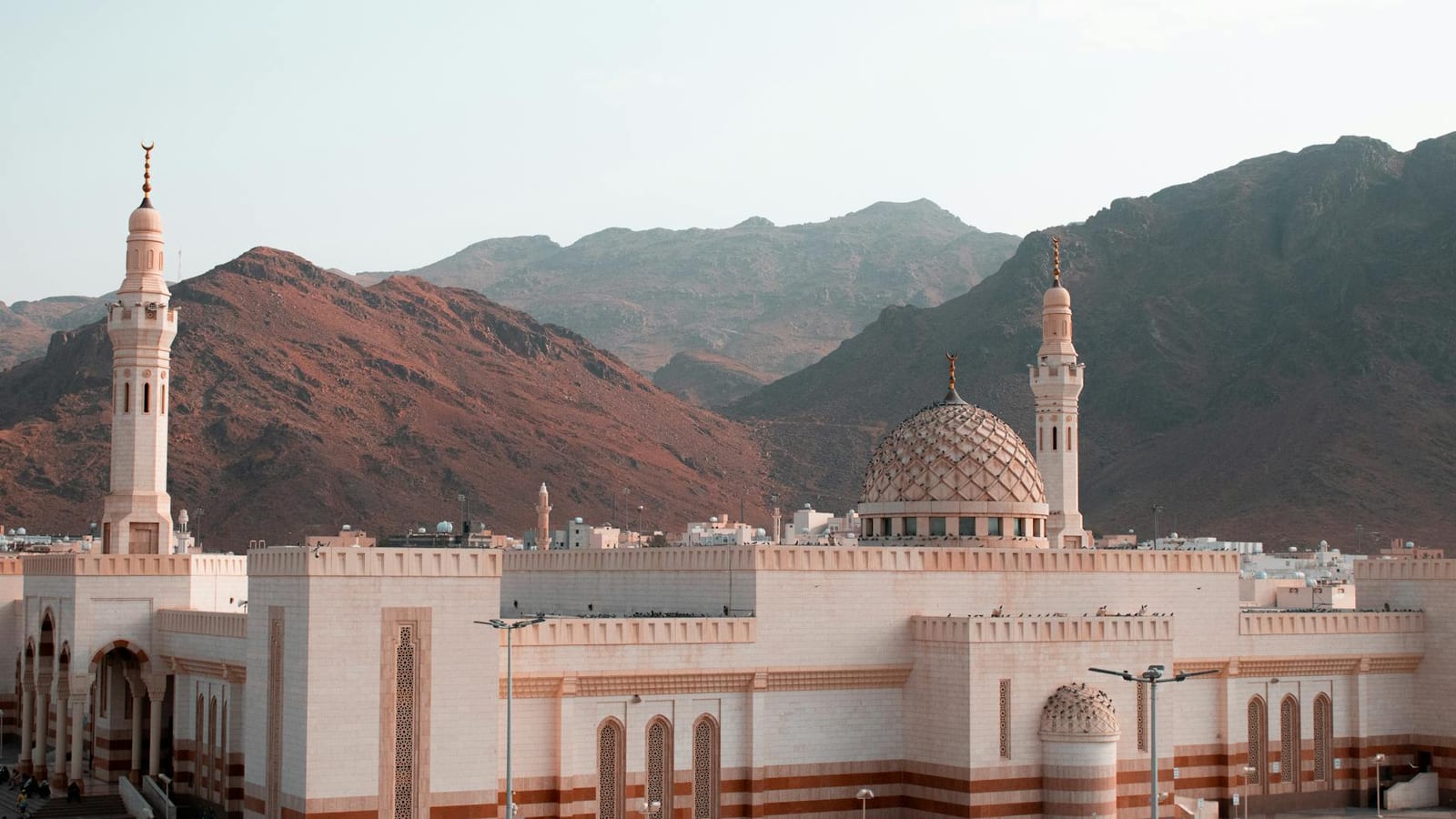
The first thing many pilgrims reached for in Mecca was not a camera, but an umbrella.
The annual Hajj pilgrimage began on Monday in Saudi Arabia, with more than 1.5 million pilgrims arriving from abroad. For many, this is the journey they have saved for over years, even decades.
But this year’s Hajj carries extra weight. The heat is brutal. Travel costs have risen. And the wider Middle East remains tense after the Iran conflict and a fragile ceasefire.
Heat tests pilgrims in Mecca
In Mecca, pilgrims have already been moving around the Kaaba in the Grand Mosque. This is one of the most recognisable sights in Islam, yet it is also physically demanding.
The temperature has forced many pilgrims to slow down. Umbrellas, small fans, and water bottles have become as important as travel documents.
Volunteers have been handing out water. Large fans have sprayed mist near crowded areas. These small comforts matter when lakhs of people move together under harsh sun.
For elderly pilgrims, the challenge is even sharper. Hajj is not a relaxed holiday. It demands walking, waiting, patience, and discipline.
Egyptian pilgrim Samya Abdul Moneim captured that emotion simply. She said she felt blessed and deeply happy to have reached Mecca.
That line explains why people still come despite every hardship. Hajj is not just travel. For Muslims who can afford it and are physically able, it is a once-in-a-lifetime duty.
Mina and Arafat await pilgrims
On the first day, many pilgrims move from Mecca towards Mina. This is the vast tent city in the desert near the holy city.
Mina is where Hajj begins to feel truly collective. Pilgrims from different languages, countries, and income groups live side by side.
For Indian readers, that scale is easy to understand, yet hard to imagine. Think of a massive Kumbh-like movement, but bound by a strict ritual calendar.
The key moment comes at Arafat. Pilgrims stand in prayer, ask for forgiveness, and make personal supplications.
Many carry prayer requests from family members back home. Some will have relatives in Mumbai, Hyderabad, Lucknow, Kozhikode, or Bhopal waiting for updates.
That is the human side often missed in travel talk. Behind every pilgrim is a household that planned, saved, worried, and prayed.
For many Indian Muslim families, sending someone for Hajj is not a casual expense. It can mean years of savings, careful paperwork, and medical preparation.
War worries shadow the journey
This year, Hajj is taking place under the shadow of regional uncertainty. The Iran conflict has already unsettled travel and energy markets.
US President Donald Trump said a peace understanding had been largely negotiated after calls with Israel and regional allies. He said the agreement still needed final approval.
That matters because the Strait of Hormuz sits at the heart of global energy movement. When tension rises there, oil and gas prices react quickly.
For ordinary families, that can show up in boring but painful ways. Air tickets become costlier. Tour packages get tighter. Fuel-linked charges creep up.
Indonesia has stressed contingency planning for its pilgrims. Officials there have also said extra travel costs should not fall on pilgrims.
In India, Hajj planning has continued broadly as usual. Still, higher fuel prices have added pressure to travel costs.
That is the part travel brochures rarely mention. A pilgrimage has spiritual meaning, but it also depends on airlines, visas, forex, hotels, buses, and food logistics.
When the region shakes, even slightly, pilgrims feel it at the ticket counter.
India watches costs closely
India has one of the world’s largest Muslim populations, so Hajj is never a distant foreign story here.
Every season brings familiar family conversations. Who is eligible this year? How much will the package cost? Is the health condition manageable? Can elderly parents travel safely?
The current anxiety sits on top of those usual concerns. Families track news from the Gulf more closely when someone they love is in Mecca.
For working couples and middle-class households, the rise in travel costs can force hard choices. A few thousand rupees extra may not sound huge in policy talk. At home, it can upset months of budgeting.
For older pilgrims, health becomes the bigger worry. Heat can exhaust even fit travellers. It can be far tougher for those with diabetes, blood pressure, or heart conditions.
Saudi authorities have experience managing huge crowds. Even then, the mix of heat and mass movement leaves little room for carelessness.
Pilgrims must pace themselves. They need water, shade, proper footwear, and rest. Faith carries them forward, but the body still has limits.
That practical point is not disrespectful. It is exactly how families keep the journey safe and meaningful.
A pilgrimage beyond borders
Hajj has always been more than a religious trip. It is one of the world’s largest annual movements of people.
The sight itself carries a message. Rich and poor wear simple clothing. Nationality fades for a few days. Status matters less than devotion.
That is why the pilgrimage holds such power for believers. It offers a rare sense of unity in a divided world.
This year, that symbolism feels sharper. Pilgrims are gathering while governments negotiate, armies watch, and markets react.
The contrast is striking. Leaders talk of blockades, oil routes, and ceasefires. Pilgrims speak of forgiveness, prayer, and gratitude.
For Indian families watching from home, the hope is simple. Let the pilgrims complete their rites safely. Let the heat ease. Let travel routes stay open. Let the region avoid another shock.
When Hajj ends, the headlines will move on to politics and oil prices. But for those who made the journey, this week will not pass so quickly. It will remain a memory carried home in prayer beads, tired feet, and stories told over many cups of tea.