Heatwaves push India’s summer travellers to cool hills
Heatwaves and crowded hotspots are shifting Indian summer holidays toward cooler hill villages, forests, waterfalls and slower short breaks.
The Indian summer holiday is quietly changing shape. It is no longer only about rushing to Manali, Mussoorie, Goa, or Ooty.
Heatwaves have made travellers more careful. Crowds have made them more impatient. And busy work lives have made shorter breaks feel more realistic than the old two-week family holiday.
So the 2026 travel map looks different. People are looking for cooler air, slower days, rain-washed forests, Buddhist circuits, old temple towns, and places where the journey still feels personal.
Heat is rewriting holiday plans
The clearest shift is the rise of the “coolcation”, a simple word for escaping harsh heat. Across India, travellers are choosing hills, valleys, waterfalls, and forested slopes over baking cities and crowded beaches.
This is not just about comfort. A family travelling with children, or older parents, now thinks twice before booking a peak-summer trip. High temperatures can turn sightseeing into punishment.
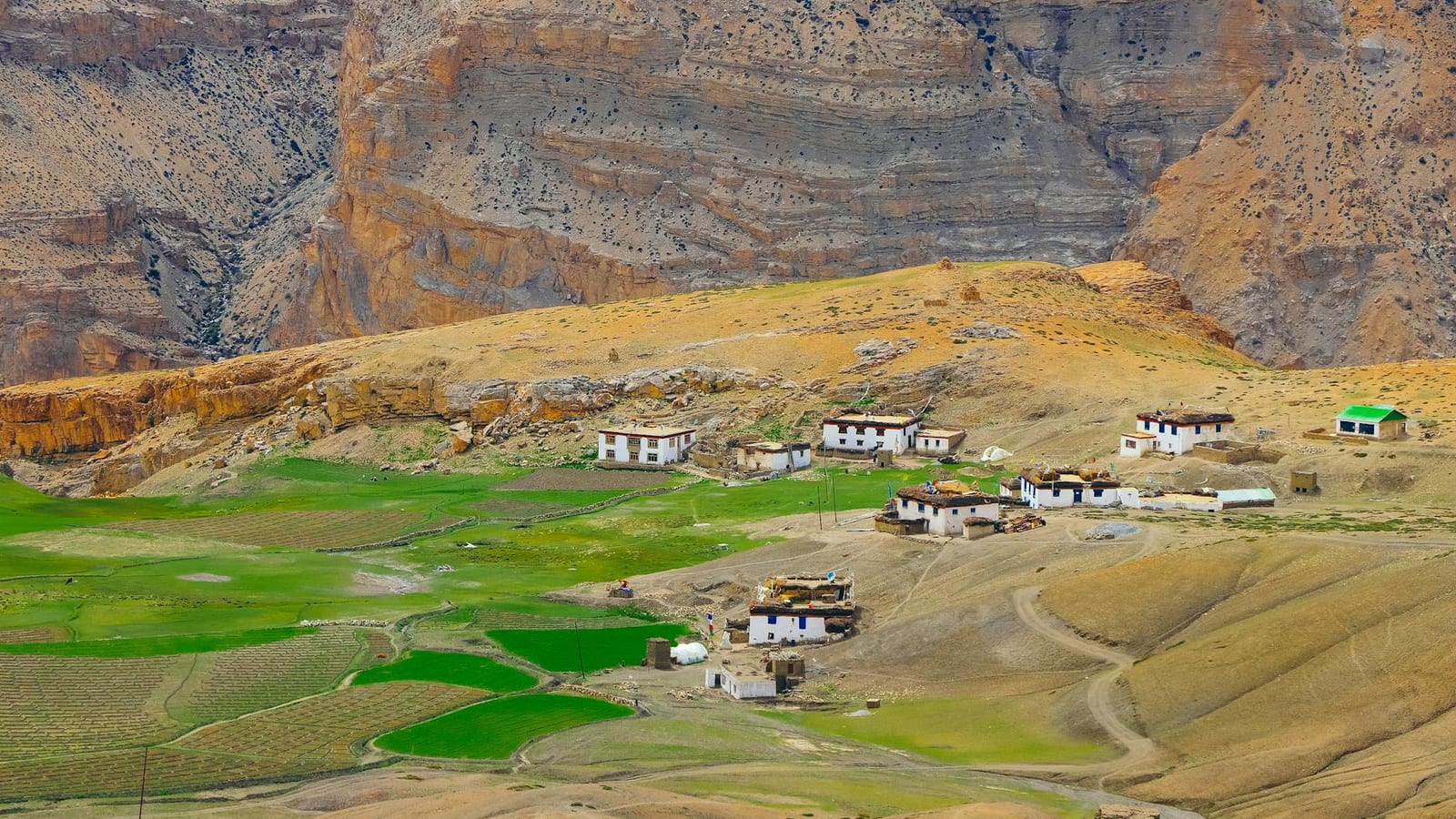
That is why quieter hill stations and Himalayan villages are gaining attention. Places beyond the usual tourist grid offer something basic but valuable: space to breathe.
Sissu, in Himachal Pradesh’s Lahaul Valley, fits that mood well. It sits beyond the busier Manali belt, with river views, trails, night skies, and a slower mountain rhythm.
The appeal is practical too. Many travellers do not want an expedition. They want a place that feels remote, but does not require heroic planning.
This explains the interest in hidden Himalayan escapes, quiet places near Kedarnath, and hill towns that still feel less crowded. The modern traveller wants beauty, but also some control over time, cost, and fatigue.
Monsoon trips move south
The monsoon used to scare off many holidaymakers. Now, for a growing set of travellers, rain is the whole point.
South India becomes a different country during the rains. Waterfalls swell, hill roads turn green, and plantation towns feel cooler. The trick is choosing the right place, not chasing sunshine.
Rainy-season travel works best for people who enjoy slow mornings, local food, and landscape watching. It is not ideal for packed itineraries or tight airport-to-hotel-to-sightseeing plans.
Keonjhar and Muruguma also appear in this changing travel mood. They represent the kind of rain journey where the landscape, not a checklist, leads the trip.
This matters for Indian travellers because short breaks are now the common currency. A long weekend can carry enough rest if the place is chosen well.
Micro escapes are part of the same story. These are short, focused breaks built around busy calendars. Think two or three days, not a full holiday file with spreadsheets.
For working couples, young professionals, and small business owners, this format makes sense. You do not need to shut life down to step away from it.
But monsoon travel needs honesty. Roads can be slower. Outdoor plans can change. The traveller who accepts this often enjoys the season more than the one fighting it.
Heritage feels alive again
India’s travel story in 2026 is not only about weather. It is also about rediscovering places where history still sits inside daily life.
Warangal is a good example. Its temples, fort remains, and rituals carry the memory of the Kakatiya period. But the real interest lies in how locals still live around these spaces.
That is the best kind of heritage travel. It does not freeze a monument behind a tourist lens. It lets visitors see how old stone, worship, trade, memory, and everyday routines overlap.
Ramappa Temple and Warangal Fort are not just photo stops. They are part of a larger story about how regional histories survive outside textbook chapters.
The same holds true for Bengal’s Tagore trail. Rabindranath Tagore’s legacy continues through spaces linked to his art, music, education, and humanist ideas.
For many Indian families, such trips carry a different value. They are not only holidays. They become a way to give children a sense of place without turning travel into a history lecture.
Buddhist routes are also drawing attention in 2026. Buddha Purnima brings pilgrims and travellers to places like Bodh Gaya, Sarnath, Dharamshala, Vaishali, and Kushinagar.
These journeys mix devotion, architecture, memory, and quiet reflection. They also remind us that Indian travel does not need noise to feel meaningful.
Odisha’s Buddhist triangle, with Ratnagiri, Udayagiri, and Lalitgiri, adds another layer. It points to an older network of monks, merchants, and learning across eastern India.
Offbeat now means useful
For years, “offbeat” became a lazy travel word. It often meant the same crowded place, only described with better lighting.
The newer list of Indian escapes feels more practical. It includes northern Kerala’s cultural routes, Karaikudi’s Chettinad mansions, Northeast hill towns, hidden waterfalls, and desert journeys in Jaisalmer.
Karaikudi stands out because it rewards slow travel. Grand Chettinad homes, antique markets, handloom sarees, and local food shape the experience.
It is not a place to rush through in half a day. Its charm sits in detail, in courtyards, craft, kitchens, and old trading wealth.
Jaisalmer offers another contrast. For travellers raised around green hills or coastal air, the desert can reset the idea of nature itself.
The desert does not impress through abundance. It works through scale, silence, light, and distance. That can surprise first-time visitors more than another crowded viewpoint.
Then there is Barren Island, India’s only active volcano. The overnight cruise from Port Blair covers about 143 km into the Andaman Sea.
That journey has a rare pull. Travellers get close enough to see the volcano rising from the water, with black lava slopes and occasional smoke from the crater.
But such trips also demand responsible behaviour. Fragile islands, mountain trails, Buddhist sites, and old towns cannot handle careless tourism forever.
The Himalayan warning is especially clear. More visitors mean more income for locals, but also more waste, traffic, and pressure on trails.
A greener Himalayan future will need better rules, better facilities, and more sensible travellers. Otherwise, the very places people seek for peace will become harder to enjoy.
The interesting thing about India’s 2026 travel mood is its maturity. Travellers still want beauty, food, culture, and escape. But many also want cooler weather, smaller crowds, shorter trips, and deeper local context.
That is a healthier way to travel. It gives ordinary Indians more choices than the same five holiday names. And it reminds us that the best journeys are often not farthest away, but better understood.