Hormuz peace push could ease India fuel and flight costs
Progress in US-Iran talks could lower Hormuz risk, easing pressure on India's oil imports, airline fares, shipping costs and household travel budgets.
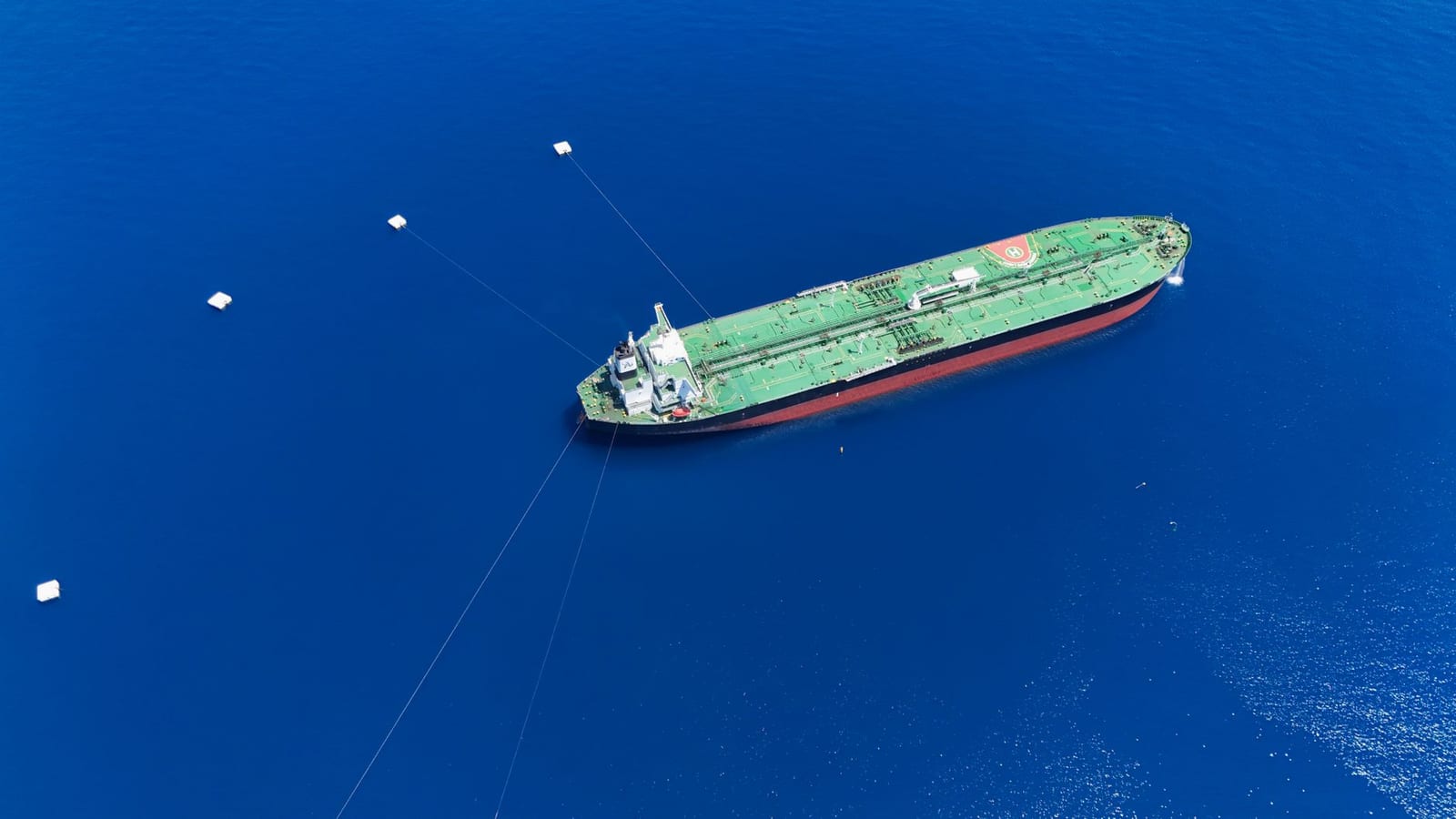
A narrow sea lane near Iran can make petrol dearer in Pune, flight tickets costlier in Delhi, and shipping bills heavier in Chennai.
That is why the latest peace push between the United States and Iran matters far beyond West Asia. For India, this is not distant diplomacy. It touches oil, exports, aviation, migrant workers, and family travel budgets.
Pakistan now says the talks have made meaningful progress. Its foreign minister Ishaq Dar said there was room for optimism. Prime Minister Shehbaz Sharif said Pakistan hoped to host the next round soon.
Hormuz sits at the centre
The Strait of Hormuz is the small strip of water doing a very large job.
A big share of the world’s oil passes through it. When trouble rises there, markets usually react fast. Traders get nervous. Shipping firms raise risk costs. Insurers ask for more money.
For Indian consumers, that can show up quietly. Petrol and diesel may not jump overnight. But fuel import costs influence inflation, airline fares, and transport bills.
The proposed understanding being discussed would reopen the strait and restore normal commercial shipping. It may also allow Iranian oil exports to resume under limited relief from sanctions.
That sounds technical. In simple terms, Iran may get some breathing room if it takes visible steps first. Washington wants proof before offering deeper relief.
Pakistan plays a rare mediator
Pakistan has placed itself in the middle of a sensitive diplomatic lane.
Its army chief Asim Munir held talks in Tehran. Pakistani leaders then spoke of an interim deal entering its final stretch. They described the possible deal as broad enough to stop the fighting.
This is unusual but not impossible. Pakistan has ties with Iran, security links with the Gulf, and a long history with Washington. It also has its own interest in avoiding a wider regional fire.
Shehbaz Sharif praised US President Donald Trump’s peace effort after a high-level call. Islamabad said it would continue talks with sincerity.
That phrase matters because Pakistan also wants diplomatic relevance. A successful mediation would give it standing at a difficult time, both regionally and with Washington.
But mediation in West Asia rarely moves in straight lines. Every side speaks to several audiences at once. Leaders talk to rivals, domestic voters, armies, allies, and markets in the same sentence.
Nuclear terms remain sensitive
The hardest part remains Iran’s nuclear programme.
Some officials have suggested Iran may accept limits on uranium enrichment. Enrichment means increasing the strength of uranium. At low levels, it can support civilian nuclear power. At high levels, it alarms military planners.
The draft under discussion reportedly includes a short negotiation window. One version speaks of 30 days. Another speaks of 60 days. The broad idea stays the same.
Iran would take steps on shipping and nuclear limits. The US would ease certain sanctions in stages. Bigger relief would wait for a final, verifiable deal.
Tehran has pushed back on some claims. Iranian-linked statements have said the nuclear issue has not yet been settled. Iran’s foreign minister Kazem Gharibabadi also said the country seeks peace from a position of strength.
That tells us one thing clearly. Even if both sides want a pause, nobody wants to look weak.
Trump has said a deal with Iran has been largely negotiated. He has also kept military pressure on the table. That mix of threat and negotiation has become familiar in his foreign policy style.
Israel and Lebanon complicate talks
Any US-Iran deal will worry Israel.
Former Israeli defence minister Avigdor Lieberman has attacked Prime Minister Benjamin Netanyahu over the talks. He argued that any deal leaving Iran’s rulers in place would hurt Israel’s security.
He also criticised the possibility of Iranian assets being unfrozen. His point was simple. More money for Tehran could mean more power for its allies.
That concern connects directly to Lebanon. Health authorities there say thousands have died since early March in Israeli attacks. They also said many more have been wounded.
Lebanon’s emergency health centre said staff at Hiram Hospital in Tyre were hurt after strikes landed near the facility. It said the hospital had suffered damage for the second time in less than two months.
Israel has continued strikes in southern Lebanon despite an earlier ceasefire. Hezbollah has also launched attacks into northern Israel and against Israeli positions.
So the Iran talks are not only about Iran. They sit inside a wider conflict map that includes Israel, Hezbollah, Lebanon, Gulf shipping, and US military deployments.
Why Indians should watch closely
For Indian families, the first impact may come through prices.
India imports most of its crude oil. When oil routes look risky, India pays attention. Even a temporary rise in crude can affect fuel, freight, food movement, and airline costs.
Travel could also feel the heat. West Asia is a major corridor for Indian flyers. Millions use Gulf hubs for Europe, Africa, and North America. If the region becomes unstable, airlines may change routes, burn more fuel, or cut schedules.
For Indian workers in the Gulf, calm matters even more. Many families depend on salaries sent from the region. A wider conflict would create anxiety in homes from Kerala to Uttar Pradesh and Telangana.
Businesses also have reason to care. Exporters shipping goods through regional ports watch insurance costs closely. A small rise in logistics cost can hurt margins, especially for smaller firms.
There is also the rupee. Higher oil prices usually put pressure on India’s import bill. That can weaken the currency and make imports costlier.
This is why diplomats often sound boring until the bill arrives at home. A memorandum in West Asia can decide whether a trucker pays more for diesel in Haryana.
The next few days will show whether the talk becomes a real pause or just another diplomatic draft. If the strait stays open, oil flows, and both sides keep talking, ordinary people may never notice the crisis that almost reached them. That would be the best outcome of all.