Hormuz Reopening Talks Put India Oil Costs In Focus
Trump's Iran talks over a Hormuz reopening could ease shipping strains, but India still faces oil, rupee and airfare risks if tensions persist.
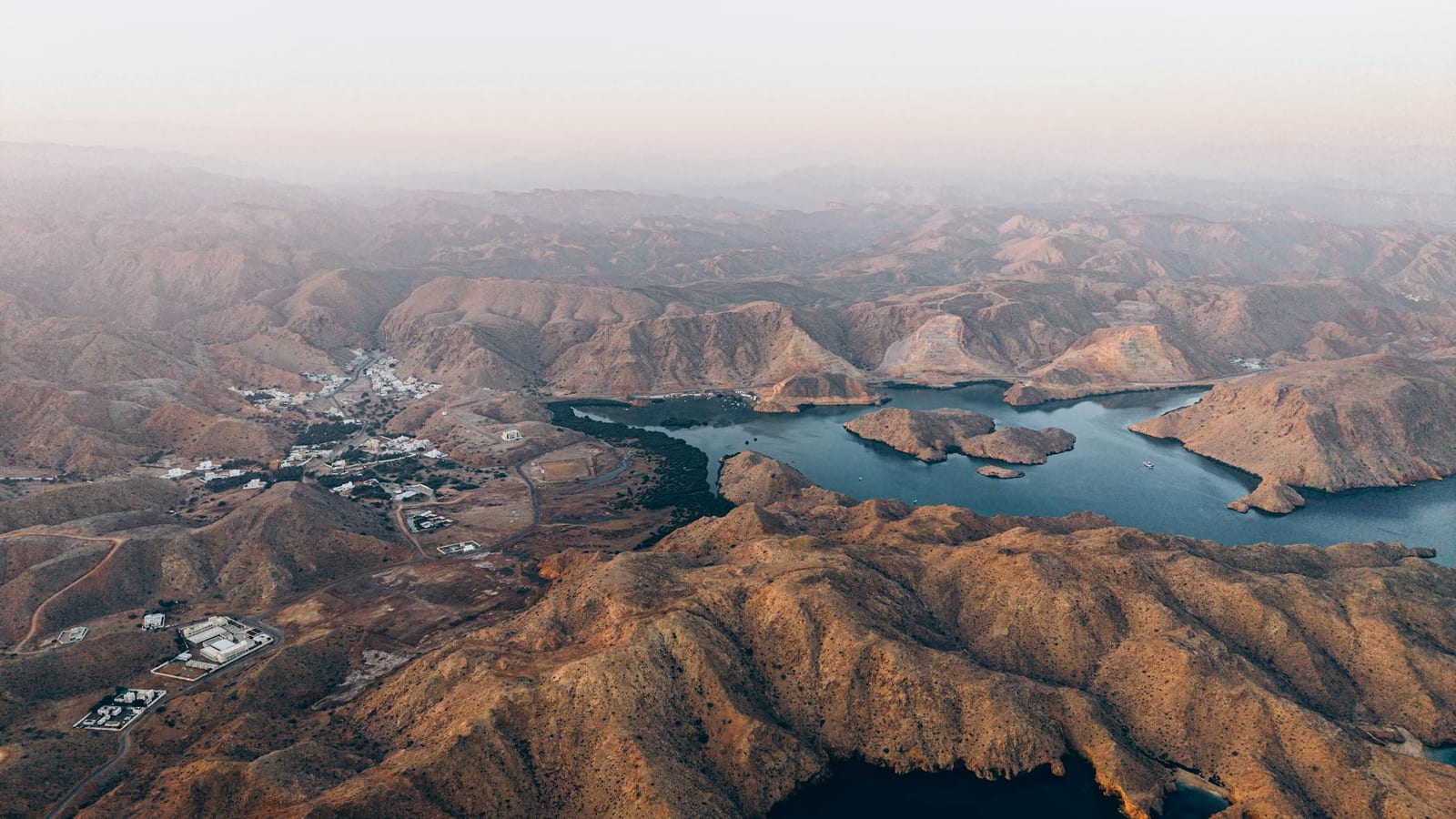
For anyone who buys petrol, books a flight, imports machinery, or watches the rupee, the Strait of Hormuz is not some distant blue line on a map. It is the narrow sea lane where global oil nerves sit exposed.
That is why Donald Trump walking into the White House Situation Room on Friday mattered far beyond Washington and Tehran. He said he was going in to make a final call on a possible understanding with Iran.
Within minutes, Iran pushed back. Tehran’s message was simple: the strait may reopen, but not on America’s terms alone.
Hormuz sits at the centre
The Strait of Hormuz carries nearly a fifth of the world’s oil shipments. That makes it more than a maritime route. It is a pressure point for every economy that runs on imported energy.
India knows this better than most. We import most of our crude oil. When shipping gets disrupted in West Asia, the worry travels quickly to refiners, airlines, transport firms, and eventually households.
Trump claimed that an American naval blockade in the area would be lifted under a possible deal. He also said ships stuck because of the blockade could begin heading home.
He added that Iran would remove or destroy remaining mines in the area. His post framed the moment as a breakthrough, with stranded crews finally seeing a way out.
But Tehran did not accept that version without a fight. Iranian officials signalled that any reopening would happen under Iran’s own arrangements.
Those could include ship monitoring, inspections, maritime service rules, and extra security checks. In plain English, Iran wants to keep control of the gate, even if traffic resumes.
Trump offers his deal
Trump said the possible agreement rests on two big demands. Iran must never build a nuclear weapon, and Hormuz must reopen for unrestricted commercial shipping without tolls.
That second demand matters because tolls can change the economics of global trade. Even a small charge on vessels can raise costs across oil, gas, and cargo routes.
The US Treasury Secretary Scott Bessent warned that Washington would target any entity helping collect tolls through the strait. That warning showed how seriously the US views the issue.
Trump also said no money would change hands for now. That line directly clashed with signals from Tehran-linked accounts of the draft.
Iranian officials have spoken of a “commitment for commitment” approach. In that framing, each side moves only when the other side acts first.
That is not a small difference. Washington wants to announce a package. Tehran wants stages, proof, and safeguards.
For Indian readers, this is the old problem with West Asia diplomacy. Everyone wants calm seas, but nobody wants to look like they blinked first.
Tehran disputes the nuclear claims
The sharpest disagreement concerns Iran’s nuclear material. Trump said enriched nuclear material buried under sites hit in earlier strikes would be recovered with Iran and the International Atomic Energy Agency.
He said that material would then be destroyed. If true, that would be a major concession by Tehran.
Iran-linked officials rejected that reading. They said the draft memorandum does not cover nuclear issues in the way Trump described.
They also denied claims that Iran had agreed to transfer or destroy its highly enriched uranium stockpile. Their position was blunt: no such clause exists in the current understanding.
This distinction is crucial. A political understanding can calm markets for a few days. A nuclear settlement needs inspections, written commitments, and trust, all in very short supply.
Iranian Parliament Speaker Mohammad Bagher Ghalibaf set the tone with a hard-edged message. He said Iran wins concessions through missiles, not dialogue.
That may sound like chest-thumping, but it also signals the domestic politics in Tehran. Leaders there cannot sell a deal that looks like surrender to Trump.
Oman becomes an awkward player
Oman has emerged as a sensitive part of this story. The country often plays a quiet role in regional diplomacy.
This time, it has drawn Trump’s anger. At a Cabinet meeting, he warned Oman would have to behave like everyone else, or face severe consequences.
Iranian Foreign Minister Abbas Araghchi later said he spoke to his Omani counterpart and expressed solidarity with Oman. That was not just diplomatic courtesy.
Oman sits near the maritime geography that makes Hormuz so important. It also has long-standing channels with both Iran and the West.
Reports suggest Oman has discussed with Iran the possibility of charging vessels passing through the strait. That idea would alarm Washington, shipping companies, and oil buyers.
For India, any new fee, delay, inspection regime, or security scare can feed into energy costs. Those costs may not hit your wallet tomorrow morning, but they rarely vanish.
They move through freight, diesel, aviation fuel, fertiliser, and imported goods. A family may see it later as higher travel fares or a tighter monthly budget.
Why India should watch closely
This is not only a US-Iran story. It is a global cost story with an Indian bill attached.
When Hormuz looks risky, insurers charge more to cover ships. Shipping companies change routes or slow movement. Traders price in uncertainty before actual shortages appear.
That is why even the rumour of a blockade, toll, mine, or inspection system matters. Markets react to fear as much as facts.
India has worked hard to diversify oil supplies, including buying more from Russia in recent years. But geography still matters. West Asia remains central to global crude flows.
A refinery cannot run on diplomatic statements. Airlines cannot price tickets on hope. Importers need predictable routes and stable costs.
There is also the migrant worker angle. Many Indian families depend on incomes from the Gulf. Any wider regional tension can create anxiety well beyond energy markets.
So when Trump tells ships to head home, and Iran says not so fast, Indian households have reason to pay attention.
The likely path from here is messy. Both sides may claim victory, deny each other’s version, and still keep talking. That is how many hard deals begin.
The real test will come in the details. Who monitors ships? Who removes mines? Who verifies nuclear claims? Who gets paid, and when?
For ordinary Indians, the hope is simple. Keep oil moving, keep war away from the shipping lanes, and keep political theatre from becoming a fuel-price problem. In Hormuz, even a narrow stretch of water can widen into everyone’s daily life.