Hormuz Tensions Put India Fuel And Airfares At Risk
US-Iran talks have narrowed gaps, but uranium control and Hormuz security still threaten oil prices, shipping costs and airfares for India.
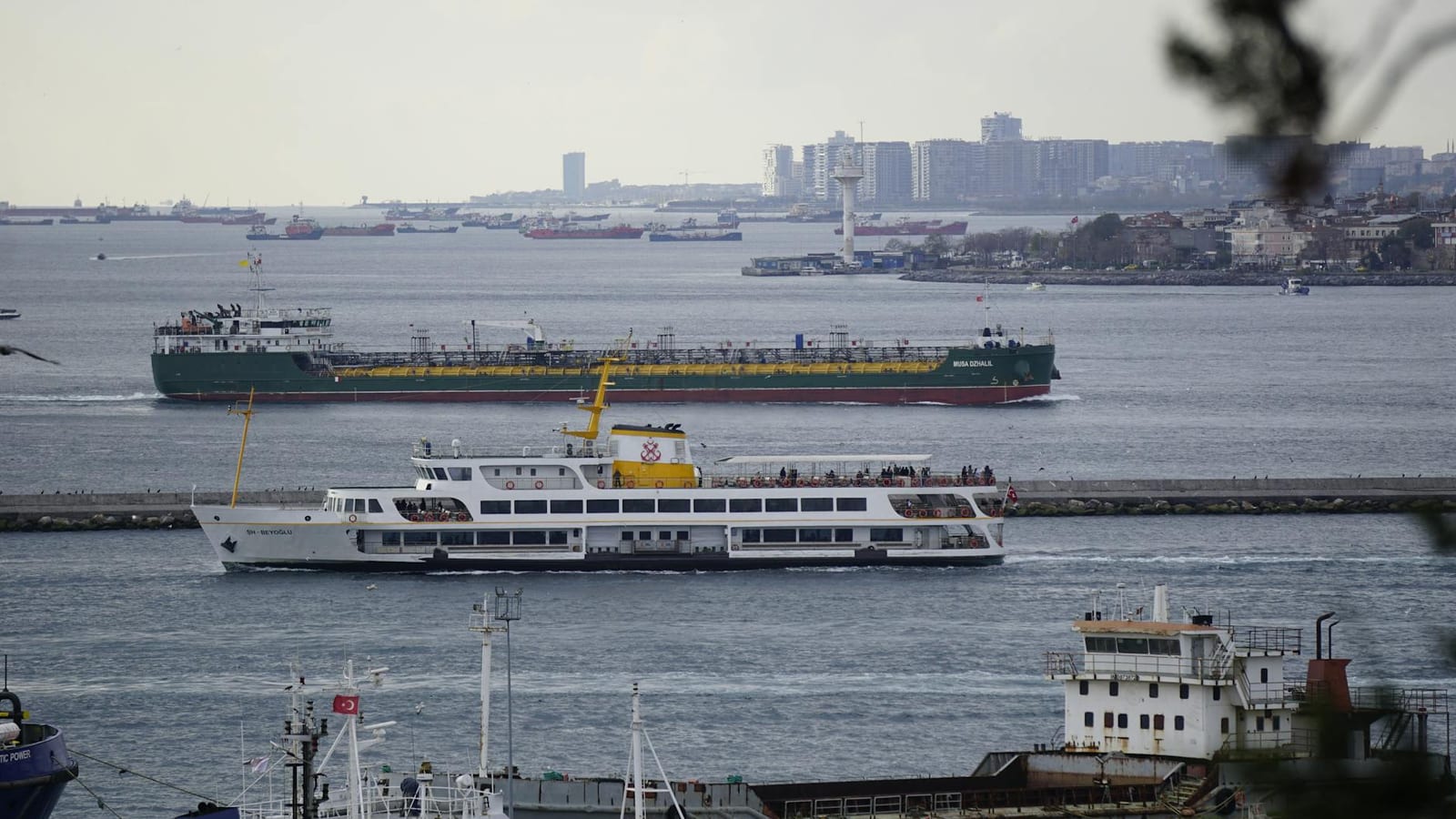
A narrow sea lane near Iran is now sitting between your petrol bill, airline fares, and another possible Middle East flare-up.
The United States and Iran say they have moved a little closer in talks. But the two hardest questions remain untouched. Who controls Iran’s enriched uranium? And who decides what happens in the Strait of Hormuz?
For Indians, this is not some faraway diplomatic chessboard. When Hormuz becomes tense, oil traders get nervous. When oil traders get nervous, fuel prices, shipping costs, and air travel all start feeling the heat.
Talks move, but slowly
US Secretary of State Marco Rubio sounded careful after the latest round of discussions. He said there were “some good signs”, but avoided sounding too hopeful.
That cautious tone tells its own story. Both sides want to show movement. Neither side wants to look weak at home.
Iranian officials have also indicated that the distance between the two positions has narrowed. But they have made one thing clear. No deal exists yet.
That matters because this is not a normal diplomatic disagreement. The talks sit on top of a fragile ceasefire, military threats, sanctions, and oil market anxiety.
For now, the mood is not peace. It is a pause. And pauses can either become settlements or snap back into conflict.
Uranium remains the hardest line
At the centre of the dispute is Iran’s enriched uranium stockpile. Enriched uranium can power civilian nuclear work. If enriched further, it can also move a country closer to a nuclear weapon.
Tehran says its nuclear programme serves peaceful purposes. Washington does not accept that assurance at face value.
Donald Trump has taken a blunt position. He told reporters that the US would eventually take Iran’s highly enriched uranium and likely destroy it.
Iran has shown no public sign of accepting that demand. Senior Iranian officials say the country’s leadership has barred any transfer of enriched uranium outside Iran.
That leaves very little room for clever wording. One side wants the stockpile removed. The other side sees removal as surrender.
This is why nuclear talks often move at a painful pace. The technical details matter. But national pride matters just as much.
For ordinary people, these arguments can sound distant. Yet the impact lands in familiar places. It reaches the fuel pump, the power bill, and sometimes the cost of a family trip.
Hormuz keeps markets nervous
The Strait of Hormuz is a thin passage with an outsized role. A large share of the world’s oil and gas moves through it.
Trump has said the waterway must stay open and free. He rejected any Iranian fees or restrictions on vessels using it.
Iran sees the matter differently. Iranian officials argue that recent military action by the US, Israel, and regional partners has changed the security situation.
Iran’s deputy foreign minister has said Tehran can take practical and proportionate steps under international law. In plain English, Iran wants room to control activity near its coast.
This is where the risk becomes immediate. Shipping companies dislike uncertainty. Insurers dislike it even more.
Iranian state media said only 31 ships passed through the waterway in the previous 24 hours. Before the conflict escalated, the daily average was above 125.
That drop is the sort of number oil markets notice quickly. Fewer ships do not always mean shortages tomorrow. But they do mean higher fear today.
For Indian families planning summer travel, the link may feel indirect. It is not. Aviation turbine fuel tracks global energy prices. Airlines do not ignore that.
If fuel costs climb, airlines either absorb the pain or pass some of it on. In India, they usually try both before the festive or holiday season.
India watches the fuel risk
India depends heavily on imported crude. So any pressure on Gulf shipping routes becomes a domestic economic issue fast.
The International Energy Agency has warned that fuel markets could enter a dangerous zone during peak summer demand in July and August. That timing matters for India too.
Summer already brings high electricity demand. Add expensive crude and dearer fuel, and the pressure spreads across the economy.
A kirana store owner feels it through transport costs. A family feels it when petrol stays high. A young couple booking flights feels it when fares harden.
Exporters and importers also watch Hormuz closely. Freight delays can raise costs for goods that move by sea. Those costs rarely stay hidden for long.
The rupee can also come under pressure when oil prices rise. India pays for crude in dollars. When the oil bill climbs, the currency market notices.
This is why New Delhi usually tracks West Asian tensions with unusual care. The region is not just about diplomacy for India. It is about energy, workers, remittances, trade, and travel.
Millions of Indian families have links to the Gulf through jobs and relatives. Any serious military flare-up creates worries far beyond oil charts.
Mediation has little room
Pakistan Army Chief Asim Munir is expected to travel to Tehran as part of renewed mediation efforts. Officials involved in the process say communication channels are being streamlined.
That phrase sounds bureaucratic, but it points to a real problem. Messages between enemies can get distorted, delayed, or hardened by politics.
The concern is that Trump’s patience may be thinning. Officials familiar with the talks say both sides are trying to speed up how messages move.
Tehran has also submitted a fresh proposal to Washington. But its terms appear close to earlier demands that Trump rejected.
Those demands reportedly include Iranian control over Hormuz, sanctions relief, compensation for war damage, release of frozen assets, and withdrawal of US troops from the region.
That is a long list. More importantly, it asks Washington to give ground on several fronts at once.
The US position remains equally hard. Trump has warned that military strikes could resume if Iran does not provide what he considers the right answers.
Iran’s Revolutionary Guards have also warned of wider retaliation if attacks restart. That is the sentence markets hate most. Wider retaliation can mean unclear targets, unclear timelines, and unclear costs.
For now, the talks have not collapsed. That is the good news. The less comforting part is that the biggest disputes remain exactly where they were.
The next few days will show whether both sides want a deal badly enough to soften public positions. Until then, Indians should watch this story not as distant foreign policy, but as a live risk to fuel, flights, and household budgets. In the end, Hormuz is narrow on the map, but its shadow reaches very wide.