India's summer travellers seek quieter coolcations
Heatwaves, crowded hill roads and shorter breaks are pushing Indian holidaymakers toward cooler, quieter valleys beyond classic summer hotspots.
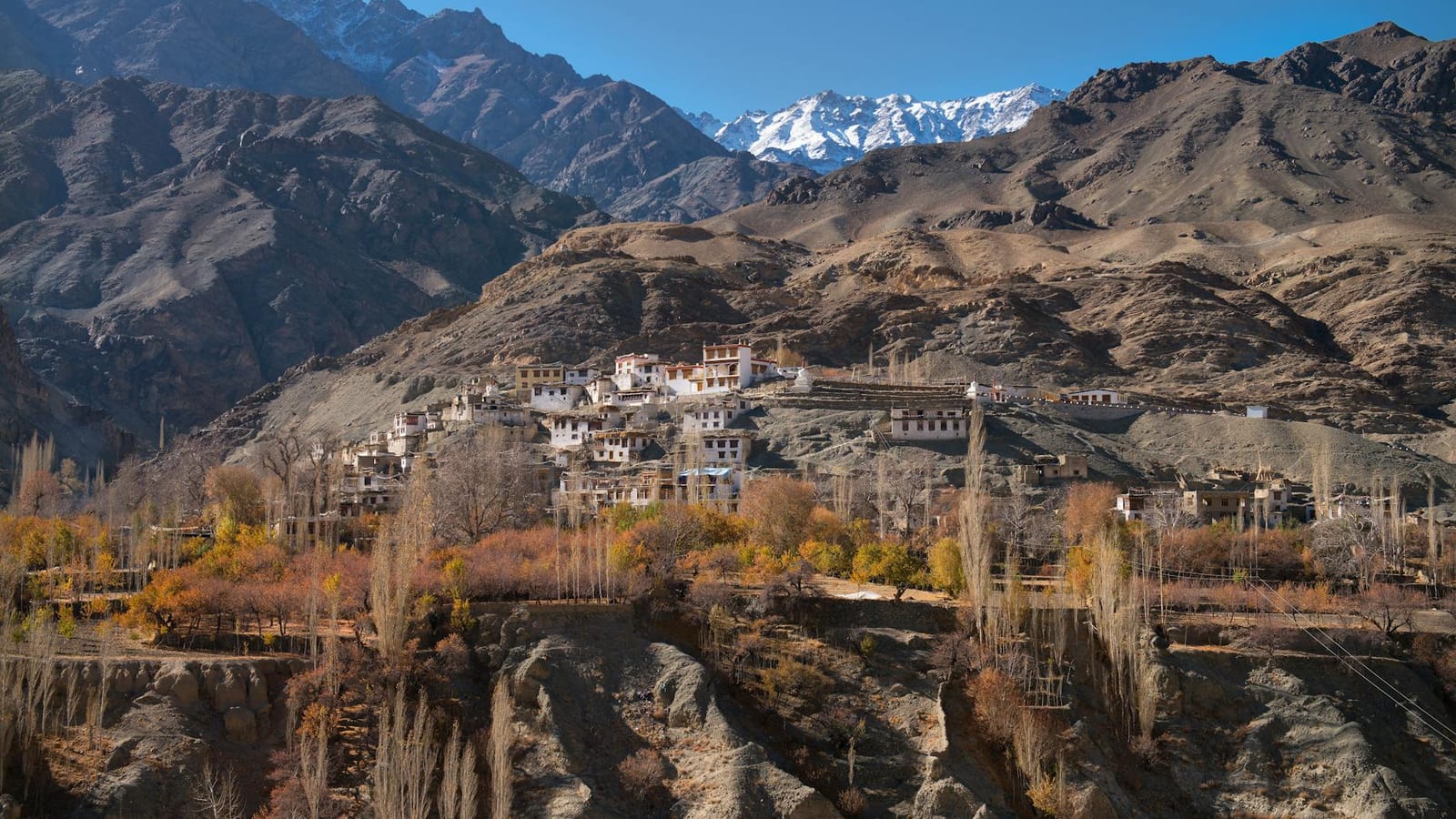
The Indian summer holiday is quietly changing shape. It is no longer just a race to Shimla, Goa, Manali, or Jaipur before the hotel rates jump.
Heatwaves, crowded hill roads, and shorter work breaks have pushed travellers to rethink the old family vacation. Many now want cooler air, fewer queues, and places where the day moves slower.
That is why 2026 travel in India feels less like a bucket list and more like a reset button. The new question is simple: where can I breathe?
Coolcations move beyond hill stations
The word may sound fashionable, but the idea is old. When the plains burn, people climb. What has changed is where they go.
Travellers are now looking beyond the usual summer towns. Himachal Pradesh still pulls crowds, but interest has spread to quieter valleys and smaller settlements.
Sissu in Lahaul Valley is a good example. It sits beyond the familiar Manali rush, with river views, walking trails, clear night skies, and a slower mountain rhythm.
For working couples and young families, that matters. A holiday with traffic jams and packed viewpoints now feels like another workday, only with luggage.
The newer summer map includes misty towns, forested slopes, and high Himalayan pockets. These places are not empty, but they still offer space.
That search for space also explains the rising interest in quieter hill stations. Travellers want pine forests, valley views, and cool evenings without fighting for parking.
The smarter traveller now asks practical questions first. How long is the drive? Is the road open? Will there be phone network? Can older parents manage the terrain?
That is a healthy shift. Pretty photos may sell a destination, but road time decides the mood of the trip.
Short breaks become serious travel
Micro escapes have become the most useful phrase in Indian travel. They are short breaks of a few days, often planned around weekends or leave gaps.
They work because modern holidays have become harder to schedule. School calendars, office deadlines, flight prices, and family duties rarely align neatly.
So travellers are taking smaller bites. A two-night stay near home. A quick cultural trip. A slow homestay instead of a packed itinerary.
This does not mean people have stopped dreaming big. It means they are tired of needing a spreadsheet for rest.
For a family in Delhi, a short break may mean a cooler hill town. For someone in Bengaluru, it may mean rain-washed South Indian landscapes.
The monsoon, once treated as an inconvenience, is now part of the attraction. Waterfalls, green hills, and lower temperatures pull travellers who do not mind wet shoes.
South India offers that mood well. The rainy season turns hill stations, forests, and waterfall routes into softer, calmer escapes.
But monsoon travel needs common sense. Roads can close. Treks can become slippery. Waterfalls look beautiful, but unsafe edges do not forgive mistakes.
Good travel in India increasingly means respecting the season. The best trip is not the most dramatic one. It is the one you can actually enjoy.
Culture returns to the itinerary
There is another change worth noticing. Travellers are not only chasing views. Many want stories, rituals, food, craft, and old cities that still feel alive.
Udaipur remains a royal summer favourite because it offers that blend. Lakes, palaces, heritage stays, and slow evenings make it easy to understand.
But the cultural map has widened. Northern Kerala draws visitors through Theyyam shrines, ancient caves, and deeply local traditions.
Karaikudi in Tamil Nadu offers another kind of richness. Its grand Chettinad mansions, antique markets, handloom sarees, and fiery food reward slow travel.
These are not destinations built only for selfies. They ask you to notice doors, courtyards, cooking styles, local markets, and family histories.
Warangal in Telangana offers a similar lesson. Its temples, ruins, and everyday rituals keep the Kakatiya story alive in public memory.
Ramappa Temple and Warangal Fort are not just old stone. They sit inside a living landscape, where history still shares space with daily life.
That matters for Indian travellers. We often cross monuments in a hurry, then wonder why heritage feels flat.
The better way is slower. Stay longer. Talk less. Observe how people still use these places, and what they choose to remember.
Offbeat does not mean easy
The word “offbeat” gets used too loosely in travel. It can mean peaceful, but it can also mean fewer hotels, patchy roads, and limited transport.
Northeast India has drawn attention for exactly this reason. Its lesser-known summer destinations offer culture, landscapes, and distance from crowds.
For many travellers, that distance is the point. They want places that do not feel copied from one brochure to another.
But the region also needs more thoughtful travel. Visitors should plan routes carefully, respect local customs, and avoid treating communities as backdrops.
The same applies near Kedarnath. Beyond the main pilgrimage route lie quieter forests, lakes, meadows, and trails.
These places can tempt walkers and nature lovers. Yet mountain travel near pilgrimage zones needs restraint, especially during busy seasons.
The Andamans offer a very different kind of offbeat experience. An overnight cruise from Port Blair can take travellers towards Barren Island.
Barren Island is India’s only active volcano. It rises sharply from the Andaman Sea, with dark slopes and occasional smoke from its crater.
The voyage covers about 143 km from Port Blair. That single detail should tell travellers this is not a casual beach outing.
Remote travel has a cost, both for travellers and the places they visit. Waste, noise, careless boating, and crowd pressure can change fragile locations fast.
India’s next travel boom must learn from past mistakes. A destination becomes popular slowly, then crowded suddenly.
India’s travel map gets wider
The Buddhist circuit is also drawing renewed attention. Bodh Gaya, Sarnath, Kushinagar, Vaishali, and Dharamshala offer journeys shaped by faith and history.
For many visitors, these are not ordinary sightseeing stops. They are places linked to teaching, meditation, death, memory, and living monastic traditions.
Odisha’s Buddhist sites at Ratnagiri, Udayagiri, and Lalitgiri add another layer. They remind travellers that India’s Buddhist past was wider than schoolbook maps suggest.
Kolkata’s Buddhist temples and Pali traditions show something similar. Heritage can survive quietly in city lanes, away from grand tourist circuits.
Even Jaisalmer speaks to this wider mood. Travellers raised around green hills can find the desert startling, almost severe at first.
Then the light changes. The open land, silence, and gold tones offer another version of nature, less lush but deeply memorable.
That is the promise of travel in India now. The country does not need one more crowded checklist. It needs better attention.
For ordinary readers planning their next break, the lesson is simple. Pick the trip that fits your body, budget, season, and patience. The best journey in 2026 may not be the farthest one. It may be the one that gives you enough room to return a little lighter.