Indian summer travel shifts to quieter coolcations
Travellers are moving beyond crowded hill stations toward cooler, quieter destinations, from Lahaul villages to Northeast valleys and forest trails.
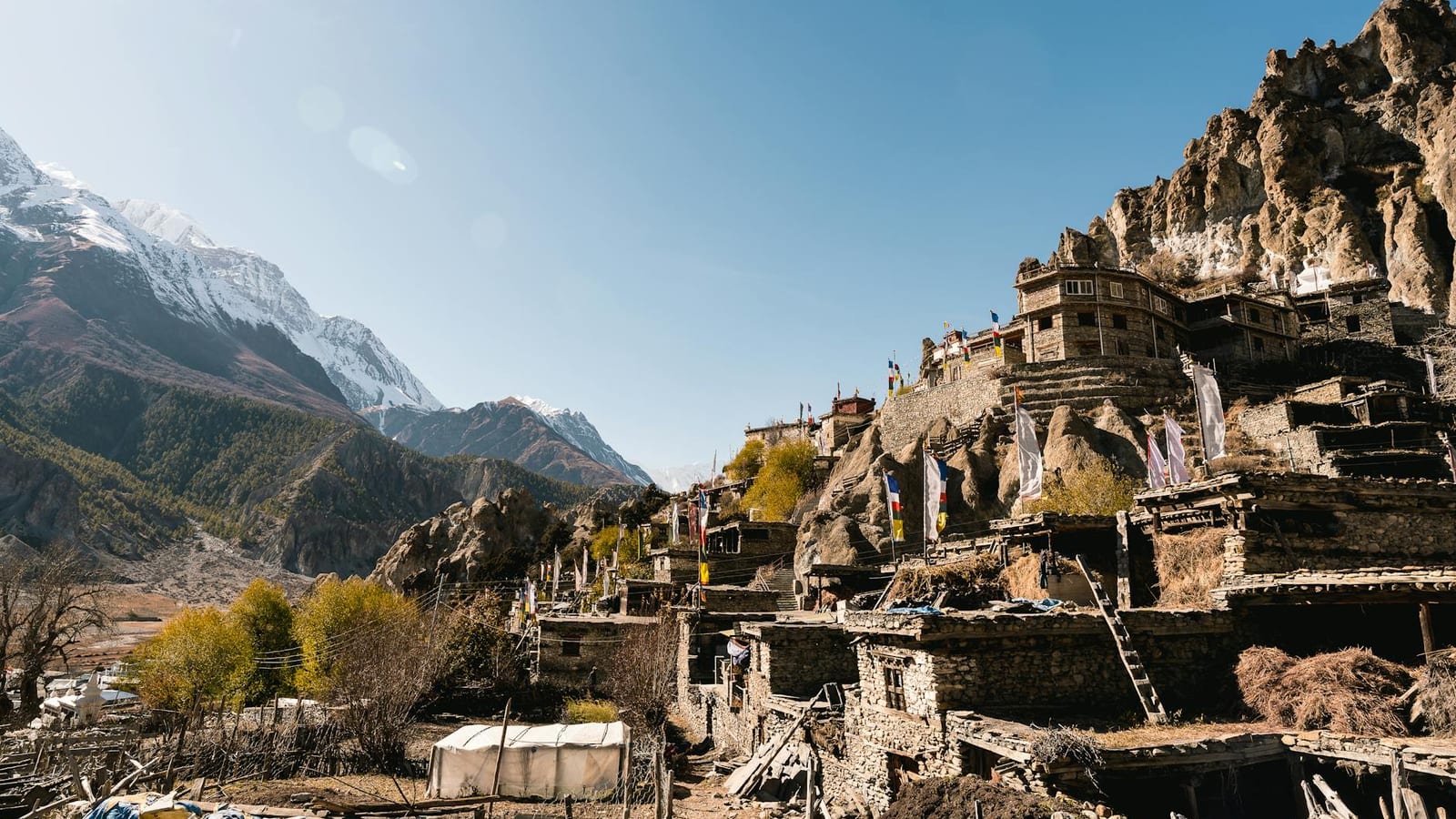
The old Indian summer holiday had one job. Run to the hills before the ceiling fan gave up.
In 2026, that instinct has become sharper, and frankly, more interesting. Travellers are still chasing cool air, but they are also looking for quieter roads, slower days, and places that do not feel already exhausted by Instagram.
That is why India’s travel map now looks less like a checklist and more like a conversation. Volcano cruises, Buddhist towns, Chettinad mansions, forest trails, old forts, monsoon waterfalls, and Himalayan villages are all part of it.
Summer travel moves beyond hill stations
The big shift is easy to understand. Heat has become harder to ignore.
Families that once packed into familiar hill stations now think twice. A crowded mall road does not feel like a break when the hotel is costly and the traffic is worse than home.
So travellers are looking wider. Lahaul’s Sissu, the quieter corners of Himachal Pradesh, misty valleys in the Northeast, and lesser-known hill towns now attract people who want relief without the circus.
This is where “coolcation” makes practical sense. It simply means choosing cooler places during extreme heat. There is no mystery in it. It is the old hill escape, updated for harsher summers.
But the newer version is slower. People want two good walks, one clean homestay, local food, and enough silence to hear themselves think. That is not luxury in the old sense. It is peace, priced carefully.
For working couples, this also fits modern leave calendars. Not everyone can disappear for ten days. A three-night break near a forest, lake, or mountain road feels more possible.
The Andamans offer volcanic drama
One of the most striking journeys now drawing attention is the overnight cruise towards Barren Island, India’s only active volcano.
The trip covers about 143 km from Port Blair into the Andaman Sea. Travellers do not land on the island. They sail close enough to see its dark slopes rising from the water.
That detail matters. This is not a beach holiday with cocktails and soft sand. It is travel built around raw geography. You go to witness a volcano sitting alone in the sea.
For Indian travellers, the appeal is obvious. We often think of volcanoes as something from Indonesia, Japan, or Iceland. Here is one within India’s own territory, reachable by sea from the Andamans.
The journey also changes how people see the islands. The Andamans are not only about beaches, diving, and honeymoon photos. They are part of a living, restless geological zone.
That does not mean everyone should rush there. Sea conditions, permissions, safety rules, and weather windows matter. This is the kind of trip where planning beats impulse every single time.
Still, for travellers who want more than a resort stay, it offers something rare. It reminds you that India’s landscape can still surprise even Indians.
Heritage trips feel more alive
Another trend is quieter but deeper. Heritage travel is moving beyond monuments as photo backdrops.
In Warangal, the story is not only about temples and ruined gateways. It is about how Kakatiya history still sits inside daily life, worship, roads, and local memory.
That is a more honest way to see heritage. A fort is not just stone. A temple is not only architecture. These places survive because people keep using, retelling, and adapting them.
Northern Kerala’s cultural routes offer a similar lesson. Temples, ritual spaces, local arts, food, and old trade memories come together there. The traveller who slows down sees more than a weekend itinerary.
Karaikudi, in Tamil Nadu, sits in another mood altogether. Its Chettinad mansions speak of trading families, money, migration, craft, and taste. Antique markets and local food add texture to that story.
This kind of travel suits Indians who are tired of being rushed through “must-see” points. A family can spend hours inside one town and still leave with more questions than answers.
There is also a small business angle here. Homestays, guides, drivers, craft sellers, and local eateries benefit when visitors stay longer. Heritage then becomes income, not just nostalgia.
But there is a risk too. Once a place becomes trendy, bad tourism follows fast. Loud cafes, careless construction, and traffic can flatten the very charm people came to see.
Pilgrimage routes get wider
India’s spiritual travel has always moved millions. What is changing now is the way some travellers read these journeys.
Buddha Purnima 2026 has drawn attention back to Bodh Gaya, Sarnath, Kushinagar, Dharamshala, and other Buddhist routes. These are not only pilgrimage points. They are also historical landscapes.
For many visitors, Bodh Gaya is where faith, memory, and tourism meet. Sarnath carries the weight of the Buddha’s first teachings. Kushinagar marks the final chapter of that journey.
Odisha’s Buddhist triangle, Ratnagiri, Udayagiri, and Lalitgiri, adds another layer. It reminds travellers that Buddhist history in India did not sit in one neat northern belt.
The Deccan and southern coast also carried Buddhist ideas, monks, merchants, and sea links. That history often gets less attention in regular schoolbook memory.
For ordinary Indian travellers, this opens a richer route. A spiritual trip need not mean only darshan and departure. It can include museums, old sites, food stops, and conversations with local communities.
Near Kedarnath, quieter forests, lakes, meadows, and trails also show this shift. Pilgrims and trekkers increasingly look beyond the main shrine town.
That is sensible, as long as the mountains are treated with respect. The Himalayas cannot absorb endless plastic, sewage, and road pressure without cost.
Short breaks become real holidays
The most practical trend may be the rise of micro escapes. The phrase sounds fancy, but the idea is simple.
People take short breaks of two to four days. They choose nearby places, avoid heavy planning, and spend on comfort where it actually matters.
For a young professional in Bengaluru, that may mean a rainy-season drive to a hill town. For a family in Kolkata, it may mean a cultural weekend instead of a long vacation.
Delhi, Mumbai, Kolkata, and Bengaluru now have enough concerts, food events, exhibitions, and workshops to make city weekends feel like mini holidays. Not every break needs a flight.
This matters because travel budgets are under pressure. Airfares, hotels, taxis, and meals add up quickly. A shorter trip lets people rest without wrecking the month’s finances.
Monsoon travel also fits this mood. South India’s waterfalls, hill stations, and green landscapes offer beauty after the first rains. But travellers must watch road conditions and local advisories.
The better version of this trend is not rushed consumption. It is a smarter rhythm. Go closer, stay better, spend locally, and return without needing another holiday to recover.
India’s 2026 travel story is not about one hot destination. It is about a tired, heat-hit, always-working country learning to travel with more sense. The next good holiday may not be the farthest one. It may be the one that gives you air, time, and a little room to feel human again.