Indian travellers seek quieter summer escapes now
Indian holidaymakers are moving beyond Shimla and Goa, choosing cooler hill towns, high valleys and quieter local breaks for summer travel.
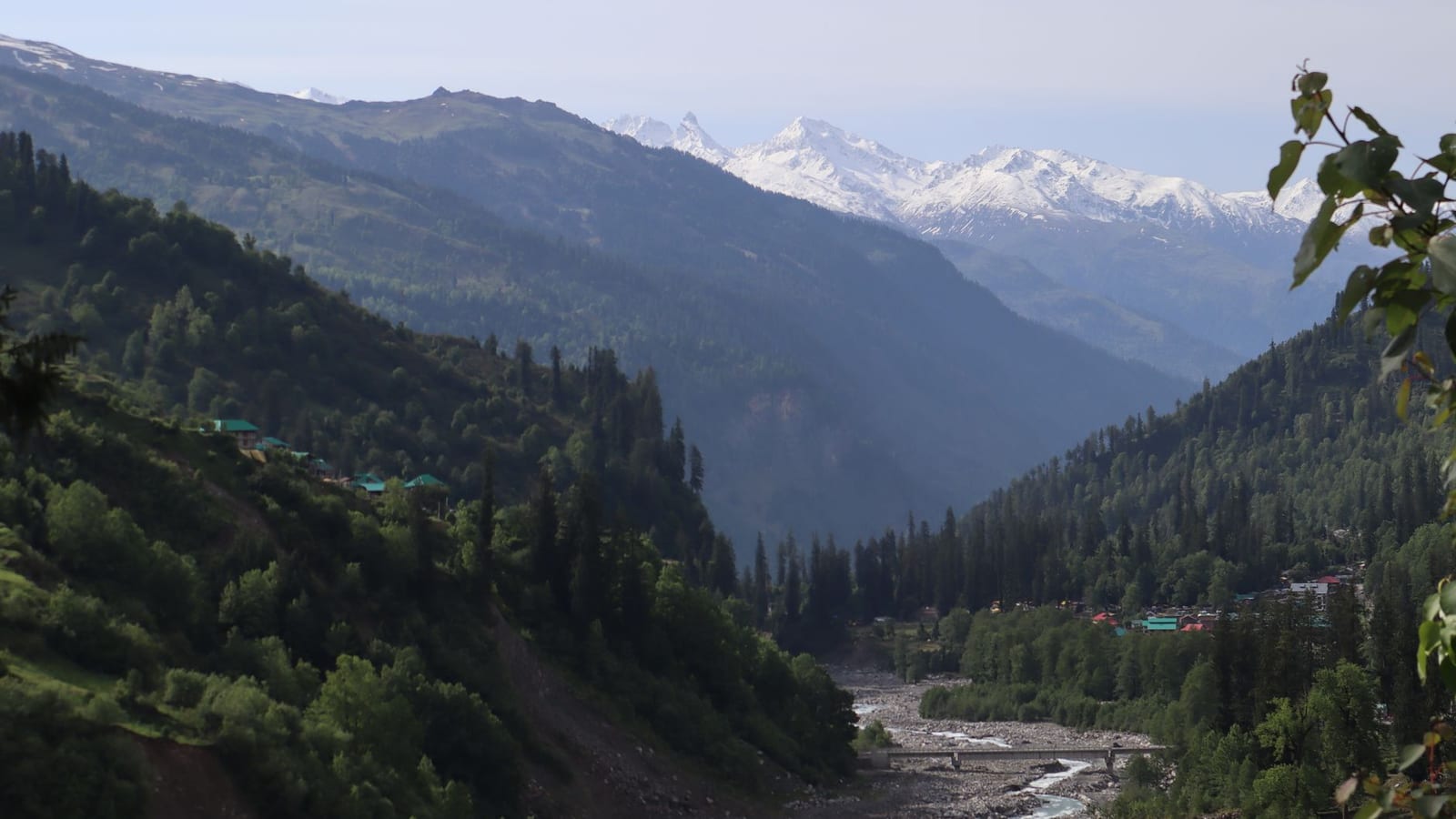
The Indian summer holiday is no longer just about rushing to Shimla or Goa.
As heatwaves stretch longer and city weekends feel shorter, travellers are redrawing the map. They want cooler air, fewer crowds, shorter breaks, and places that still feel rooted in local life.
That shift says something bigger about how India now travels. Families still want comfort. Young professionals want quick resets. Retirees want quieter routes. And almost everyone wants a holiday that does not feel like standing in another queue.
Summer travel moves beyond clichés
For decades, the summer escape had a predictable script. Book a hill station, pack sweaters, eat momos, return with fridge magnets. That script has not vanished, but it has grown tired.
Travellers now look beyond the most crowded names. The interest has moved towards quieter hill towns, high valleys, forested slopes, and places where the day slows down naturally.
This is where Sissu in Himachal Pradesh fits the new mood. It offers river views, trails, stargazing, and mountain quiet without the pressure of a packed Manali itinerary.
The same logic explains why lesser-known pockets of the Northeast are drawing attention. Visitors want landscapes, culture, and local rhythms without fighting through a tourist crush.
This is not some romantic rejection of popular places. It is practical. A holiday loses charm when traffic, hotel prices, and crowds eat half the experience.
For Indian families, that matters. A summer break is often the one big shared trip of the year. Nobody wants to spend it stuck outside a parking lot.
Short breaks become serious travel
The rise of micro escapes tells us something about urban India. People want to travel, but they cannot always vanish for ten days.
A micro escape is simply a short break, often two or three days. It fits around school calendars, office calls, and the exhausting rhythm of city life.
This is why weekend guides for Delhi, Mumbai, Kolkata, and Bengaluru now matter more than ever. Concerts, food festivals, workshops, and cultural shows have become mini holidays.
For a young couple paying rent and EMIs, a short trip can feel more realistic than a long vacation. For parents, a nearby weekend plan can save both money and patience.
The idea of luxury has also shifted. It is no longer only about a five-star lobby. Sometimes, it means sleeping well, eating properly, and not checking email for 36 hours.
That is why local stays and quick getaways are gaining ground. They give people a change of pace without the planning drama of a big trip.
This trend also helps smaller hotels, homestays, cafes, and local guides. Tourism money spreads better when travellers look beyond only famous circuits.
Heritage feels alive again
India’s heritage travel is also changing. Travellers do not only want monuments as photo backdrops. They want stories that connect old stones to living streets.
Warangal shows this well. Its temples, ruins, rituals, and everyday conversations keep the Kakatiya story alive. The past here does not sit inside a locked glass case.
Northern Kerala offers another example. Theyyam shrines, ancient caves, and cultural hubs pull visitors into a layered world of faith, performance, and memory.
In Bengal, Rabindranath Tagore’s legacy still lives through spaces linked to art, music, and thought. These are not just literary sites. They shape how people understand modern Indian culture.
This matters because heritage tourism can easily become lazy. A bus arrives, a guide recites dates, tourists take selfies, and everyone leaves unchanged.
The better version asks more from visitors. It makes them notice rituals, language, craft, food, and the way local people still use historic places.
That approach also protects places better. When travellers understand why a site matters, they treat it with more care.
Sacred routes find new travellers
Pilgrimage has always moved India. But younger travellers now approach sacred routes with a wider lens. They want faith, history, landscape, and reflection together.
Bodh Gaya remains central to Buddhist travel in India. It draws pilgrims because of its link to enlightenment, but also attracts travellers interested in global Buddhist history.
Sarnath, Dharamshala, Vaishali, Kushinagar, and Odisha’s Buddhist sites add further layers. These journeys connect philosophy, old trade routes, monastic traditions, and living communities.
The Buddha Purnima travel circuit shows how faith tourism is becoming more organised. Visitors follow routes that span Bihar, Uttar Pradesh, Odisha, Bengal, and the Himalayan belt.
For many Indians, these trips are not only religious. They are also a way to understand how ideas moved across the subcontinent and beyond.
That is the interesting part. A traveller may begin with a temple visit, then discover food practices, old languages, regional art, and Asian connections.
Good travel does that. It starts with one reason and quietly opens three more doors.
Islands, deserts, and monsoon routes
India’s travel map also feels bigger because travellers now choose sharper contrasts. They are not just escaping heat. They are chasing mood, season, and terrain.
Barren Island in the Andaman Sea offers one of the most unusual journeys. An overnight cruise from Port Blair brings travellers near India’s only active volcano.
That is not a casual beach holiday. It is a reminder that India also has raw geology, black lava slopes, sea crossings, and dramatic natural theatre.
At the other end, Jaisalmer changes how many visitors understand nature. For someone used to green hills, the desert can feel startling at first.
Its beauty comes through light, silence, distance, and gold-brown openness. It asks for patience, not constant activity.
Monsoon travel is also gaining a stronger place. South India’s rainy-season destinations offer waterfalls, lush hills, cooler weather, and quieter stays.
Keonjhar and Muruguma during the rains speak to this softer travel style. These are places for slow looking, not rushed checklists.
Near Kedarnath, quieter forests, lakes, meadows, and trails give travellers another route into the Himalaya. The main shrine remains powerful, but the landscape around it deserves attention too.
Even Udaipur is being read differently. The old royal holiday idea now mixes palace stays, lake views, summer planning, and the search for comfort with character.
This is where Indian travel is heading. Not away from famous places, but towards smarter choices within and around them.
The next few years will test both travellers and destinations. If roads, waste systems, local communities, and small businesses keep pace, India can offer far richer holidays. If not, today’s quiet escapes may become tomorrow’s crowded clichés. For ordinary travellers, the lesson is simple. Pick the season carefully, respect the place, and leave enough time to actually feel where you are.