Indians Pick Quieter Coolcations Over Hill Crowds
Heatwaves, high fares and crowded hill stations are pushing travellers towards cooler, quieter escapes in Meghalaya, Odisha and Himachal.
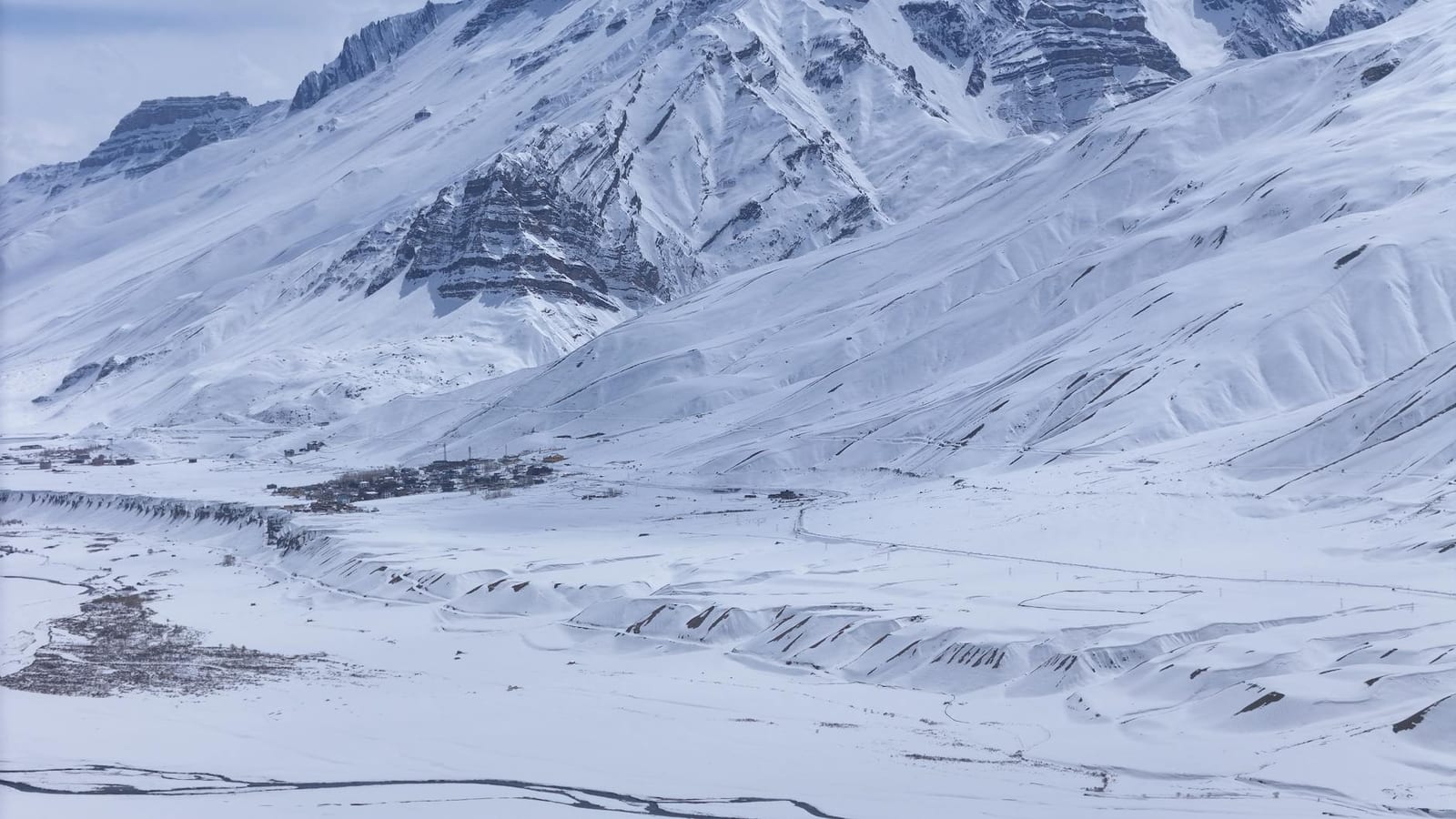
The Indian summer holiday is quietly moving away from the same crowded hill station photo.
Travellers are still chasing cool air, waterfalls, old towns, and long weekends. But the map looks different now. Caves in Meghalaya, Chettinad mansions, Odisha’s Buddhist sites, and quiet valleys beyond Manali are getting attention once reserved for the usual names.
This is not just about wanderlust. Heatwaves, expensive flights, packed hotels, and work calendars have changed how Indians plan breaks. The big annual vacation has not vanished. But the shorter, slower, smarter escape is clearly having its moment.
Heat is changing travel choices
The old summer formula was simple. Book a hill station, hope for pleasant weather, and accept traffic as part of the deal.
That formula now feels tired. Many families and young working couples want cooler places, but not the chaos that often comes with them. The result is a rise in “coolcations”, a simple word for trips built around cooler weather.
This explains the fresh interest in places like Sissu in Himachal Pradesh’s Lahaul Valley. It sits beyond Manali and offers river views, open skies, trails, and a slower mountain rhythm. For travellers who have done Shimla, Mussoorie, and Manali too many times, that matters.
The same pattern is visible across India. People want misty hills, forest roads, lakes, and waterfalls. But they also want quieter stays, fewer queues, and some breathing room.
Offbeat India gets its turn
The strongest travel trend this season is not foreign holidays. It is Indians rediscovering India beyond the obvious circuit.
Krem Liat Prah in Meghalaya is a good example. South Asia’s longest cave is not a casual picnic spot. It appeals to travellers who want geology, adventure, and a serious sense of scale.
For first-time visitors, Meghalaya often surprises in a simple way. The landscape does not behave like the plains. Roads bend around cliffs, clouds sit low, and rain can change the mood within minutes.
In eastern India, Keonjhar in Odisha and Muruguma in Purulia offer another kind of monsoon travel. Waterfalls, lakes, and rain-washed hills make them strong alternatives to crowded resort towns.
These places also spread tourism money differently. A homestay owner, a local driver, or a small eatery can benefit when travellers move beyond the famous spots.
But offbeat travel needs care. Lesser-known places do not always have the same transport, waste systems, or medical access. Travellers cannot treat every quiet destination like a polished resort town.
Culture is drawing careful travellers
India’s heritage travel is also becoming more layered. People are not only visiting monuments for photographs. They want stories, food, local craft, and a sense of living history.
Warangal in Telangana fits that mood well. Its temples, ruins, and everyday rituals keep the Kakatiya story alive. History here does not sit behind glass. It survives through roads, shrines, conversations, and local memory.
Northern Kerala offers a similar pull. Theyyam shrines, ancient caves, and cultural sites give travellers a different view of the state. It is not only beaches and backwaters.
Karaikudi in Tamil Nadu brings yet another texture. Its Chettinad mansions, antique markets, handloom sarees, and bold cuisine make it ideal for slow travel.
This kind of trip suits travellers who do not want to “cover” ten places in two days. They would rather understand one town properly.
That is a healthy shift. For years, Indian tourism treated culture like a checklist. Fort, temple, palace, market, done. The new traveller seems more willing to pause.
Short breaks are replacing big plans
The rise of micro escapes says a lot about urban Indian life.
A micro escape is just a short break of a few days. It may be a weekend near the city, a local staycation, or a quick drive to a nearby hill town.
The point is not luxury in the old sense. It is time. A change of air. A quiet morning. A meal that is not ordered between two work calls.
For many salaried professionals, long holidays are difficult. School schedules, office deadlines, and flight prices all interfere. So the three-day escape has become practical.
Delhi, Mumbai, Bengaluru, and Kolkata travellers are also using weekends for events. Concerts, food festivals, workshops, and cultural shows now shape city breaks.
This matters because travel is no longer only about distance. A good weekend can happen inside a city, on its edge, or one train ride away.
Still, short breaks can create pressure on fragile places. A sudden rush of cars can overwhelm mountain roads or small towns. Local planning has to catch up with this new rhythm.
Islands, deserts, and pilgrim routes widen the map
Some of the season’s most interesting travel ideas sit far from the standard family holiday.
Barren Island in the Andaman Sea is one of them. India’s only active volcano can be seen from an overnight cruise from Port Blair. The journey covers around 143 km and offers a rare view of black volcanic slopes rising from the water.
This is not a beach holiday in the easy sense. It is more about witnessing a raw landscape from a respectful distance. That alone makes it different from the usual island brochure.
In Rajasthan, Jaisalmer continues to remind travellers that nature does not always mean green. The desert’s colour, silence, and shifting light can surprise people used to mountains and forests.
Pilgrimage routes are changing too. Kedarnath remains the main draw for many devotees. But quieter places nearby, including forests, lakes, meadows, and trekking routes, are drawing nature-focused visitors.
Buddhist circuits are also getting fresh attention around Bodh Gaya, Sarnath, Dharamshala, and Odisha’s Ratnagiri, Udayagiri, and Lalitgiri. These journeys mix faith, history, architecture, and reflection.
For Indian families, this blend is familiar. A trip can be religious, educational, scenic, and restful at once. That is how many households have always travelled.
What has changed is the confidence to choose places outside the usual package tour.
The next phase of Indian travel will depend on whether this curiosity becomes more responsible. Smaller towns and remote valleys can welcome visitors, but they cannot absorb careless crowds forever. For ordinary travellers, the choice is simple. Go slower, spend locally, respect the place, and return with more than a photo.