Indians Seek Quieter, Personal Holidays This Summer
Indian travellers are moving beyond crowded hill stations, choosing quieter valleys, flexible road trips and more personal summer breaks in 2026.
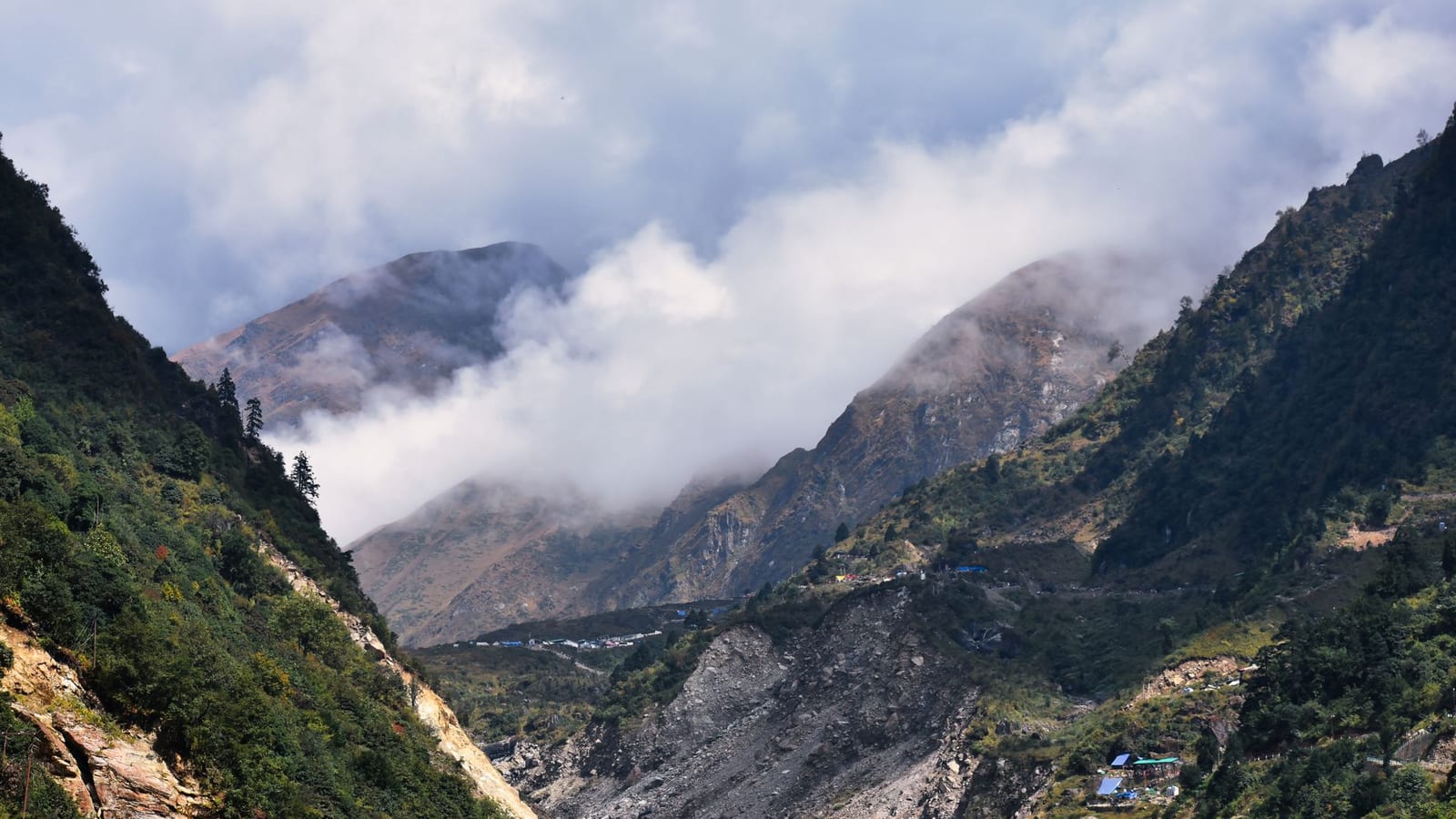
The Indian summer holiday has stopped looking like one neat family trip to Shimla or Goa.
It now looks scattered, restless, and more personal. One group wants misty waterfalls. Another wants a quiet valley beyond Manali. Someone else wants to take the dog along, avoid airports, or spend a weekend chasing food, books, temples, and music.
This is the new Indian travel mood in 2026. People still want escape, but they also want space, meaning, comfort, and fewer crowds.
Heat is changing holiday plans
The old summer formula was simple. When the plains burned, families ran to the hills. But many famous hill stations now feel like city traffic with pine trees.
That is why quieter names are gaining attention across Himachal Pradesh, Uttarakhand, Ladakh, and the Northeast. Travellers now search for Sissu, Tons Valley, lesser-known Ladakh villages, and smaller mountain settlements.
This shift says something important. Indians are not just travelling more. They are becoming pickier.
A family from Delhi may still want cool weather. But they may not want a six-hour jam near a mall road. A working couple may want Wi-Fi, clean rooms, and mountain air, not noise and selfie queues.
Heatwaves have also changed the rhythm of holidays. “Coolcations” sound like a fancy word, but the idea is simple. People choose colder places because cities have become harder to bear.
This is not only about comfort. It affects hotel pricing, local transport, waste, water use, and small businesses in hill towns. When crowds move from famous destinations to smaller ones, pressure follows them.
Monsoon travel gets a wider map
For years, many Indians treated the monsoon as a bad travel season. Flights got delayed, roads broke, and beaches turned rough. That thinking is changing fast.
States like Meghalaya, Kerala, Odisha, West Bengal, and Karnataka now draw travellers who want rain, not sunshine. Waterfalls, forests, lakes, caves, and tea estates look completely different in this season.
Meghalaya’s monsoon appeal is easy to understand. Misty hills, living root bridges, and roaring waterfalls turn the state into a dramatic landscape. But it also needs careful planning.
Rain travel rewards patience. It punishes haste. Roads can close, visibility can drop, and mobile networks may fade in remote pockets.
That is where many first-time travellers still go wrong. They plan monsoon trips like regular city breaks. They pack tight schedules and expect every viewpoint to behave.
A good monsoon holiday needs fewer stops and more buffer time. It also needs local advice, especially in hilly and forested areas.
The same applies to places like Keonjhar, Muruguma, Kolukkumalai, and South India’s rain-fed hill stations. The reward can be magical. The practical bits matter just as much.
Travellers want culture, not checklists
Another clear change is the return of cultural travel. But this is not the old “cover five monuments before lunch” style.
People now want stories. They want Banaras through ghats, markets, aarti, and temple lanes. They want Warangal through Kakatiya history and daily life. They want northern Kerala through Theyyam shrines, caves, and lived traditions.
Kashi shows this perfectly. The city attracts pilgrims, photographers, food lovers, old-world wanderers, and young Indians looking for something deeper than a normal holiday.
That mix can create beauty. It can also create friction. As religious tourism meets better roads, hotels, and faster booking apps, devotion becomes easier to package.
This is the real tension. Improved access helps elderly pilgrims and families. But too much convenience can flatten the slow, difficult texture that made many sacred journeys meaningful.
The same question now follows many heritage destinations. How do you welcome travellers without turning living culture into a performance?
Local communities sit at the centre of this question. Priests, boatmen, guides, homestay owners, drivers, craft sellers, and café workers all depend on visitors. Yet they also carry the daily burden of overcrowding.
Good travel in 2026 will need more respect than hashtags. It means staying longer, spending locally, dressing sensibly, and not treating rituals like stage shows.
The airport becomes a destination
India’s travel growth no longer begins only at the railway platform or highway dhaba. It now begins at airports, apps, and bundled holiday carts.
MakeMyTrip reflects the booking side of this shift. Flights, hotels, trains, holidays, and local stays now sit inside one digital habit for millions of Indians.
That convenience has changed how people decide. Earlier, a trip started with a destination. Now it may start with a fare alert, a hotel deal, or a long weekend calendar.
Airports are changing too. Kempegowda International Airport Bengaluru, after 18 years of operations, has grown beyond a transit point. It now presents itself as a lifestyle-led space, not just a place to board flights.
This matters because airports shape how cities sell themselves. Bengaluru’s airport tells travellers that the journey can begin before take-off. Retail, food, design, and waiting areas now form part of the experience.
For Indian travellers, this is both useful and costly. Better terminals make travel smoother. But airport-led comfort often comes at premium prices.
The larger trend is clear. Travel companies and airports want a bigger share of the journey. Not just the ticket. Not just the room. The entire day.
Pet trips and inclusive holidays
The Indian holiday is also becoming more personal. Pet-friendly travel has moved from rare to visible. Flights, train cabins, curated stays, cafés, beaches, and pet spas now enter the planning conversation.
This matters for urban families who treat pets as family members. Earlier, they had two choices. Leave the pet behind, or skip the trip.
Now, the market has sensed demand. Hotels and operators have started making space for it, though service quality will vary widely.
Queer-friendly travel is another important part of this change. Guides now point travellers towards cities, beaches, heritage towns, and nature retreats where LGBTQ+ visitors may feel more comfortable.
That word, comfortable, matters. It does not promise perfection. It speaks to safety, dignity, and the basic right to enjoy a holiday without constant alertness.
India’s tourism market often talks about numbers. More rooms, more flights, more destinations. But the next stage will depend on trust.
Women travelling solo, queer couples, older parents, pet owners, and young backpackers all ask different questions. Is the place safe? Will staff behave well? Can I move around easily? Will I be judged?
Destinations that answer these questions well will win repeat travellers. Those that only chase footfall may struggle.
India’s travel story in 2026 is not about one “best” place. It is about Indians asking better questions before they go. They want cooler air, richer stories, kinder spaces, and fewer wasted days. For ordinary readers, that means the smartest trip may not be the farthest one. It may be the one planned with patience, local sense, and a little humility.