Iran talks keep Gulf travel costs in focus for Indians
Pakistan and Qatar push mediation as US says an Iran deal is not close, keeping Gulf routes, fuel prices and summer travel costs in focus.
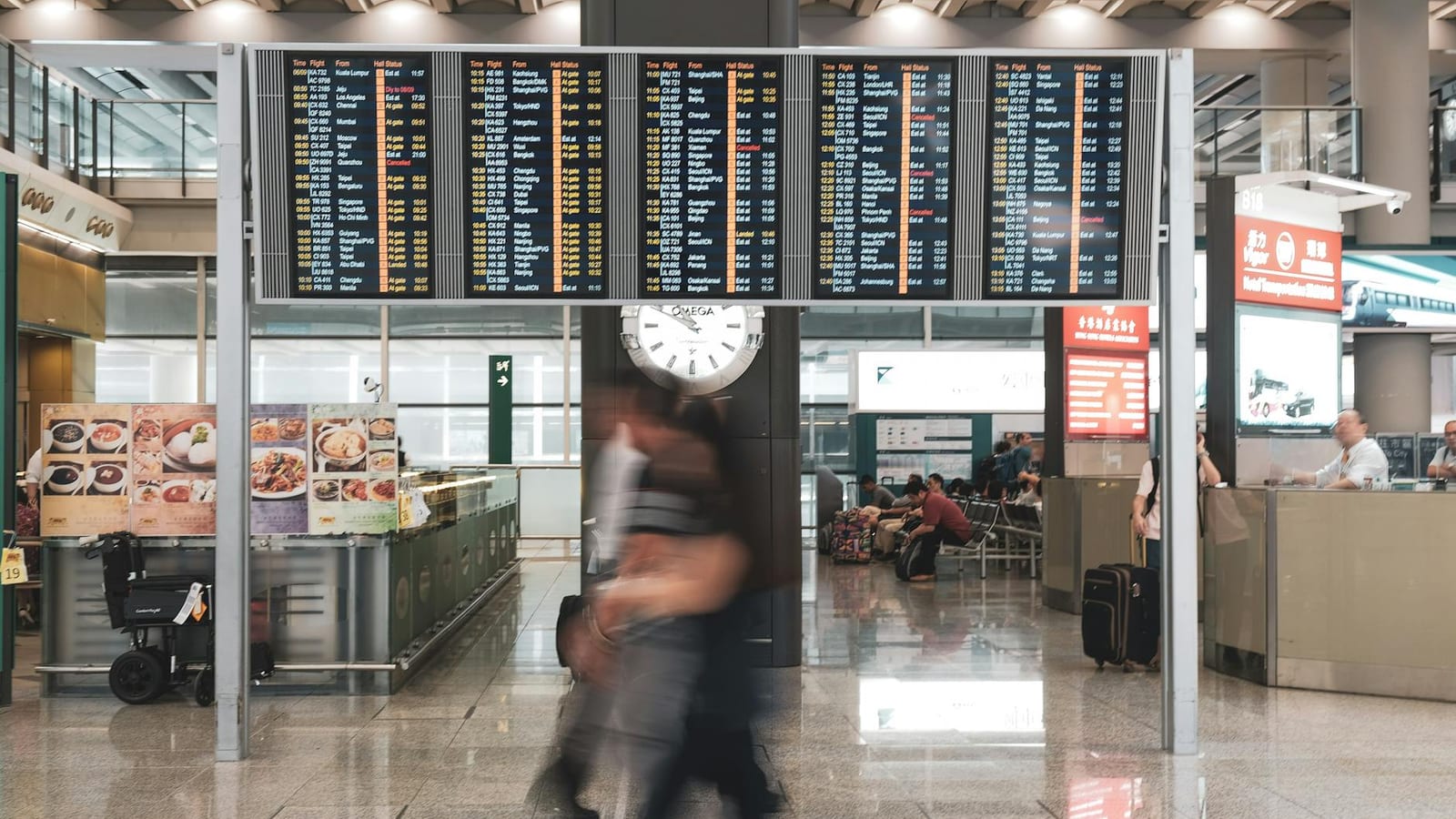
For Indian families planning summer trips through the Gulf, this is not distant diplomacy. One blocked sea lane can quickly become pricier fuel, costlier flights, and nervous travel desks.
That is why talks in Tehran matter far beyond West Asia. Pakistan and Qatar are trying to cool a dangerous standoff involving Iran, the United States, and Israel.
US Secretary of State Marco Rubio said talks had made some progress. But he also warned that a deal was still not close.
Pakistan and Qatar enter talks
Pakistan Army chief Asim Munir arrived in Tehran on Friday, as Islamabad pushed deeper into mediation. Pakistan’s Interior Minister Syed Mohsin Naqvi also met Iranian Foreign Minister Abbas Araqchi.
Qatar sent a negotiating team to the Iranian capital too. That move matters because Doha often acts as a quiet bridge in tense regional talks.
The timing is sensitive. A fragile ceasefire has held for about six weeks after months of fighting involving Iran, the United States, and Israel.
For ordinary travellers, such ceasefires are not just lines in diplomatic notes. They decide whether airlines keep routes stable, insurers stay calm, and fuel prices behave.
Indian travellers know this drill well. A Gulf disruption rarely stays in the Gulf. It reaches ticket counters in Delhi, Mumbai, Kochi, Hyderabad, and Ahmedabad.
Rubio says gaps remain
Rubio told reporters after a Nato ministers’ meeting in Sweden that negotiators had narrowed some differences. Still, he made it clear that nobody should celebrate yet.
He said there was progress, but not enough. His message was plain, the talks are alive, but the hard part remains.
The biggest disputes concern Iran’s enriched uranium and the Strait of Hormuz. That narrow waterway carries around a fifth of global oil and liquefied natural gas.
Think of Hormuz as a crowded toll naka for the energy world. If traffic slows there, fuel markets everywhere start getting jumpy.
Tehran has floated controls over shipping through the strait, including a tolling idea. Rubio called that unacceptable and said Washington wanted the waterway fully open.
The United States has not asked Nato for military help there, Rubio said. But he added that planning must continue if Iran refuses to reopen the route properly.
That line will worry markets. It suggests diplomacy is still the main path, but military options have not vanished.
Iran draws its red lines
Iran’s foreign ministry spokesman Esmaeil Baghaei said differences with Washington remain deep. He also said diplomacy takes time.
That sounds reasonable on paper. But in a crisis, time is not neutral. Markets price fear by the hour, and families see it later in bills.
Baghaei indicated talks could stall if Washington pushed too hard on Iran’s enriched uranium stockpile. He also said nuclear issues were not part of active discussions right now.
That is a major sticking point. The United States wants Iran to send its near-weapons-grade enriched uranium abroad. Iran has resisted that demand.
Iranian officials have also pressed for sanctions relief, compensation for war damage, access to frozen assets, and control measures in Hormuz.
From Tehran’s view, these are bargaining chips. From Washington’s view, they are red flags. That is why mediation looks busy but progress looks slow.
Why Indians should watch
For Indian readers, the immediate concern is not treaty language. It is oil, airfares, remittances, and the safety of Indians across the Gulf.
India depends heavily on imported crude. When oil gets expensive, petrol and diesel may not rise overnight, but pressure builds inside the economy.
A trucking operator feels it first. Then a vegetable seller feels it. Eventually, a household budget feels it too.
Airlines also feel fuel shocks quickly. Aviation turbine fuel makes up a large part of operating costs. When crude rises, cheap international fares become harder to find.
This matters for families visiting relatives in Dubai, Doha, Muscat, Riyadh, and Kuwait. It also matters for workers flying back after leave.
If the Strait of Hormuz stays tense, airlines may also review routing risk. That does not always mean cancelled flights. But it can mean longer routes, tighter schedules, and higher costs.
Travel insurance can become more cautious as well. Policies may exclude conflict zones or charge more for certain routes. Travellers should read fine print before booking.
The Gulf is not just a travel corridor for Indians. It is a workplace, a family network, and a remittance engine.
Millions of Indians work across West Asia. When conflict spreads, their families back home watch news alerts with a different kind of fear.
Markets wait for a signal
Oil prices rose again on Friday as talks remained uncertain. The US dollar also stayed near a six-week high.
That combination usually makes life harder for import-heavy economies. Oil gets costlier, and the rupee can face pressure when the dollar strengthens.
Stock markets may still rise on hope. But bond markets and currency traders often reveal deeper nervousness.
Investors are trying to answer one simple question. Will diplomacy calm the region before shipping and energy flows face another shock?
The conflict escalated after US-Israeli airstrikes began on February 28. Iran later targeted Gulf states hosting American military bases.
Fighting also reignited between Israel and Hezbollah in Lebanon. Thousands have died in Iran and Lebanon since the war began.
The United States and Israel say they want to dismantle Iran’s nuclear and missile programmes. They also want to curb Tehran’s support for regional armed groups.
Iran still holds its enriched uranium stockpile. It also retains missile and drone capabilities, which keeps pressure on every negotiation.
This is why the latest mediation push feels both urgent and limited. Everyone wants a pause. Nobody wants to look weak.
For Indian travellers, the practical advice is simple. Watch fares before booking, check airline advisories, and avoid assuming today’s route will stay unchanged.
For the wider economy, the lesson is older than this crisis. A narrow stretch of water far from India can still enter every Indian home, through fuel, food, fares, and anxiety. Diplomacy in Tehran may feel remote, but its success could decide how expensive the next few months become.