Iran-US talks put Hormuz oil route back in focus
Iran-US nuclear talks could ease pressure on the Strait of Hormuz, a key oil route whose disruption can raise fuel and shipping costs for India.
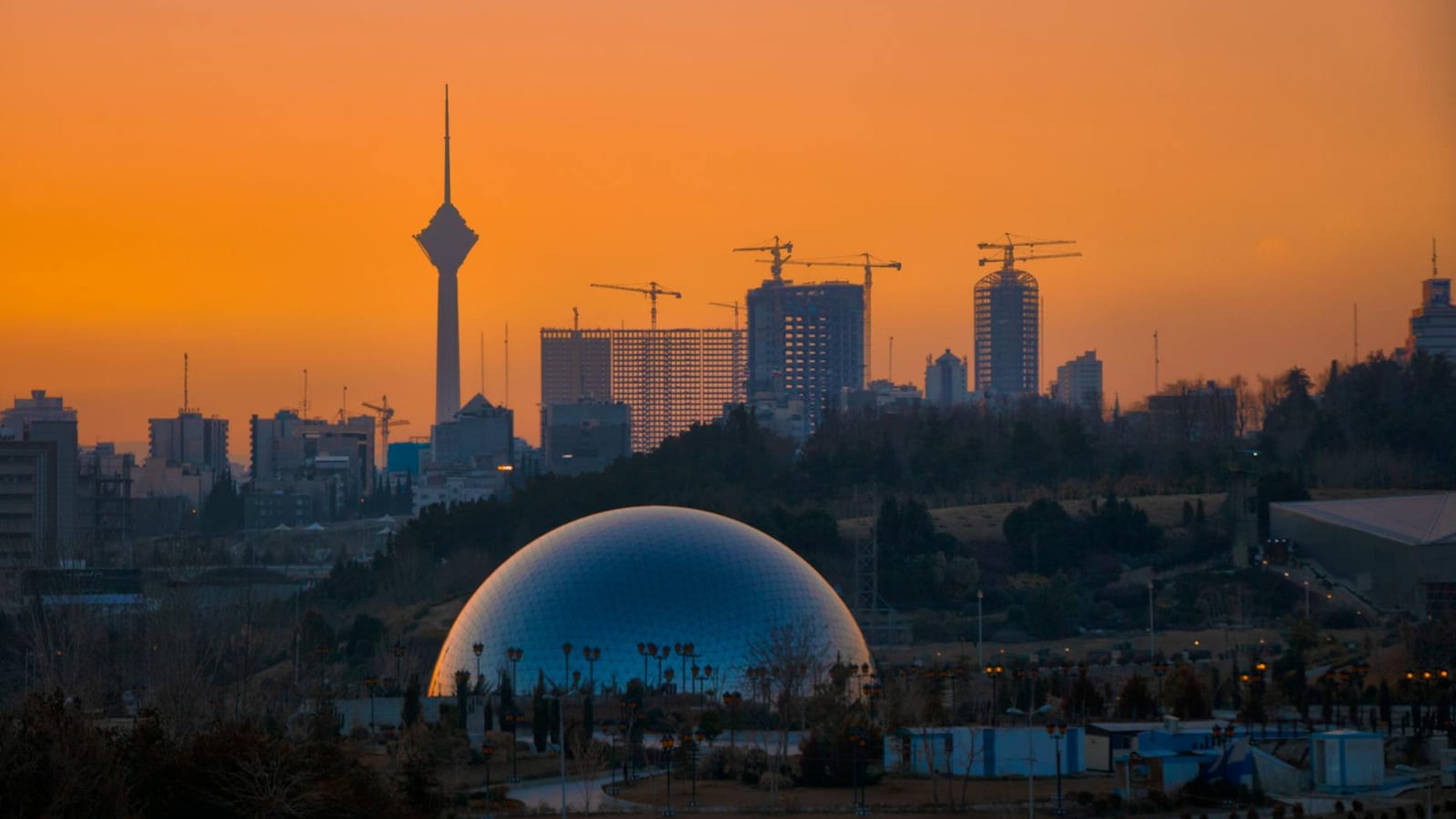
Oil traders do not need much drama to get nervous. Close the Strait of Hormuz, and suddenly everyone from airlines to taxi drivers starts doing mental maths.
That is why the latest movement in talks between Iran and the United States matters far beyond Tehran and Washington. For India, this is not distant foreign policy. It touches fuel prices, shipping costs, air routes, and household budgets.
US officials say Iran has shown readiness, at least in principle, to give up its highly enriched uranium stockpile. Iranian voices have pushed back, saying the nuclear question belongs to later talks. That gap is exactly where the story sits.
Hormuz sits at the centre
The immediate prize is the reopening of the Strait of Hormuz, one of the world’s most sensitive shipping lanes. A large share of global oil and gas moves through this narrow passage.
When Hormuz gets blocked, prices do not rise politely. They jump, because buyers fear supply trouble before barrels actually go missing.
For India, that fear travels fast. Crude oil affects petrol, diesel, aviation fuel, fertilisers, plastics, and transport. A long crisis can make even vegetables costlier by raising logistics bills.
US President Donald Trump has said Washington and Tehran are close to a deal. He has indicated that final details are being discussed. US Secretary of State Marco Rubio, speaking in New Delhi, also hinted at possible good news on Hormuz.
That timing is important. Rubio’s remarks came in India, where energy security is never an abstract topic. Every government in Delhi knows crude prices can upset budgets and elections.
Uranium remains the hard part
The hardest issue is Iran’s stockpile of enriched uranium. The International Atomic Energy Agency says Iran holds nearly 400 kilograms of uranium enriched to 60 percent.
That number sounds technical, but the meaning is simple. Natural uranium needs heavy processing before it can become useful for nuclear weapons. Uranium enriched to 60 percent is much closer to that danger zone.
Weapons-grade uranium usually needs enrichment near 90 percent. So 60 percent is not a bomb by itself. But it shortens the road in a way that alarms Israel and the US.
US officials say Tehran has accepted, in broad terms, that this stockpile must be dealt with. The actual method remains open. Iran could ship it out, dilute it, or neutralise it through another process.
None of these options is easy. Shipping uranium abroad would look like a retreat to hardliners in Tehran. Diluting it at home would need tight monitoring. Leaving it untouched would make Washington and Israel deeply uncomfortable.
This is why the next 30 to 60 days matter. The political deal may come first. The technical work will decide whether it survives.
Tehran sends mixed signals
The public messaging from Iran has not been neat. One senior Iranian figure has disputed the claim that Tehran has agreed to send out its uranium stockpile.
That person said the nuclear issue would come during final talks, not in the preliminary arrangement. In plain terms, Tehran may want the ceasefire and Hormuz reopening first, while pushing the nuclear bill to later.
This is a familiar negotiating style in West Asia. Everyone wants relief now, but nobody wants to look weak at home.
For Iran, the uranium stockpile is not just material in a facility. It is bargaining power. Giving it away too early would reduce Tehran’s strongest card.
For Washington, postponing the matter carries risk. If the first deal ignores uranium, critics will say Iran gained breathing space without making a real concession.
That is why US officials appear to be pressing for at least a written understanding now. They do not need every pipe and container mapped today. But they want Iran to accept the principle before troops stand down fully.
India watches the fuel meter
India’s stake is practical. The country imports most of its crude oil. Even a short spike can disturb the government’s fiscal math.
A costlier barrel affects the Centre in two ways. If fuel prices are passed on, consumers feel the pinch. If prices are absorbed, oil companies and public finances take the hit.
Air travel also feels it quickly. Aviation turbine fuel forms a large part of airline costs. When fuel gets expensive, fares usually follow, especially on busy holiday and business routes.
Shipping firms face similar pressure. If vessels avoid risky routes or pay higher insurance, import costs rise. That cost can land on businesses and then shoppers.
A small exporter in Surat, a pharmacy chain in Lucknow, or a hotel in Goa may never discuss Hormuz. Yet their bills can reflect it.
This is why Indian diplomats usually prefer de-escalation in the Gulf. Millions of Indians live and work in the region. Remittances, jobs, shipping, and energy all sit in the same basket.
The deal still has sharp edges
The proposed agreement may also include the release of frozen Iranian assets abroad. That could give Tehran money for reconstruction and relief.
But US officials appear keen to phase that relief. Some funds may move only after a final nuclear understanding. That structure keeps pressure on Iran to continue talks.
Military options remain part of the background. US planners have examined ways to target Iran’s uranium reserves, much of which sits underground. Such planning does not mean an attack is certain. It means diplomacy still carries a threat behind it.
There was also discussion of more daring options, including seizing material directly. Such ideas carry huge risk. A failed operation could widen the war and shake Gulf states already on edge.
The 2015 nuclear agreement offers one possible template. Under that deal, Iran sent large portions of enriched uranium abroad. A similar route could reassure the US and Israel, but Tehran’s politics are very different now.
The core question is trust. Iran wants sanctions relief and security. The US wants limits that can be checked. Israel wants the stockpile removed from danger. Gulf states want the fire contained.
India wants all of the above, but with oil moving and citizens safe.
If the Hormuz deal lands, markets may calm quickly. But the deeper test will come later, in technical rooms where diplomats argue over kilograms, seals, cameras, and timelines. For ordinary Indians, that sounds far away. It is not. The price at the pump often begins in places most of us will never see.