Iran warns US against new strikes as Gulf risks rise
Tehran says any renewed US attack will draw a tougher response, keeping oil, shipping and airline risks high for India and global markets.
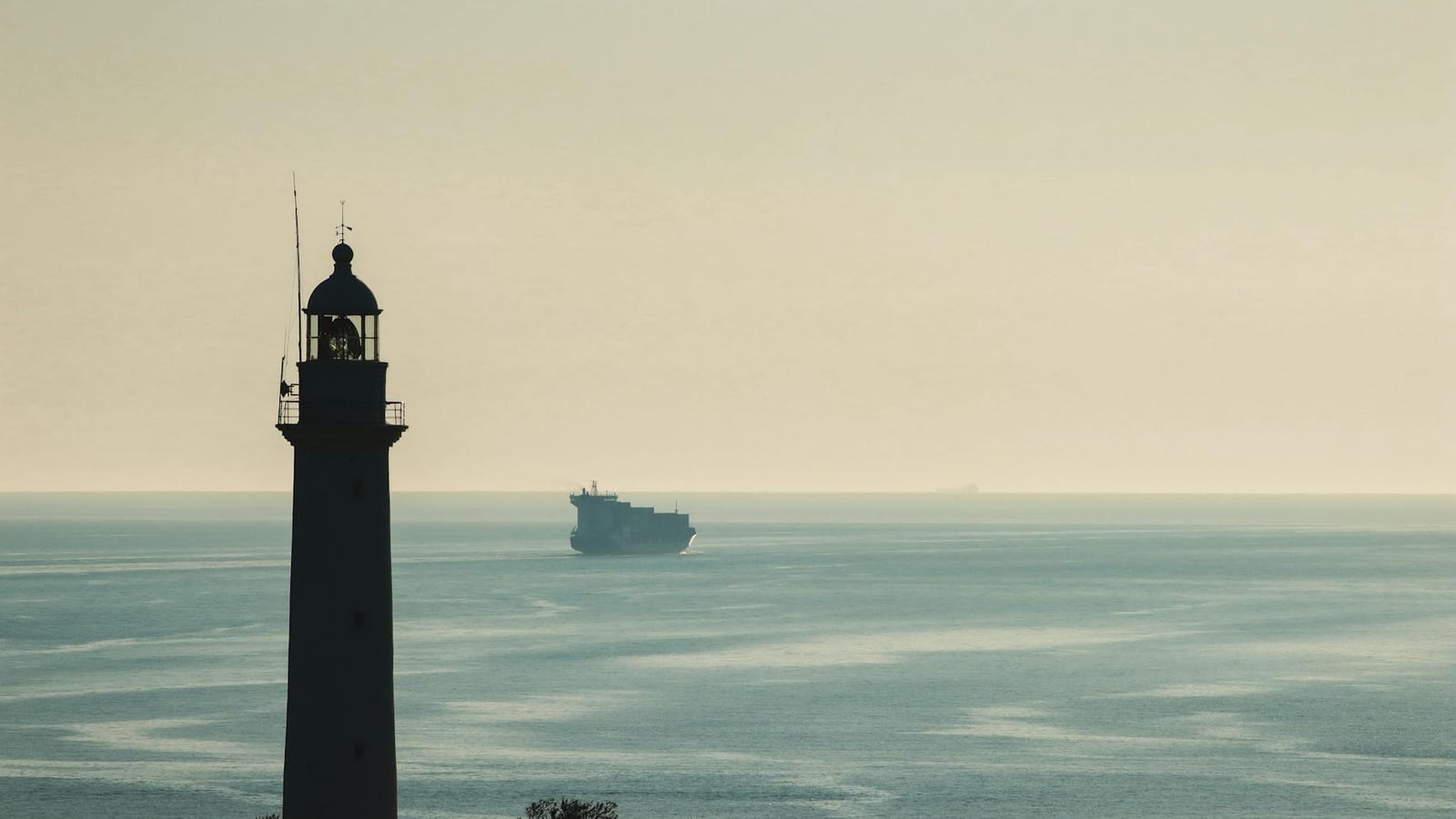
A war scare near the Persian Gulf rarely stays there for long. It reaches Indian petrol pumps, flight routes, kitchens, and company balance sheets.
That is why the latest Iran-US standoff matters far beyond Tehran and Washington. Iran has warned that any fresh American military action will bring a harsher response than before.
The warning came during talks in Tehran with Asim Munir, Pakistan’s army chief, as Islamabad tried to keep a shaky ceasefire alive.
Tehran sends a hard warning
Iran’s Parliament Speaker Mohammad Bagher Ghalibaf told Munir that Tehran would not bargain away sovereignty or public rights.
He also said Iran’s armed forces had rebuilt strength during the ceasefire. His message was blunt. If the US restarts military action, Iran says the reply will hurt more.
This is not just theatre. Since US-Israeli strikes on Iran on February 28, the region has sat on a dangerous edge. Iran hit back, and the fighting disrupted shipping through one of the world’s most important sea routes.
A ceasefire began on April 8. But a ceasefire is not peace. It is only a pause where both sides keep one hand near the trigger.
Iran’s line remains clear. It says it will not negotiate while facing military pressure. That position has worked before in regional diplomacy, but it also narrows room for compromise.
Trump weighs another strike
In Washington, Donald Trump has kept up pressure on Tehran. He said Iran wanted an agreement, but added that it could not be allowed to get a nuclear weapon.
US officials have discussed fresh strikes if talks fail. Trump has also shared provocative social media images, including one showing Iran in American colours.
That kind of messaging may please domestic supporters. But in West Asia, symbols travel fast. They harden public opinion and make back-channel talks harder.
The core dispute remains Iran’s nuclear programme. The US and Israel want strict limits on uranium enrichment, missiles, drones, and Tehran’s regional networks.
Iran sees those demands as an attempt to weaken the state itself. This is why negotiations often sound simple from outside, but become nearly impossible inside the room.
For India, the nuclear argument is only one part of the worry. The bigger immediate fear is disruption. Oil, gas, shipping, insurance, and aviation all move together in this region.
Pakistan steps into mediation
Pakistan has placed itself in the middle of this tense exchange. Munir’s visit to Tehran was his second in just over a month.
Pakistan’s military said the trip aimed to end the conflict and support lasting regional peace. Munir also met Iranian Foreign Minister Abbas Araghchi.
Iranian officials said the talks covered ways to prevent escalation and protect stability across West Asia. Discussions reportedly went late into the night.
Islamabad has a practical reason to stay involved. It keeps channels open with Tehran, while also maintaining ties with Washington. Few capitals can speak to both sides without being dismissed instantly.
Pakistan had hosted senior US and Iranian representatives last month for rare peace talks. Those discussions did not produce a breakthrough.
Still, mediation matters even when it fails. In such conflicts, a working phone line can prevent one missile strike from becoming a wider war.
For India, Pakistan’s role will be watched with interest and caution. New Delhi has deep stakes in Gulf stability, but it will not want Islamabad shaping the regional conversation alone.
Hormuz matters to Indian wallets
The Strait of Hormuz is a narrow waterway with a giant grip on the global economy.
Under normal conditions, about one-fifth of global energy supplies pass through it. When shipping slows there, oil markets start sweating almost immediately.
For ordinary Indians, that can show up in boring but painful ways. Petrol prices become harder to manage. Diesel costs affect truck transport. Cooking gas and airline fuel become more expensive.
A family planning summer travel may not follow every diplomatic statement from Tehran. But they may still feel the result while booking flights.
Airlines often adjust routes when conflict risks rise. Longer routes mean more fuel. More fuel means higher costs, and those costs usually reach passengers.
Businesses feel it too. A small manufacturer importing parts may face delayed shipments. A trader may see freight costs rise. A hotelier may worry if long-haul tourists cancel plans.
India has seen this pattern before. Whenever West Asia becomes unstable, the shock reaches home through energy and remittances.
Millions of Indians work across the Gulf. Their safety, jobs, and travel plans depend on regional calm. That human link makes every flare-up more than a foreign policy story.
No easy deal in sight
The problem is that both sides have drawn thick red lines.
Washington says Iran must never get a nuclear weapon. Tehran says it will defend its rights and will not bend under threat.
US Secretary of State Marco Rubio said there had been some progress, but more work remained. Iran’s foreign ministry said differences were still deep.
That gap is the story. Diplomacy is moving, but trust is missing. Without trust, every proposal looks like a trap.
Iran reportedly wants talks to follow a document it considers the main framework. The US appears to want clearer limits before easing pressure.
Meanwhile, military planning continues in the background. That is how crises become dangerous. Negotiators talk in one room, while generals prepare in another.
For Indian policymakers, the sensible path is clear. Keep evacuation plans updated, track energy exposure, and speak to all sides without grandstanding.
For Indian consumers, the issue is simpler. A conflict far away can still change household budgets at home.
The next few days will show whether mediation can buy more time. Time alone will not solve the Iran-US dispute. But in West Asia, sometimes time is the first thing peace needs.