Iran Warns US Against New Strikes As Munir Visits
Iran told Pakistan army chief Asim Munir it would hit back harder if the US renewed attacks, as Hormuz tensions threaten fuel and shipping costs.
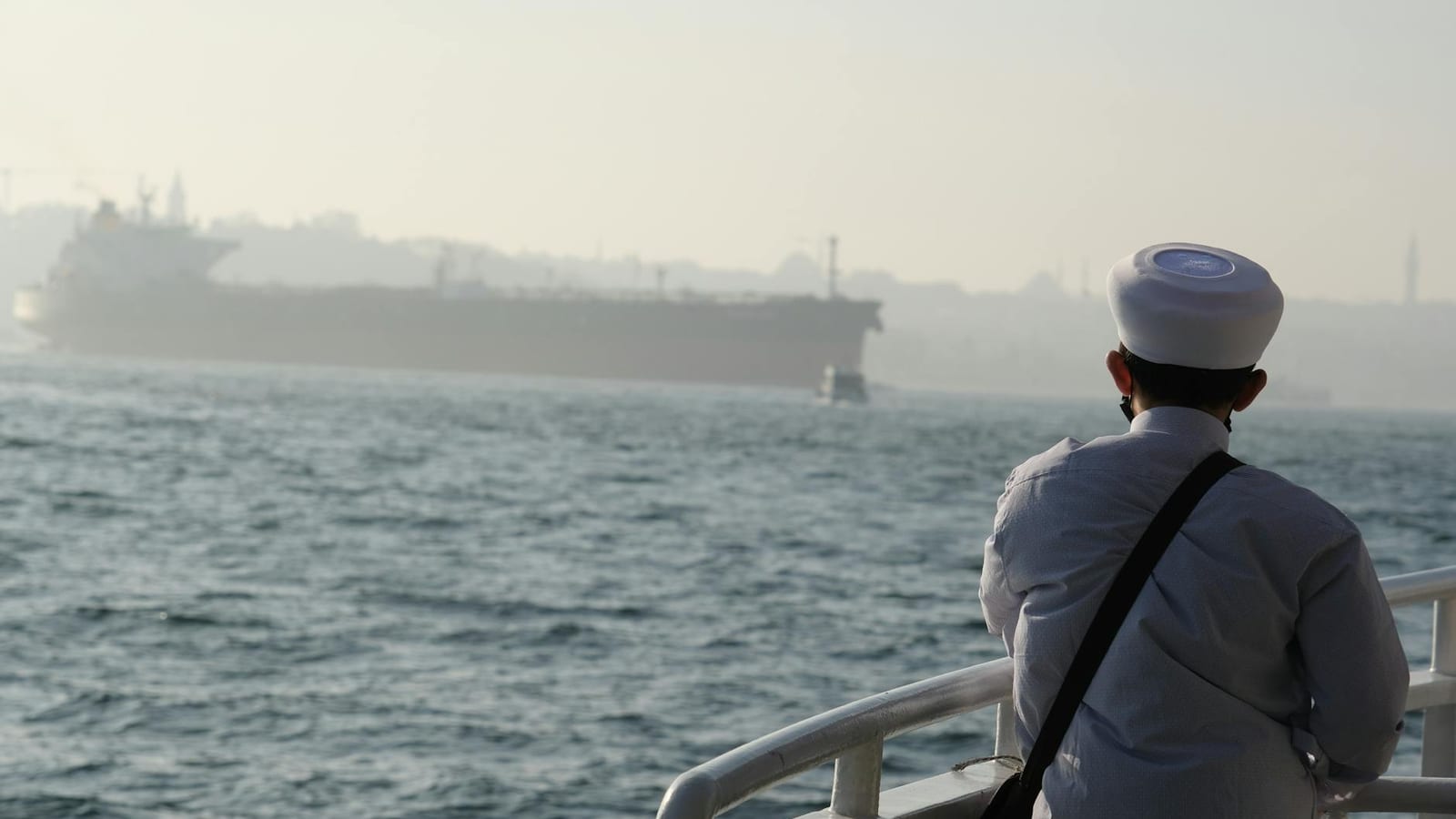
A narrow strip of water near Iran has once again become the world’s most nervous shipping lane.
For India, this is not some distant West Asian quarrel. When the Strait of Hormuz gets tense, petrol pumps, airline fares, shipping bills, and household budgets can all feel the heat.
That is why Pakistan Army chief Asim Munir landing in Tehran matters beyond diplomacy. He is trying to keep a fragile ceasefire from turning into another round of fire.
Iran hardens its warning
Iran has sent a blunt message to Washington. Its Parliament Speaker Mohammad Bagher Ghalibaf told Munir that Tehran would not bargain away its national rights or sovereignty.
He also warned that Iran had used the ceasefire period to rebuild military strength. If the US restarted attacks, he said, Iran’s response would be harsher than before.
That warning tells us two things. Iran wants to look ready for war, but it also wants the world to hear its case through diplomacy.
This is a familiar West Asian pattern. Leaders speak in hard language at home while keeping negotiation doors slightly open abroad.
Trump weighs military options
The tension has sharpened because Donald Trump is again considering military action if talks fail.
Trump told a White House event that Iran wanted a deal. But he repeated that Iran could not be allowed to build a nuclear weapon.
That is the core American line. Washington says the nuclear issue is non-negotiable. Tehran says it will not negotiate while facing military pressure.
Trump has also used social media to send a much louder political signal. He shared an edited map showing Iran in American flag colours, with a provocative caption.
Such posts may play well with supporters. But in a crisis, imagery can harden public mood and leave diplomats with less room.
Hormuz keeps India watching
The Strait of Hormuz is the real-world pressure point in this crisis. Around one-fifth of global energy supplies move through it in normal times.
Shipping has already faced disruption after joint US-Israeli strikes on Iran on February 28. Iran responded, and a ceasefire began on April 8.
For an Indian audience, this is where geopolitics enters daily life. India imports a large share of its crude oil needs.
When shipping routes look risky, insurers charge more. Tankers slow down or reroute. Energy traders price in fear even before supply actually falls.
That can push up fuel costs. It can also affect airfares, freight costs, and the price of imported goods.
A family planning a summer trip may not follow Hormuz closely. But they may notice dearer tickets or higher petrol bills.
Pakistan steps into the middle
Pakistan’s role is unusual and worth watching. Islamabad says Munir’s Tehran visit aims to create conditions for lasting peace.
Iranian officials said Munir met Foreign Minister Abbas Araghchi. Their talks focused on preventing escalation and improving regional stability.
Pakistan’s Interior Minister Mohsin Naqvi was also in Tehran, holding separate meetings with senior Iranian officials.
Munir’s visit is his second trip to Iran in just over a month. That shows Pakistan wants a visible seat at the table.
Islamabad has channels with both Tehran and Washington. That makes it useful at a time when direct trust is thin.
Pakistan also hosted rare US-Iran peace talks last month. Those talks did not produce a breakthrough, but the format itself was notable.
This is diplomacy by messengers, not friends. Nobody here fully trusts the other side, but everyone knows the cost of open war.
Talks remain fragile
The main dispute remains Iran’s nuclear programme. The US and Israel want Iran’s enriched uranium, missiles, drones, and regional network curbed.
Iran says its rights cannot be surrendered. Its officials argue that Washington cannot demand trust while keeping military force on the table.
US Secretary of State Marco Rubio said Washington had seen some progress. But Iran’s foreign ministry said major differences remained.
That gap is the story. Both sides want to avoid looking weak. Both also know a wider conflict could shake energy markets fast.
For India, the official approach will likely stay cautious. New Delhi has interests across the Gulf, from energy imports to the safety of Indian workers.
Millions of Indians live and work across West Asia. Their remittances support families back home. Their safety depends on regional calm.
Travelers also need to watch this closely. Air routes across the region can change quickly during conflict. Airlines may avoid risky airspace.
That can mean longer flights, sudden cancellations, and higher fares. It also affects pilgrims, students, business travellers, and working couples on tight budgets.
This crisis is not only about missiles or uranium. It is about how quickly a faraway conflict reaches ordinary wallets.
If Pakistan’s mediation holds, the ceasefire may buy more time for talks. If it fails, Hormuz could again become the place where global anxiety turns into Indian inflation.