Iran Warns US As Hormuz Risk Hits Indian Travel Plans
Iran's warning to the US has raised concerns over Strait of Hormuz tensions, with possible effects on Indian flight routes, fuel costs and tour budgets.
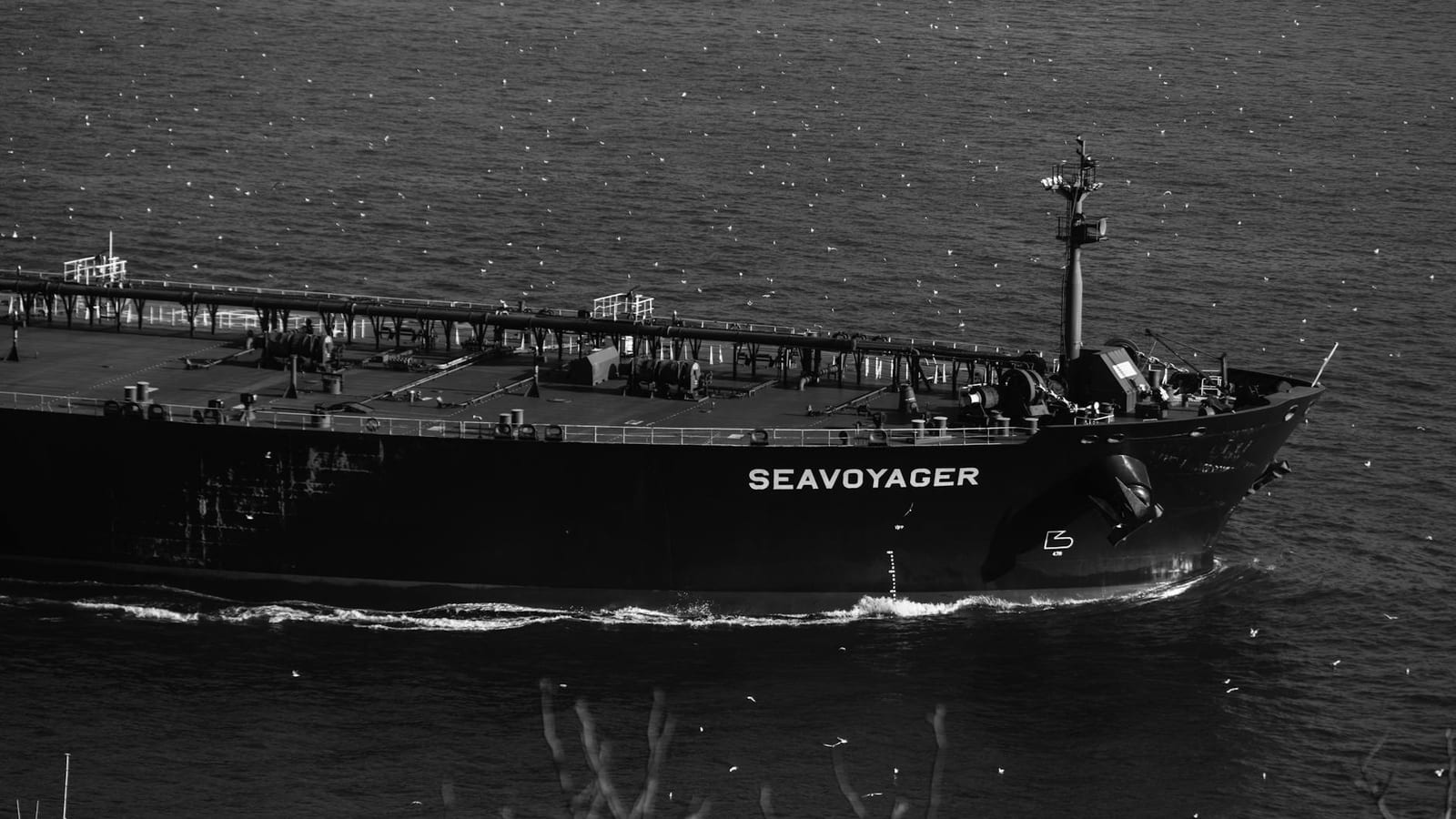
A narrow strip of water near Iran now matters to Indian families planning summer travel.
The Strait of Hormuz is not on most holiday maps. Yet trouble there can touch flight routes, fuel bills, tour budgets, and the mood of anyone heading west from India.
That is why the latest warning from Iran lands far beyond Tehran and Washington. It also reaches Indians booking tickets, travel agents watching fares, and businesses hoping oil prices stay calm.
Tehran sends a hard warning
Iran has warned that it will respond harder if the US restarts military action.
Mohammad Bagher Ghalibaf, Iran’s Parliament Speaker and a senior negotiator, delivered that message during talks in Tehran with Pakistan army chief Asim Munir. Iran’s government said the talks focused on preventing another round of escalation.
Ghalibaf said Tehran would not bargain away what it sees as national rights and sovereignty. He also said Iran’s forces had rebuilt capacity during the ceasefire period.
The warning matters because the ceasefire remains fragile. Joint US-Israeli strikes on Iran on February 28 triggered retaliation. A ceasefire began on April 8, but shipping through the region has still not returned to normal.
For ordinary Indians, this may sound distant. It is not. West Asia sits on the practical map of Indian travel, trade, jobs, and energy.
Trump weighs another strike
In Washington, Donald Trump has kept pressure on Tehran.
At a White House event, Trump said Iran wanted a deal, but repeated that it could not be allowed to obtain a nuclear weapon. His administration has also reviewed fresh military options if talks fail.
US Secretary of State Marco Rubio said Washington had seen some progress. He also said more work remained. Iran’s foreign ministry, meanwhile, said the gaps were still deep.
That is the heart of this standoff. The US says Iran must not get a nuclear weapon. Iran says it will not negotiate while someone holds a gun to its head.
Both sides are speaking to their own audiences too. Trump wants to show strength. Tehran wants to show it will not bend under pressure.
This is why talks can continue late into the night and still go nowhere. Diplomacy often sounds active before it becomes useful.
Pakistan steps into the middle
Pakistan has put itself in an unusually visible role.
Munir arrived in Tehran as part of mediation efforts. Pakistan’s military said the visit aimed to end the conflict and create conditions for lasting peace.
He also met Iranian Foreign Minister Abbas Araghchi. Iran’s government said the discussions covered ways to stop further escalation and support stability across West Asia.
Pakistan Interior Minister Mohsin Naqvi was already in Tehran, meeting senior Iranian officials. Munir also met Iranian President Masoud Pezeshkian, with Araghchi present.
This is Munir’s second visit to Iran in just over a month. That tells you Islamabad sees space for itself here.
Pakistan has working channels with both Tehran and Washington. That is rare in this crisis. It also hosted senior US and Iranian representatives last month for talks described as the first such engagement since 1979.
Those talks did not produce a breakthrough. Still, in diplomacy, keeping the room open sometimes matters almost as much as the first result.
Hormuz is the real pressure point
The Strait of Hormuz is the place everyone watches when tempers rise.
It is a narrow sea corridor between Iran and Oman. Roughly one-fifth of global energy supplies pass through it in normal times.
That single fact explains why India should care. India imports a large share of its crude oil. Any disruption in energy routes can raise costs across the economy.
For travellers, oil is not an abstract commodity. It sits inside airfares, bus tickets, hotel electricity bills, and the price of a taxi from the airport.
Airlines also watch conflict zones closely. When airspace becomes risky, carriers may reroute flights. Longer routes can mean longer flying time and higher fuel use.
Nobody should panic over a ticket today just because leaders are exchanging warnings. But anyone booking westbound travel should keep one eye on advisories, airline updates, and insurance terms.
Families visiting relatives in the Gulf, students flying to Europe, and business travellers heading through Middle Eastern hubs all know this region well. Many Indian journeys pass through Doha, Dubai, Abu Dhabi, Muscat, or Istanbul.
A crisis does not need to shut airports to cause pain. Even uncertainty can make travel more expensive and less predictable.
What Indian travellers should watch
The first thing to watch is official travel advice.
The Ministry of External Affairs usually updates advisories when security risks rise. Travellers should check those alerts before booking or flying through nearby regions.
The second thing is airline communication. If carriers change routes, delay flights, or avoid certain airspace, passengers will hear it there first.
The third thing is travel insurance. Many cheap policies exclude war, conflict, or military action. That small-print clause can matter when a trip gets disrupted.
For tour operators, the concern is different. A sudden spike in fares can break a package deal. A visa appointment, hotel booking, and connecting flight can all depend on one route staying stable.
For Indian workers in the Gulf, the stakes are more personal. Their travel is not always leisure. It can be about jobs, family emergencies, or annual leave saved over many months.
This is where global politics becomes household arithmetic. A few thousand rupees more on a ticket can change travel plans for a family.
Iran and the US may still find a diplomatic exit. Pakistan, Qatar, and other intermediaries clearly want to keep the channel alive. But the risk has not gone away.
For Indian readers, the lesson is simple. A crisis near Hormuz is never just a foreign affairs story. It can land quietly in your fuel bill, your flight booking, and your next family trip abroad.